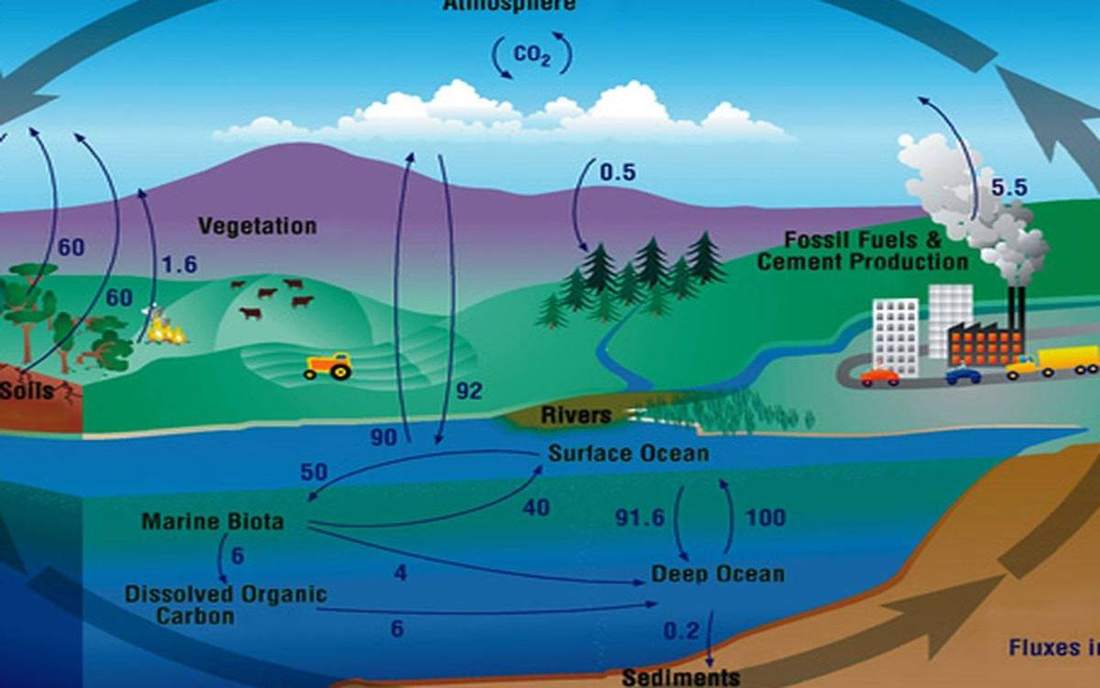
 A living carbon store. This is the classroom sense of carbon-cycle: a named landform, process, or object. Source: Wikimedia Commons / NASA / USGS / NOAA, public domain or CC.Wikimedia Commons / NASA / USGS / NOAA, public domain or CC
Why this matters
A-level water and carbon is one pair of diagrams: stores, fluxes, a budget. Thames-side power and heating are a fossil tap on the slow store; a US Dust Bowl land-use story is carbon in soil and vegetation, still the same boxes. The atmosphere store is the small, fast box that people breathe and plants use; rock and fossil are huge and slow. Opening the tap grows the air box and shrinks the slow box. That is why a school carbon diagram and a NOAA flask record are the same machine at different honesty. Do not preach a policy. Stay on the physical transfer. The ocean talks to the air both ways. Weathering is slow. Photosynthesis and respiration are fast. A UK GCSE class that thinks burning creates new carbon atoms will misread every later climate sentence. The atoms were already in the rock.
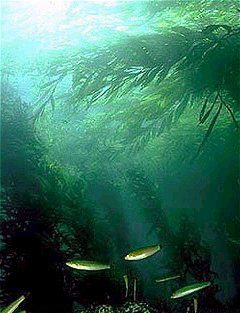 A second photograph for the projector script — not the lab cover.Wikimedia Commons / NASA / USGS
The mechanism
Carbon sits in stores: atmosphere, biosphere, ocean, sediment and rock, fossil fuel. A flux is a transfer between stores. Fast cycle: photosynthesis pulls carbon into the biosphere; respiration and decay send it back; the ocean exchanges with the air both ways. Slow cycle: weathering, burial, rock. Fossil fuel is a slow geologic store. The Fossil-fuel tap in this lab is a human flux from that slow box into the atmosphere — a thick arrow, not a new element. Open the tap: the atmosphere sphere grows; the fossil box shrinks. Burning does not create carbon atoms; it moves them. Weathering is not a daily flux. Do not serve an arrow salad with no named stores. Box sizes here are teaching volumes, not IPCC petagrams — do not invent a number and write it as fact. The water cycle lab is mass conserved in H2O; this lab is mass conserved in C. Pair them. Land-use change is another flux on the same diagram, still a transfer, still not a sermon. Stay on the boxes and the arrows. The thick orange arrow is the tap. Fast arrows stay thin.
How to drive the model
Name stores first, out loud: atmosphere, biosphere, ocean, rock, fossil. Then chase one fast arrow and one slow arrow. Open the Fossil-fuel tap and watch the air box grow as the slow box falls. Hide labels (L) and ask which box is the tap’s source. Scrub the slider back to low so the class sees the reverse. Keyboard: L labels, R reset. The slider lives in the bar. Particles on the thick arrow are the anthropogenic flux, not a new element. Finish in Check.
If the model will not spin
Without the 3D view: five stores — atmosphere, biosphere, ocean, rock, fossil. Fluxes between them. Fast: photosynthesis and respiration. Slow: weathering and burial. The fossil tap moves carbon from a slow geologic store into the air; it does not invent atoms. The ocean exchanges with the atmosphere both ways. Box sizes are teaching, not a litre census. Stay on the physical machine. Land-use change is another flux on the same diagram, still a transfer, still not a sermon. The tap is a transfer.
Film
What is Climate Change? Crash Course Geography #14. Crash Course Geography. About 11 min. Crash Course / Complexly on YouTube. Standard YouTube licence. Educational embed, autoplay off. Autoplay off.
Misconceptions
Burning fuel creates new carbon atoms.
It moves them from a slow store to the air.
The ocean store does not talk to the air.
It exchanges carbon with the atmosphere both ways.
Weathering is a fast daily flux like respiration.
Weathering is slow. Fast and slow are different arrows on the same diagram.
Store
A place carbon sits: atmosphere, biosphere, ocean, rock, fossil.
 store in the carbon-cycle lab — a TERMS crop, not the glossary plate and not the lab cover. A TERMS crop, not the glossary plate and not the lab cover. Source: Wikimedia Commons / NASA / USGS / NOAA, public domain or CC.Wikimedia Commons / NASA / USGS / NOAA, public domain or CC
Flux
A transfer between stores.
 flux in the carbon-cycle lab — a TERMS crop, not the glossary plate and not the lab cover. A TERMS crop, not the glossary plate and not the lab cover. Source: Wikimedia Commons / NASA / USGS / NOAA, public domain or CC.Wikimedia Commons / NASA / USGS / NOAA, public domain or CC
Photosynthesis
Fast flux from atmosphere into the biosphere.
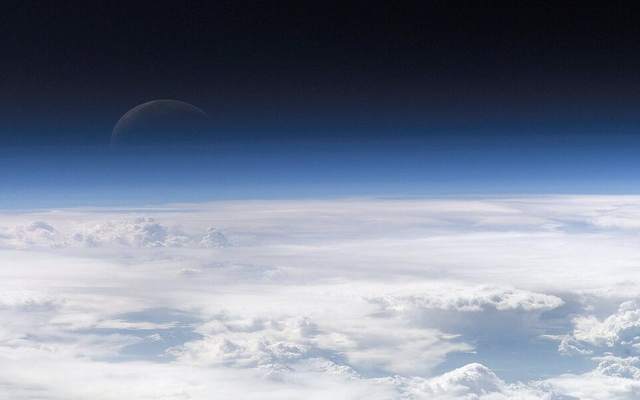 photosynthesis in the carbon-cycle lab — a TERMS crop, not the glossary plate and not the lab cover. A TERMS crop, not the glossary plate and not the lab cover. Source: Wikimedia Commons / NASA / USGS / NOAA, public domain or CC.Wikimedia Commons / NASA / USGS / NOAA, public domain or CC
Respiration
Fast flux from biosphere back to the atmosphere.
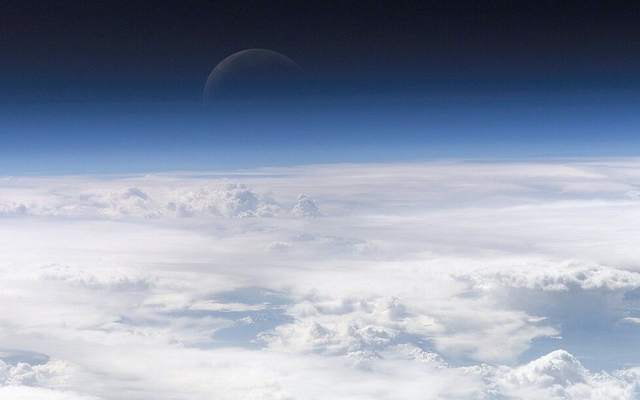 respiration in the carbon-cycle lab — a TERMS crop, not the glossary plate and not the lab cover. A TERMS crop, not the glossary plate and not the lab cover. Source: Wikimedia Commons / NASA / USGS / NOAA, public domain or CC.Wikimedia Commons / NASA / USGS / NOAA, public domain or CC
Weathering
Slow transfer toward rock and ocean stores. Not a daily flux.
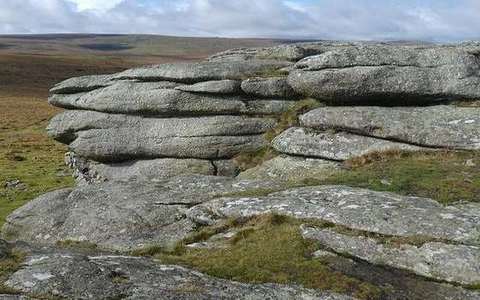 Weathering in the carbon-cycle lab — a TERMS crop, not the glossary plate and not the lab cover. Slow transfer toward rock and ocean stores. Source: Wikimedia Commons / NASA / USGS / public domain.Wikimedia Commons / NASA / USGS / public domain
Fossil fuel
A slow geologic store of carbon. The tap moves it into the fast cycle.
 fossil fuel in the carbon-cycle lab — a TERMS crop, not the glossary plate and not the lab cover. A TERMS crop, not the glossary plate and not the lab cover. Source: Wikimedia Commons / NASA / USGS / NOAA, public domain or CC.Wikimedia Commons / NASA / USGS / NOAA, public domain or CC
Fast cycle
Atmosphere–biosphere–ocean exchanges on human timescales.
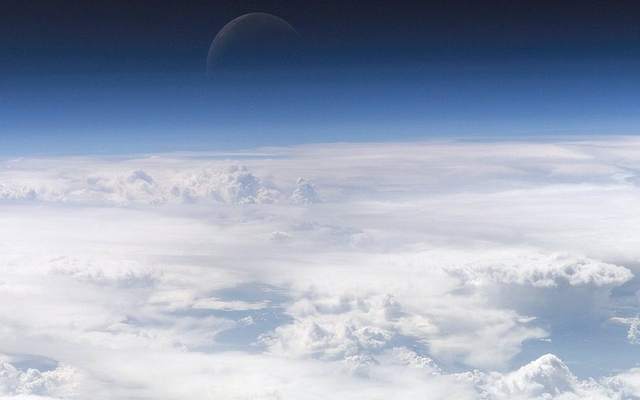 fast cycle in the carbon-cycle lab — a TERMS crop, not the glossary plate and not the lab cover. A TERMS crop, not the glossary plate and not the lab cover. Source: Wikimedia Commons / NASA / USGS / NOAA, public domain or CC.Wikimedia Commons / NASA / USGS / NOAA, public domain or CC
Slow cycle
Rock, burial, weathering. Geologic time unless we tap it.
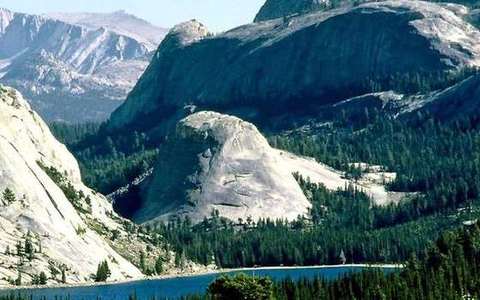 slow cycle in the carbon-cycle lab — a TERMS crop, not the glossary plate and not the lab cover. A TERMS crop, not the glossary plate and not the lab cover. Source: Wikimedia Commons / NASA / USGS / NOAA, public domain or CC.Wikimedia Commons / NASA / USGS / NOAA, public domain or CC