No login. Open a lab, go full screen, talk. 62 labs have a full demo script. Each script names the misconception you will hear from the third row. Same count as Explore. 35 case studies sit beside the labs. Print a note from the article page.
Motion of a tilted sphere
Planet
Rotation, revolution, seasons, and the Moon. The clockwork that makes day, night, and the calendar.
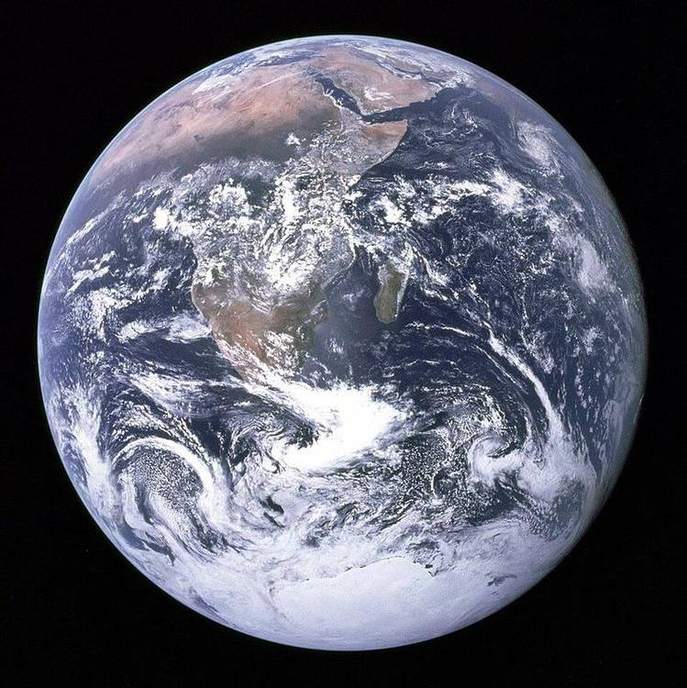
KS3 Earth and atmosphereGCSE backgroundKS3GCSE
In December, London is dark by late afternoon while Sydney is in high summer. The Earth is not closer to the Sun in July.
Third row will say: Summer happens because Earth is closer to the Sun.
Open the full note · Open the lab
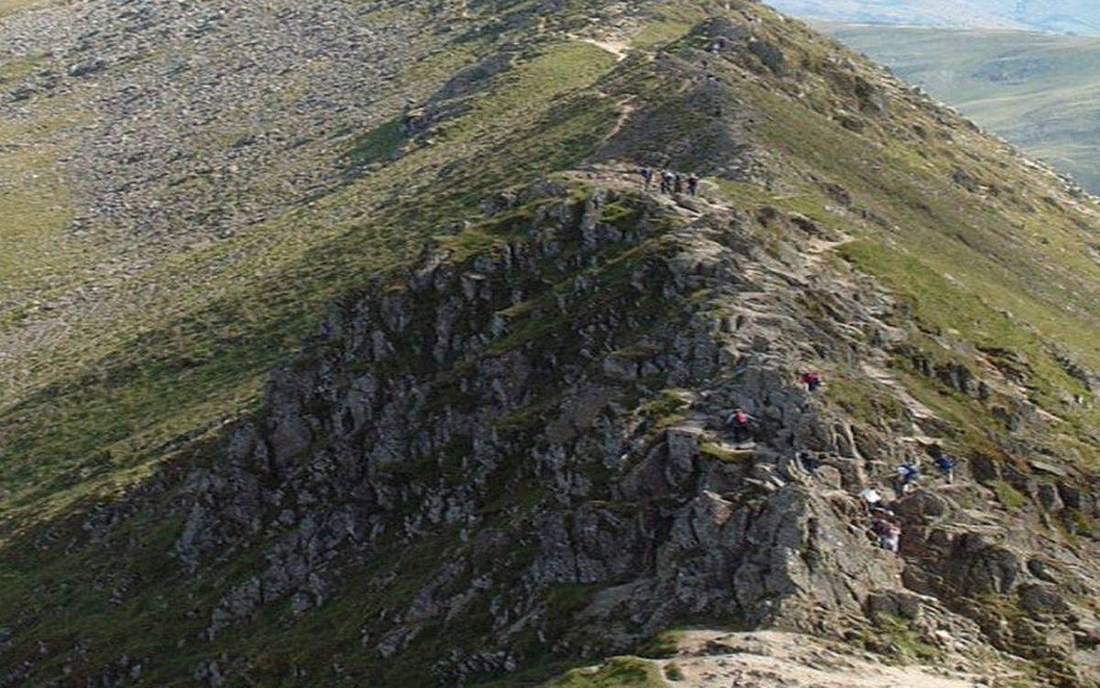
KS3 Earth and atmosphereNGSS MS-ESS1-1KS3GCSE
Frost on a window at 07:00 in Leeds is sunlight already on the school roof in Berlin. The Sun did not jump. The planet turned.
Third row will say: The Sun moves around Earth once a day.
Open the full note · Open the lab
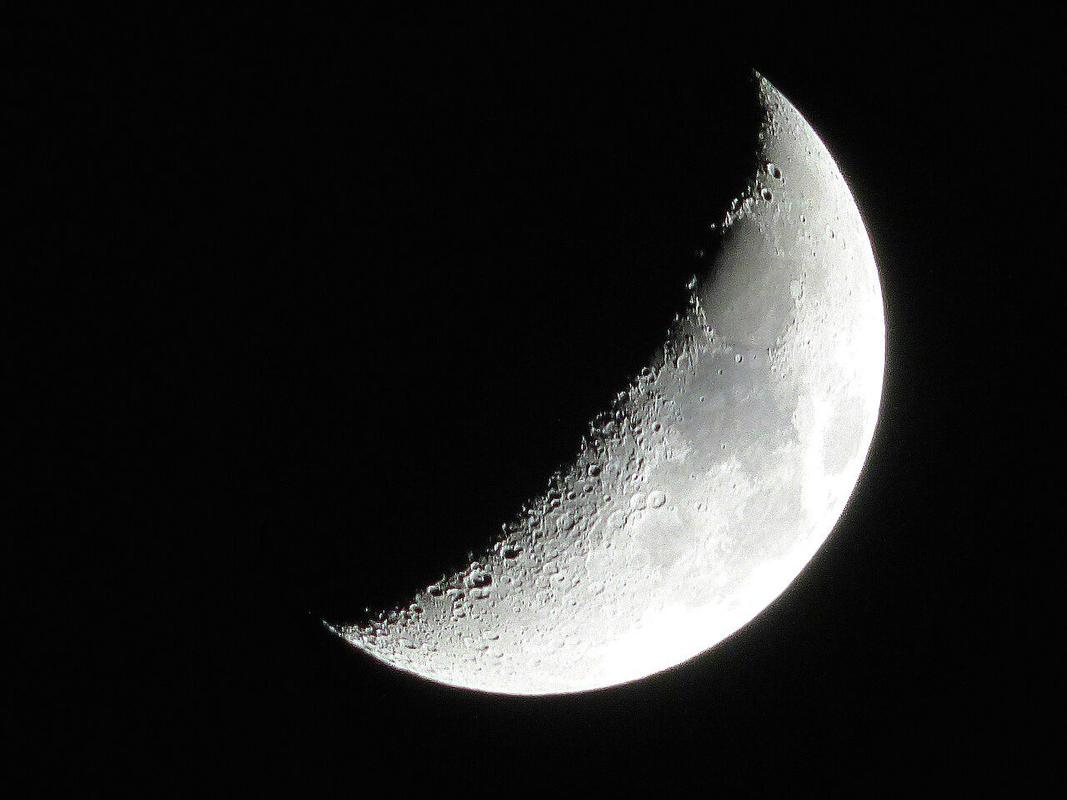
KS3 Earth and atmosphereNGSS MS-ESS1-1KS3GCSE
A full Moon over Yosemite is the same geometry a student sees from Snowdonia: the Moon is opposite the Sun, not a different Moon.
Third row will say: The crescent is Earth’s shadow on the Moon.
Open the full note · Open the lab
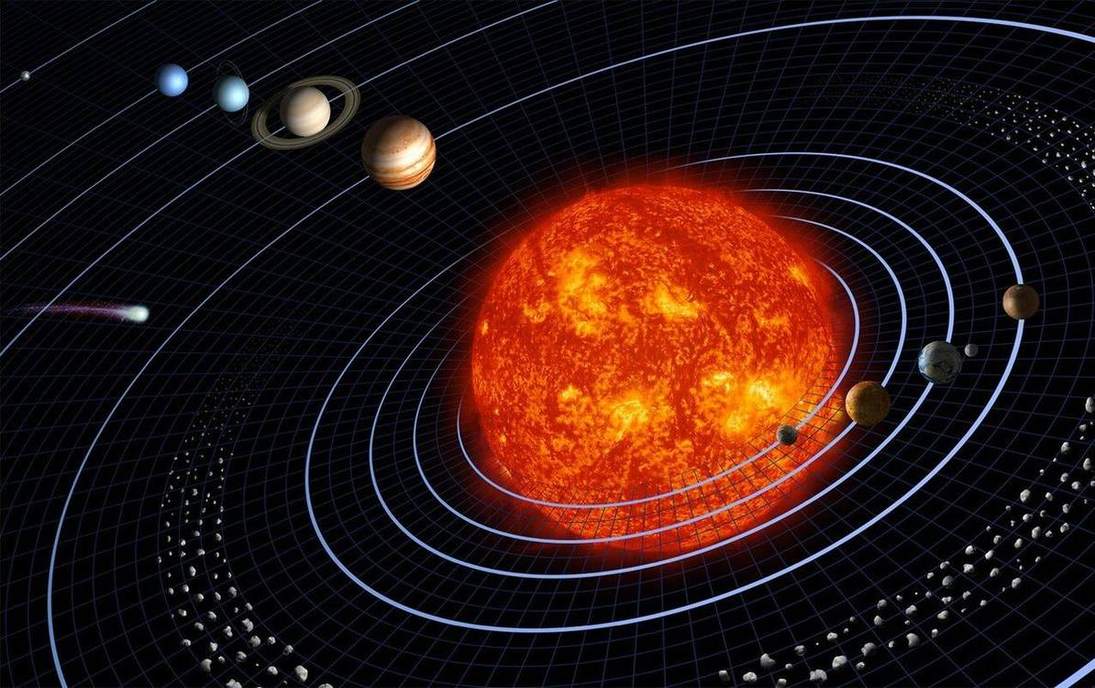
KS3 Earth and atmosphereNGSS MS-ESS1-2KS3NGSS MS
Eight planets, one star. Distances are the lie a classroom model always tells — we exaggerate so you can see them.
Third row will say: The model on the table is to scale.
Open the full note · Open the lab
KS3NGSS MS-ESS1-1KS3GCSE
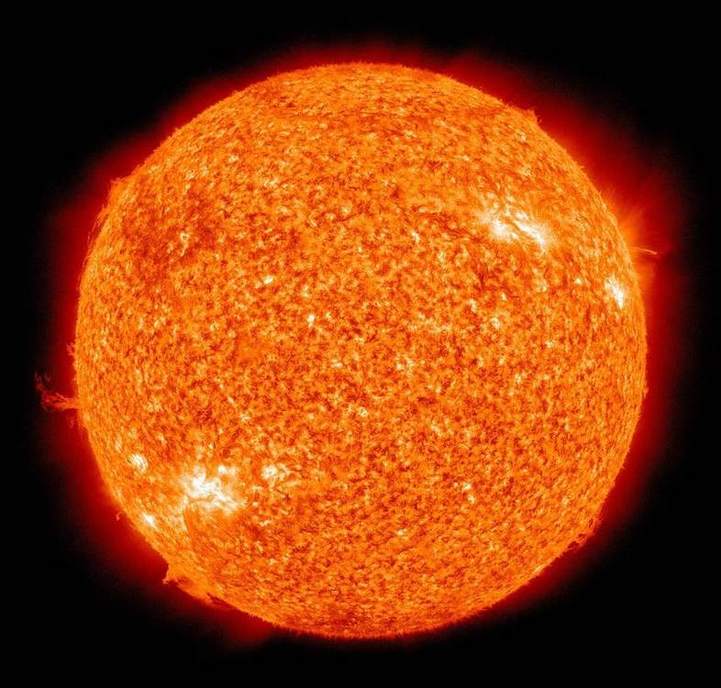
The solar constant is a number. Latitude is why a playground in London and one in Nairobi disagree.
Third row will say: Sunspots cause seasons.
Open the full note · Open the lab
KS3NGSS MS-ESS1-2KS3NGSS MS
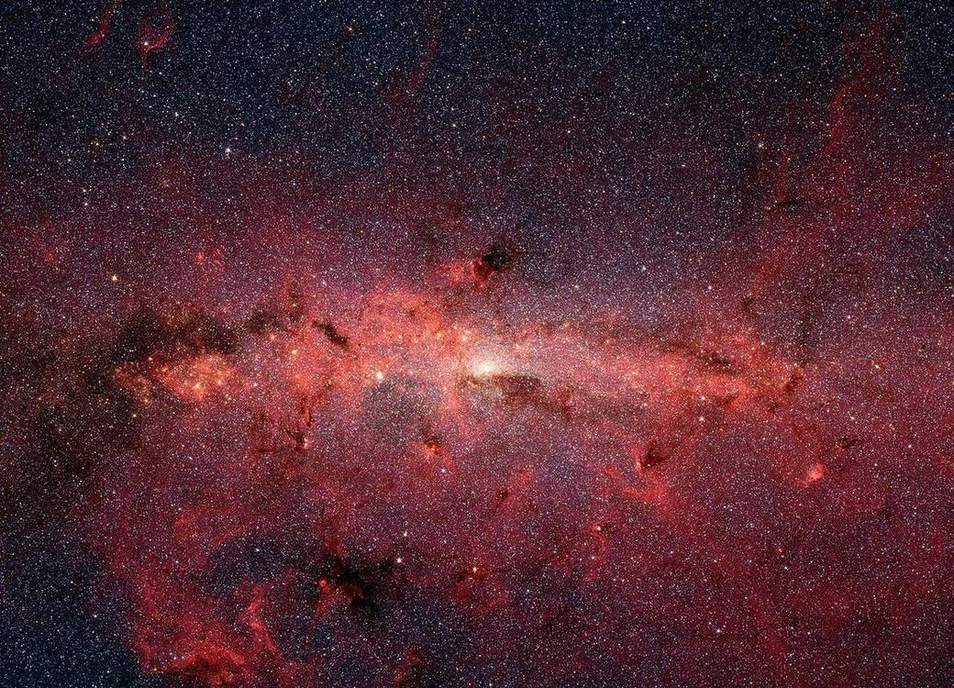
Powers of ten: Earth, then the system, then the local star field. Keep it short. You cannot see a galaxy in one glance honestly.
Third row will say: Space pictures are a single scale.
Open the full note · Open the lab
KS3NGSS HS-ESS1-6KS3GCSE
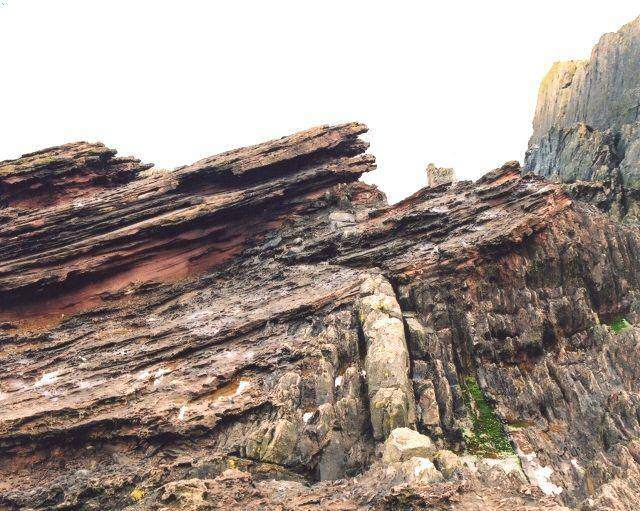
A spiral, not a calendar. Units in Ma. Life and continents are marks, not a cartoon parade.
Third row will say: Dinosaurs and humans overlap on a wall chart of equal boxes.
Open the full note · Open the lab
KS3NGSS MS-ESS1-1KS3GCSE
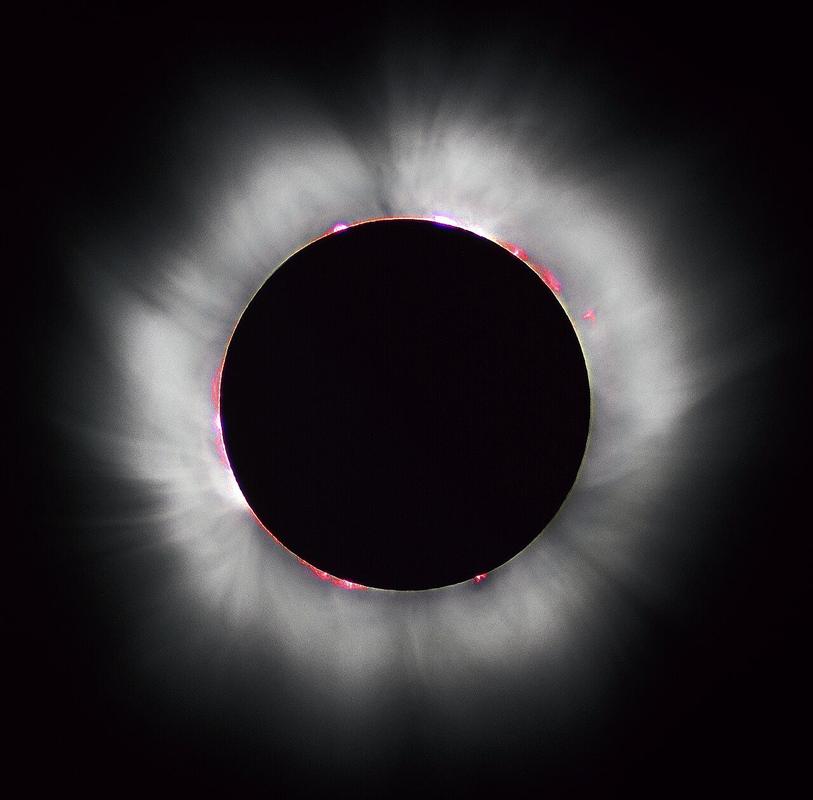
Umbra and penumbra are cones. The Moon’s 5° tilt is why most months miss.
Third row will say: Every full Moon is an eclipse.
Open the full note · Open the lab
KS3GCSE coastsKS3GCSE
Two bulges. Spring and neap are alignment, not emotion.
Third row will say: Spring tides happen in April.
Open the full note · Open the lab
KS3NGSS MS-ESS1-1KS3GCSE
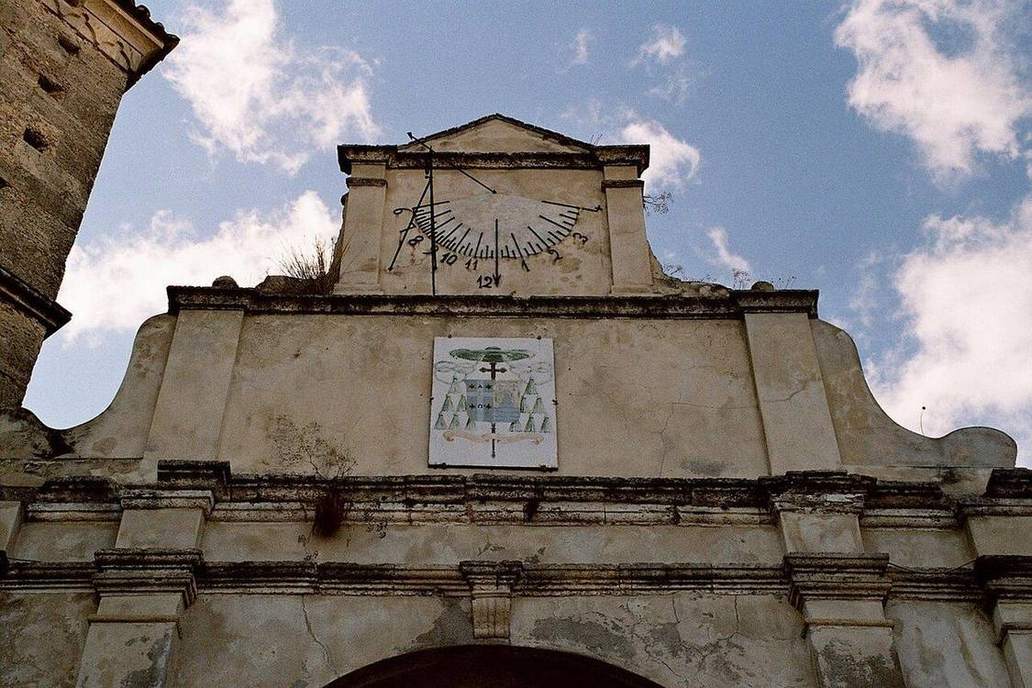
A dome over a marked horizon. Date and latitude write the path. Noon altitude and day length fall out.
Third row will say: The Sun is overhead at noon everywhere.
Open the full note · Open the lab
A layered, restless shell
Interior & Plates
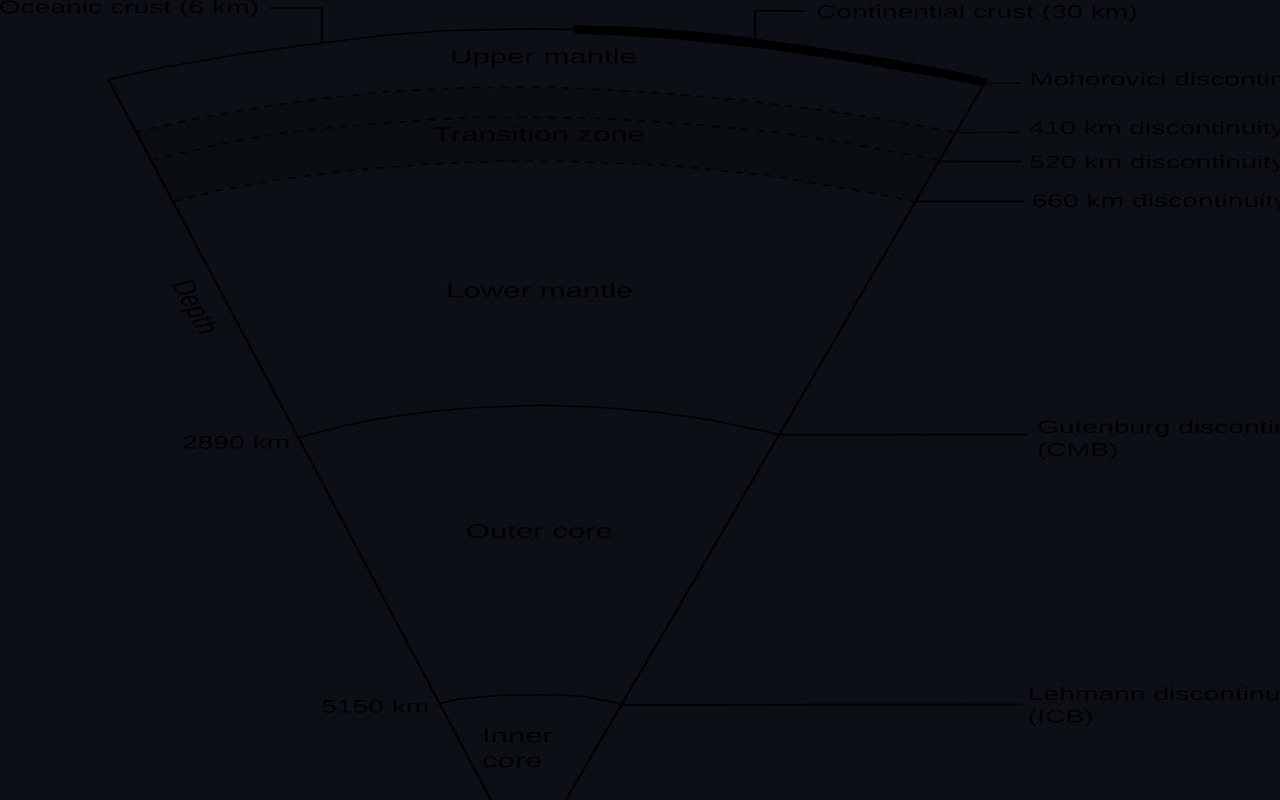
Crust to inner core, then the plates that carry continents. Boundaries write mountains, trenches, and faults.
KS3 Earth and atmosphereGCSE AQA 3.1.1KS3GCSE
A cut apple is a bad model of Earth: the ‘skin’ would be thinner than the apple’s, and the outer core is liquid metal.
Third row will say: The mantle is a sea of molten lava.
Open the full note · Open the lab
GCSE AQA 3.1.1NGSS MS-ESS2-3KS3GCSE
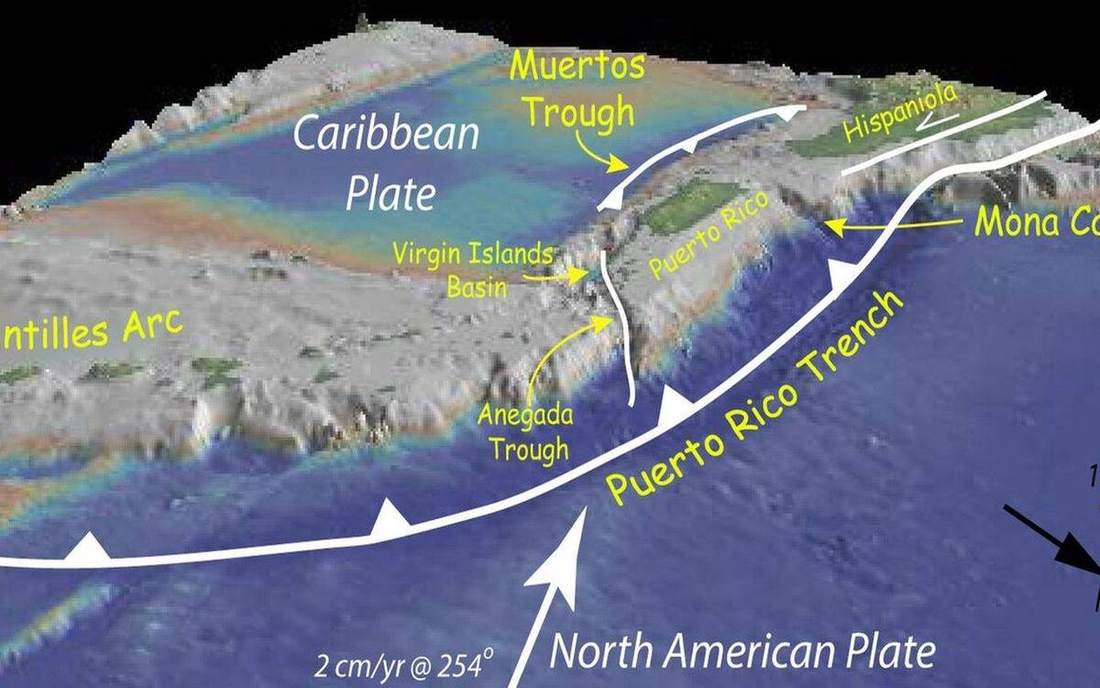
Holderness loses metres of till each year; the Himalaya gain millimetres of rock. Both are plates doing different jobs at their edges.
Third row will say: Continents plough through a static ocean floor.
Open the full note · Open the lab
GCSE AQA 3.1.1NGSS MS-ESS2-3KS3GCSE
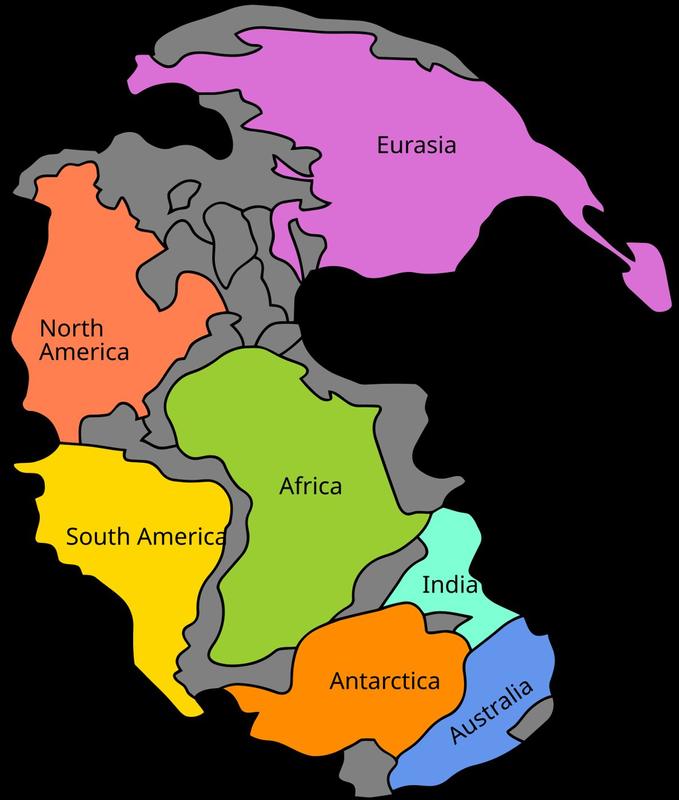
250 Ma the pieces fit. Fossils agree. The ocean is not a static floor continents plough through.
Third row will say: Continents plough through static oceans.
Open the full note · Open the lab
GCSENGSS MS-ESS2-3GCSEA-level
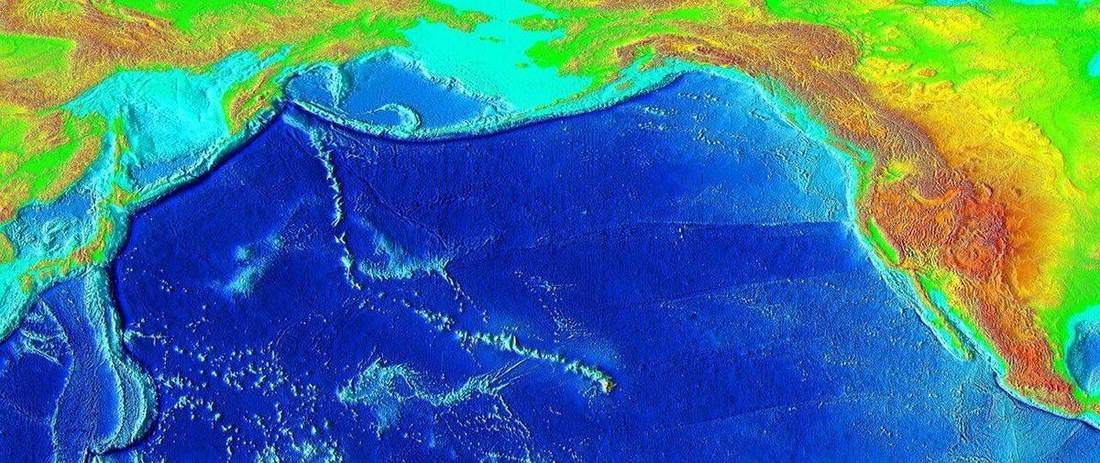
Hawaii and Yellowstone are holes the plate is sliding over — not the same as a plate edge.
Third row will say: All volcanoes are plate-boundary volcanoes.
Open the full note · Open the lab
GCSE AQA 3.1.1NGSS MS-ESS2-3GCSEA-level
Magnetic stripes are a tape recorder. New crust at the ridge, older away.
Third row will say: Ocean floor is all the same age.
Open the full note · Open the lab
GCSE AQA 3.1.1NGSS MS-ESS2-2GCSEA-level
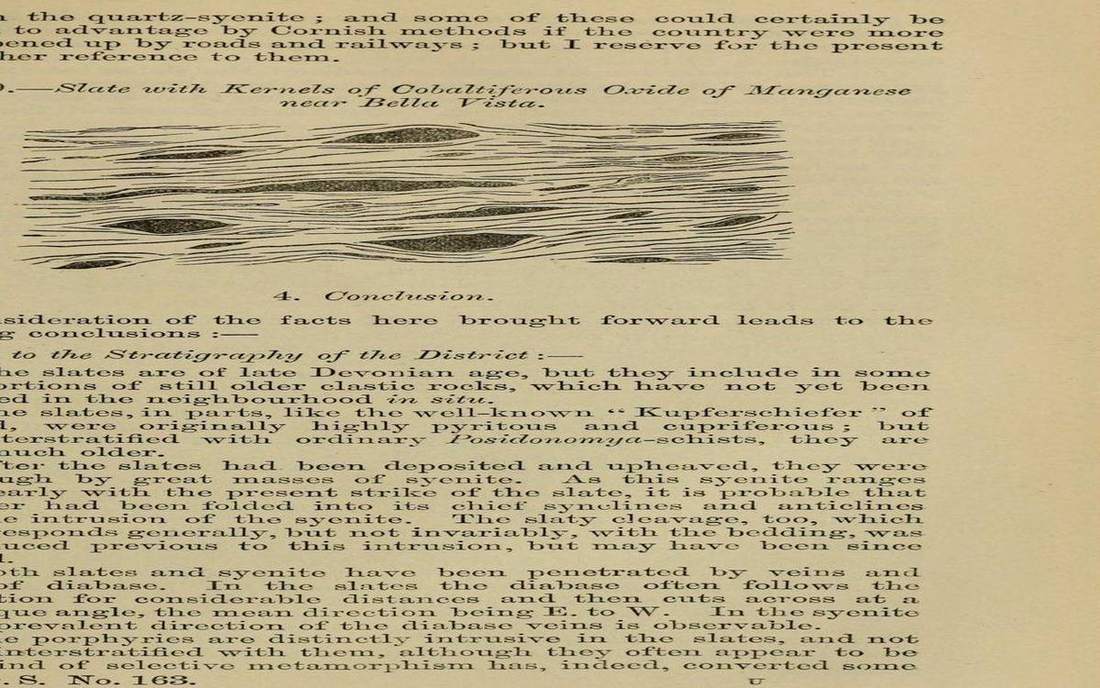
Rocks bend or they break. Anticline, syncline, then the three fault slips.
Third row will say: Folds only happen in soft clay.
Open the full note · Open the lab
A-level plate tectonics backgroundNGSS HS-ESS2-1A-levelHS Earth Sci
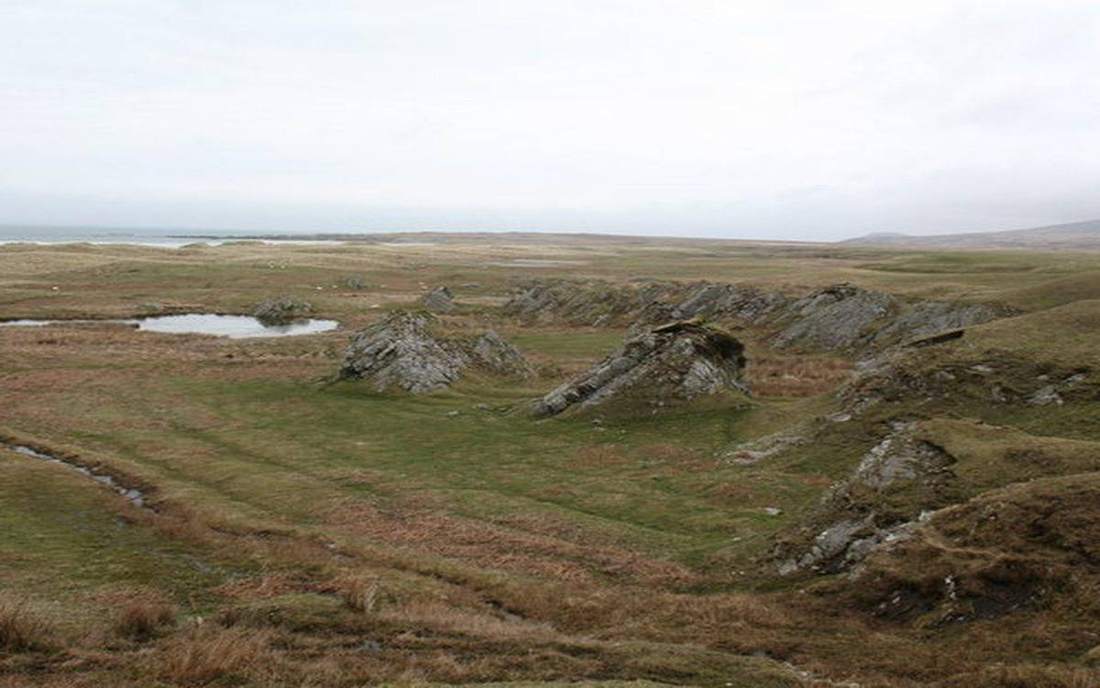
Scotland is still rising after the ice. Hudson Bay is still rising too. The crust floats. Load it, it sinks. Unload it, it comes back.
Third row will say: The ground under our feet is a rigid floor that never moves up or down.
Open the full note · Open the lab
A-level plate tectonicsNGSS HS-ESS2-1A-levelHS Earth Sci
The Atlantic is opening. One day it will close. The Caledonides and the Appalachians are an older ocean that already did.
Third row will say: Pangaea was the only time continents gathered, and the Atlantic will stay.
Open the full note · Open the lab
Air as a heat engine
Atmosphere
Layers, insolation, wind, cells, fronts, and storms. The film of air that writes weather.
KS3GCSE weatherKS3GCSE
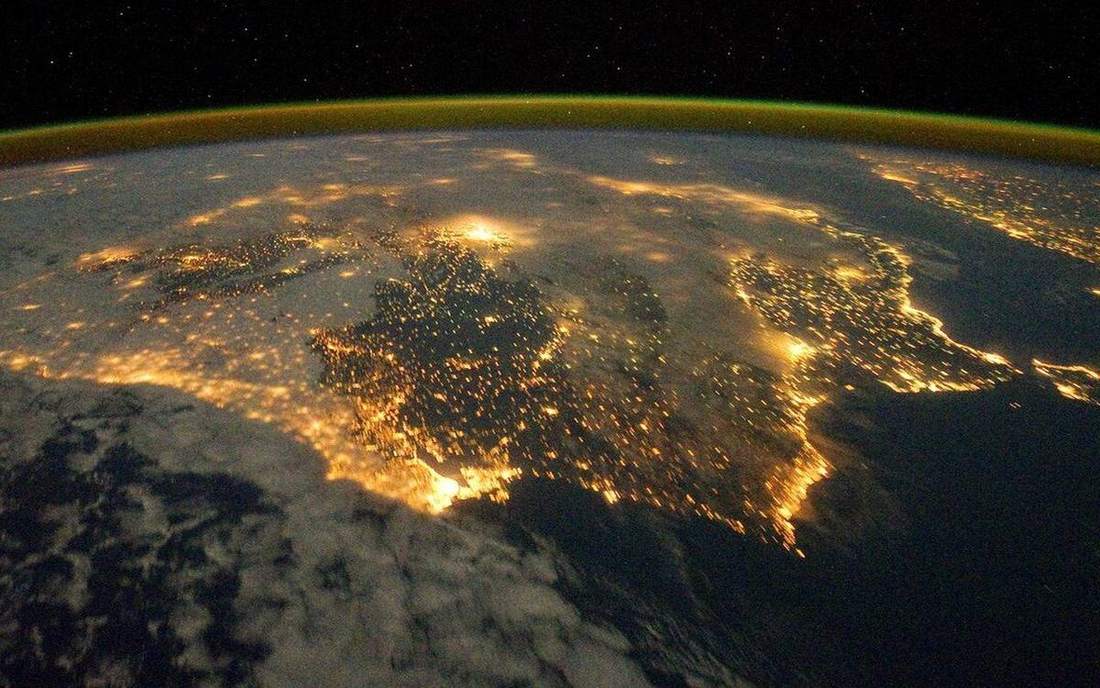
Weather lives in a thin film. The rest of the stack is overhead, not climate.
Third row will say: Space begins just above the clouds.
Open the full note · Open the lab
KS3GCSE climateKS3GCSE
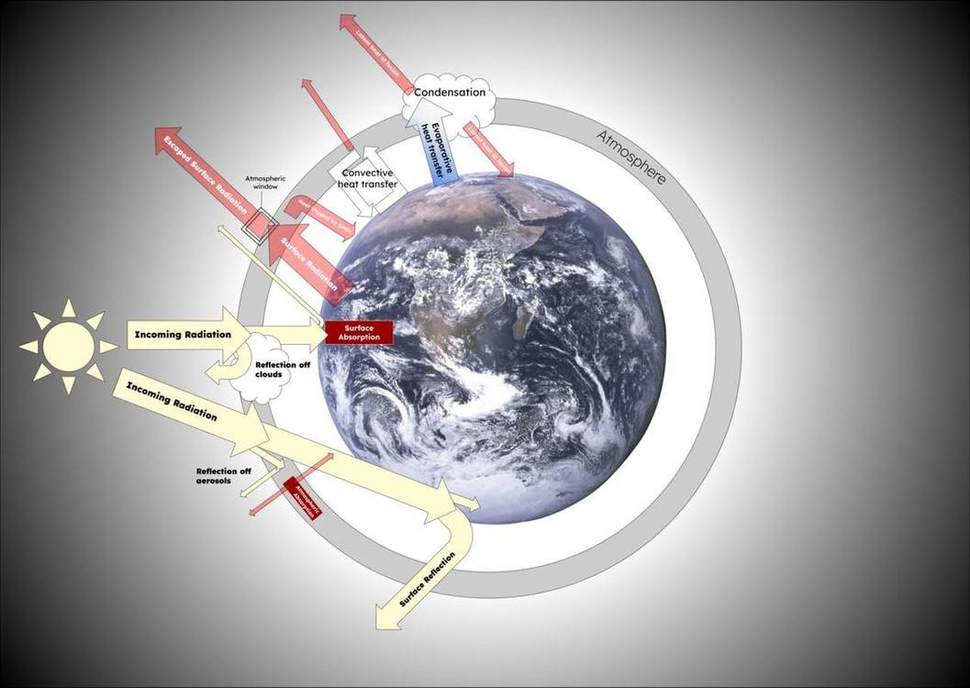
The ground, not the air, takes the Sun’s punch first.
Third row will say: The air takes the Sun’s heat, then warms the ground.
Open the full note · Open the lab
KS3GCSE weatherKS3GCSE
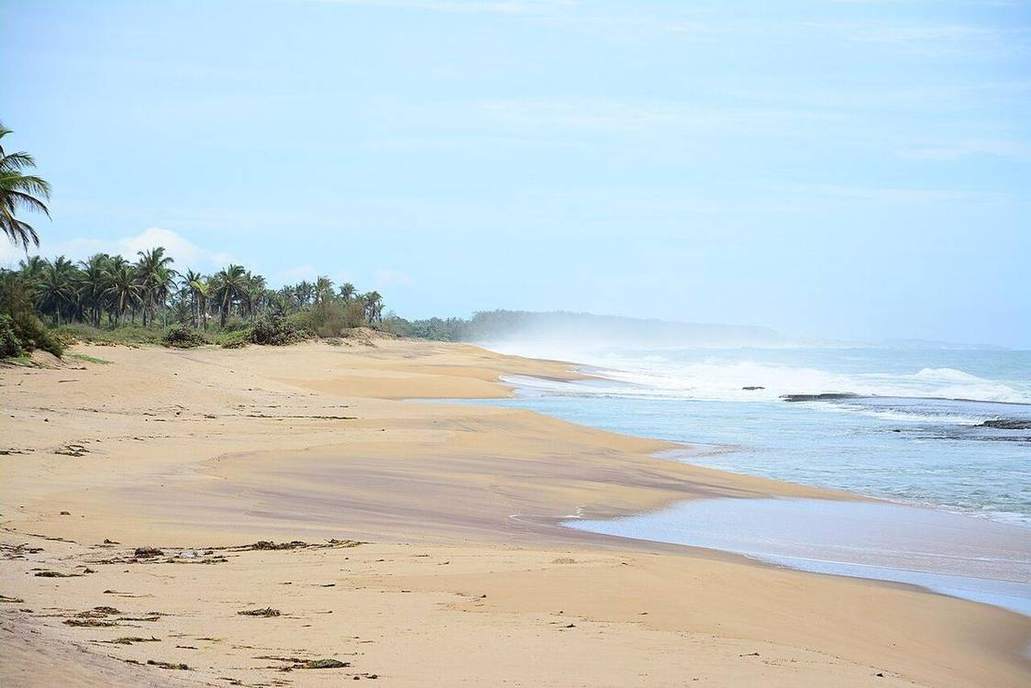
A coastal school feels the sea breeze at last period for a reason.
Third row will say: Wind starts because the sea is always cold.
Open the full note · Open the lab
GCSE weatherA-level atmosphereGCSEA-level
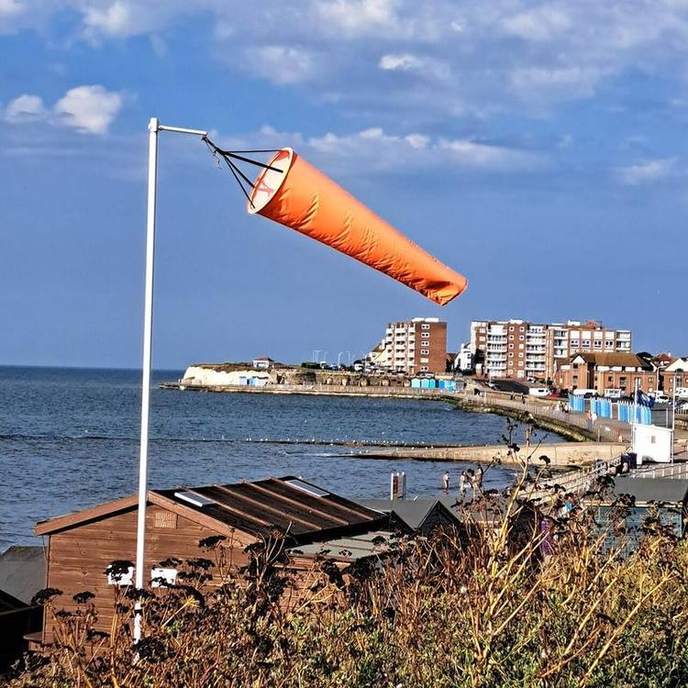
Air starts downhill on the pressure slope. Earth then twists the path.
Third row will say: Coriolis makes water swirl in a sink.
Open the full note · Open the lab
GCSE weatherA-levelGCSEA-level
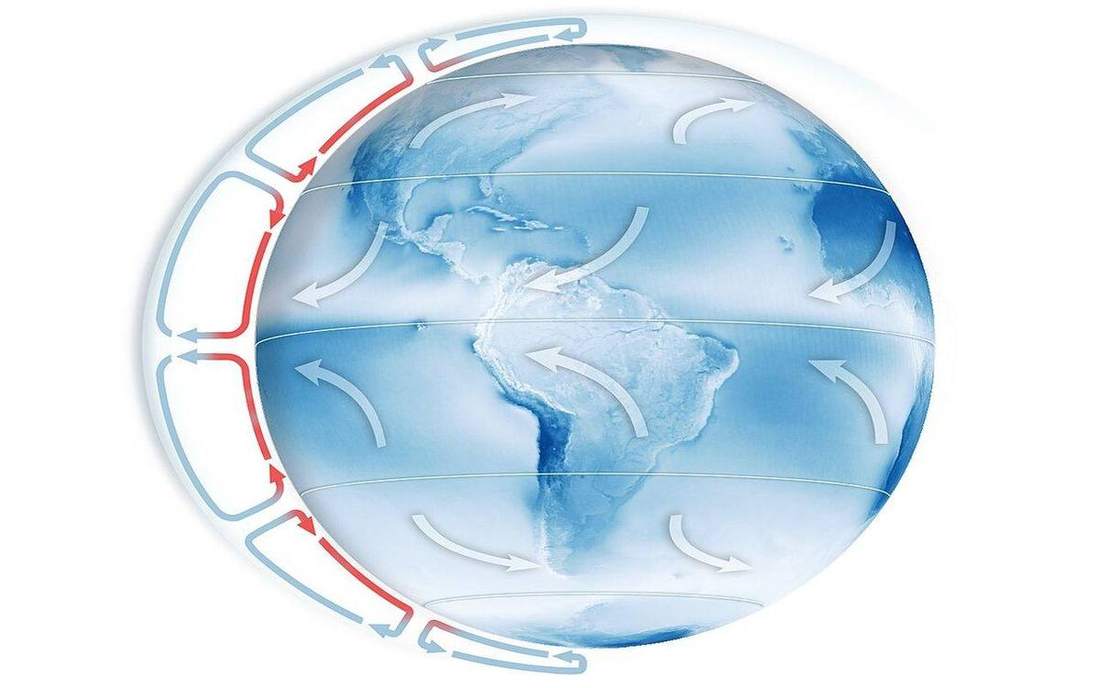
One cell would be the textbook. Three cells are the planet we have.
Third row will say: The equator is always the wettest place, fixed.
Open the full note · Open the lab
KS3GCSE weatherKS3GCSE
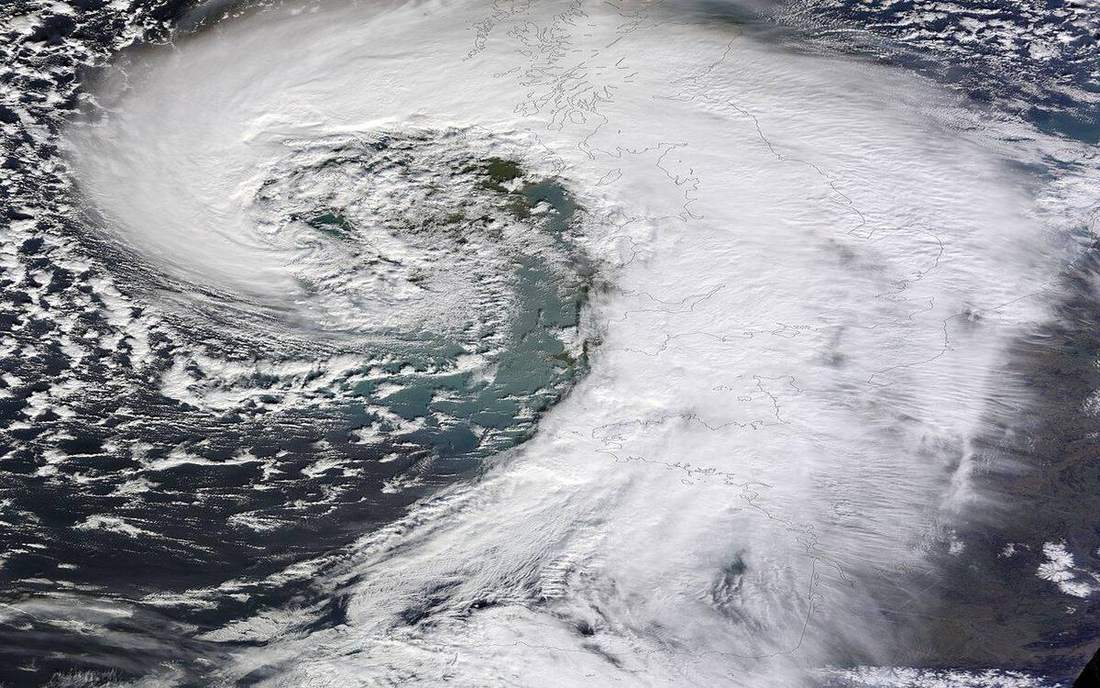
A midlatitude cyclone is a spinning comma of fronts, not a hurricane.
Third row will say: Cyclone means hurricane.
Open the full note · Open the lab
GCSE climateNGSS MS-ESS2-6KS3GCSE
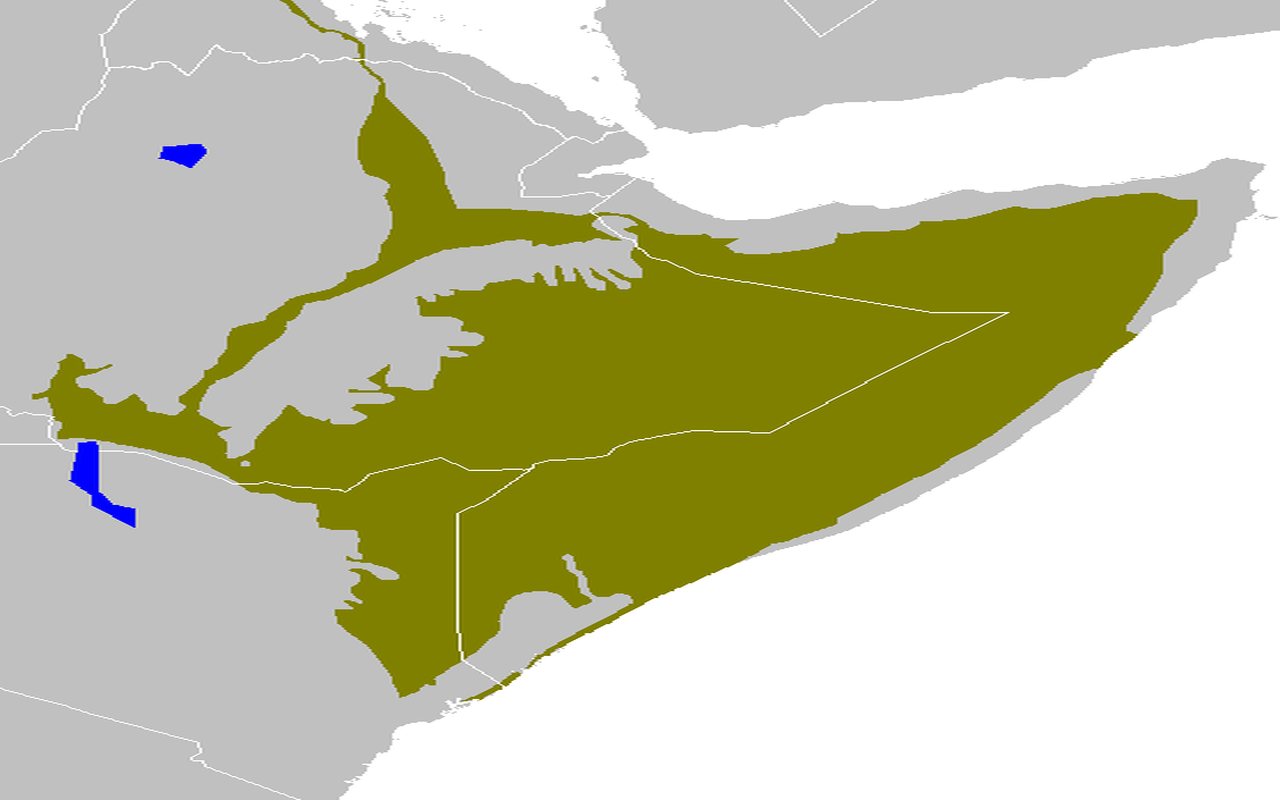
Köppen is a map of plants pretending to be a map of weather. The tiles are biomes with a temperature–rain story.
Third row will say: Climate is the weather this week.
Open the full note · Open the lab
GCSE AQA 3.1.2NGSS MS-ESS2-4KS3GCSE
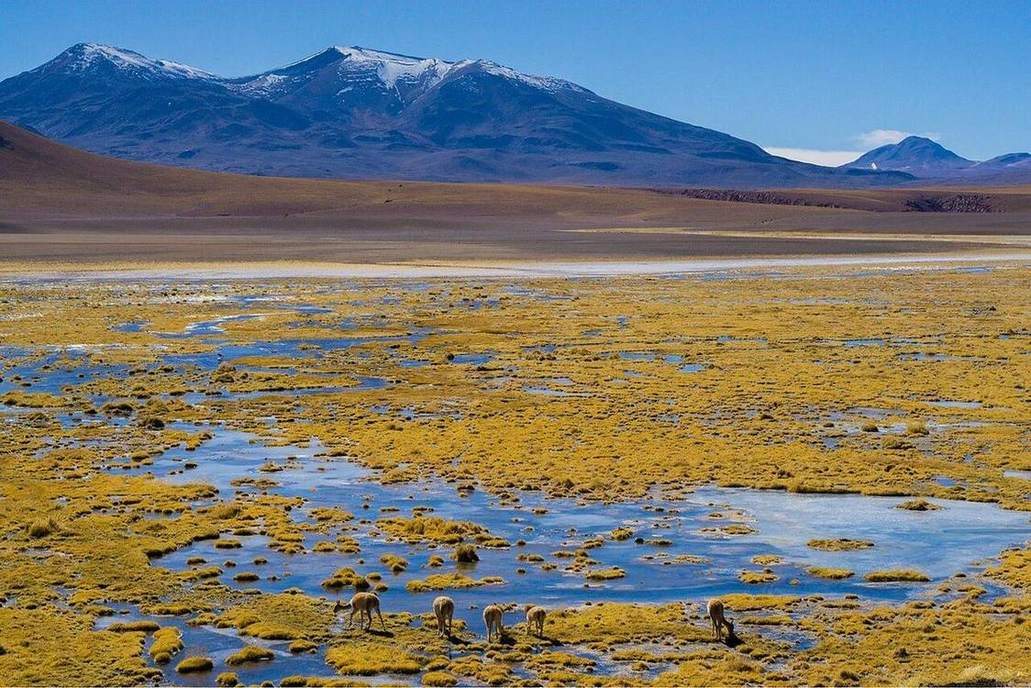
The Lake District is wet on the west. Penrith, just over the ridge, is drier. The mountain is a barrier, not a cloud factory.
Third row will say: Mountains make rain.
Open the full note · Open the lab
Stores, flows, and time
Water & Carbon
The water cycle as a closed budget. Reservoirs, transfers, and a basin you can drain.
KS3GCSE water cycleKS3GCSE
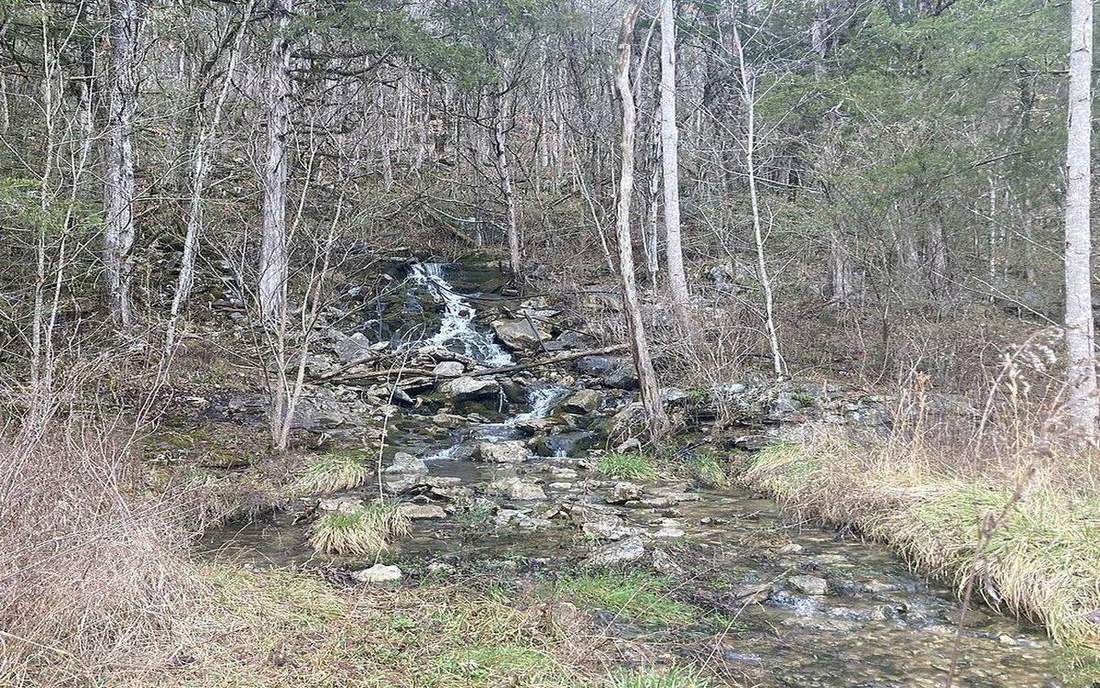
A blackout after a blizzard is weather. The reason there is snow to melt into the reservoir is a closed budget of stores and transfers.
Third row will say: Water is used up.
Open the full note · Open the lab
KS3GCSE riversKS3GCSE
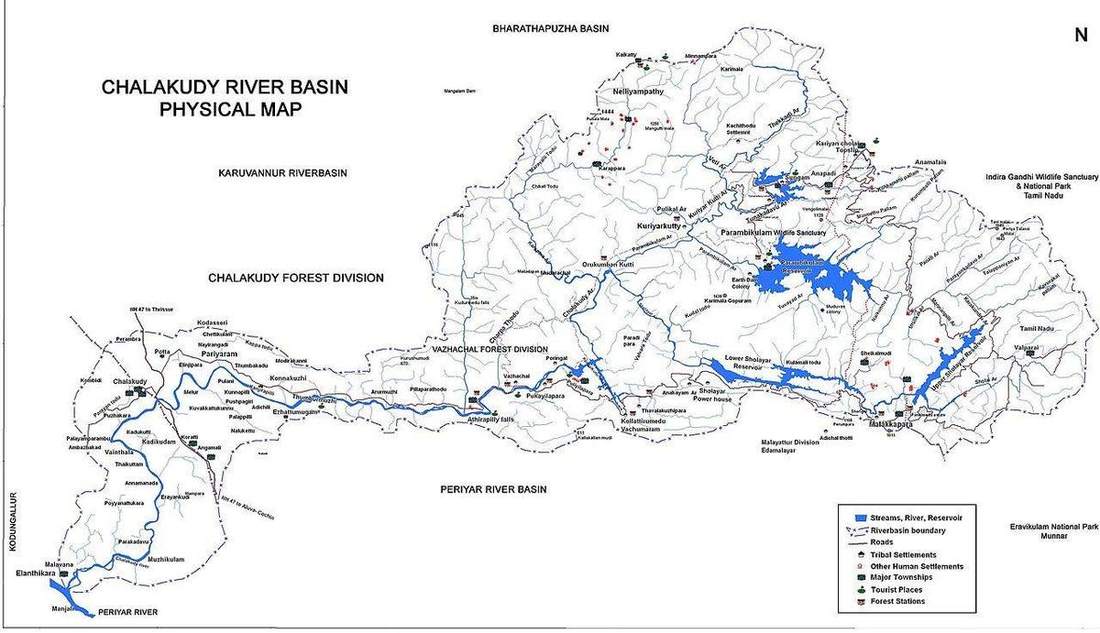
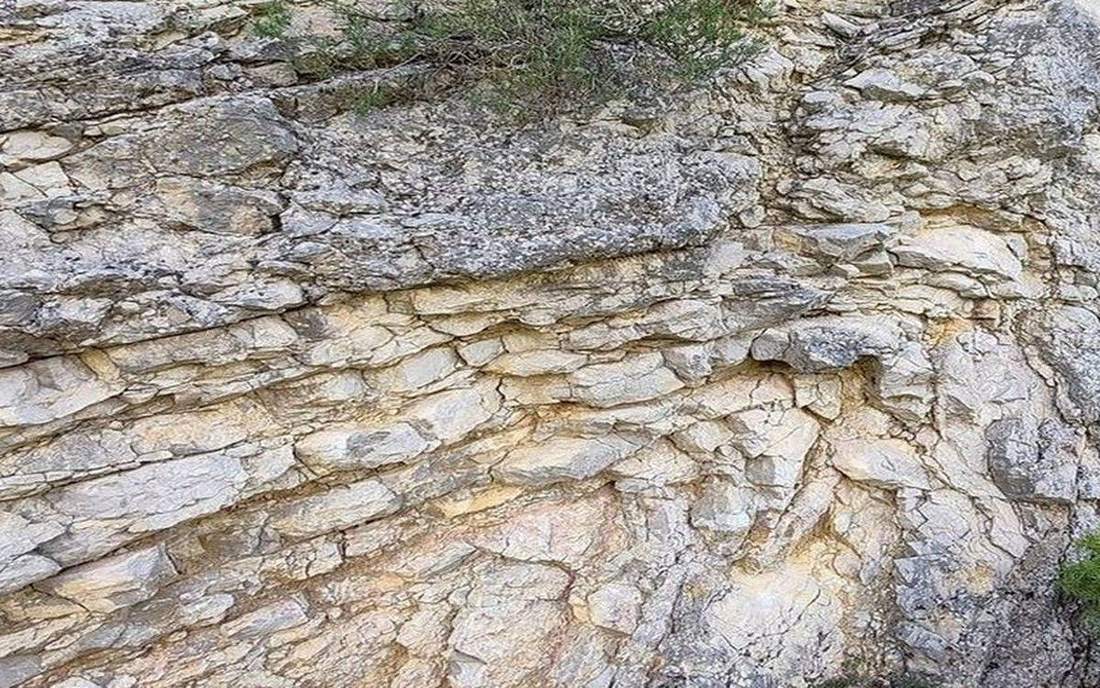
Click the divide. Source, tributary, confluence, mouth — one budget with a rim.
Third row will say: The basin is just the channel.
Open the full note · Open the lab
GCSEA-level hydrologyGCSEA-level
Rain is the input. The river’s reply has a rising limb, a peak, a lag, a falling limb.
Third row will say: The river peaks when the rain peaks.
Open the full note · Open the lab
A-levelGCSEA-levelGCSE
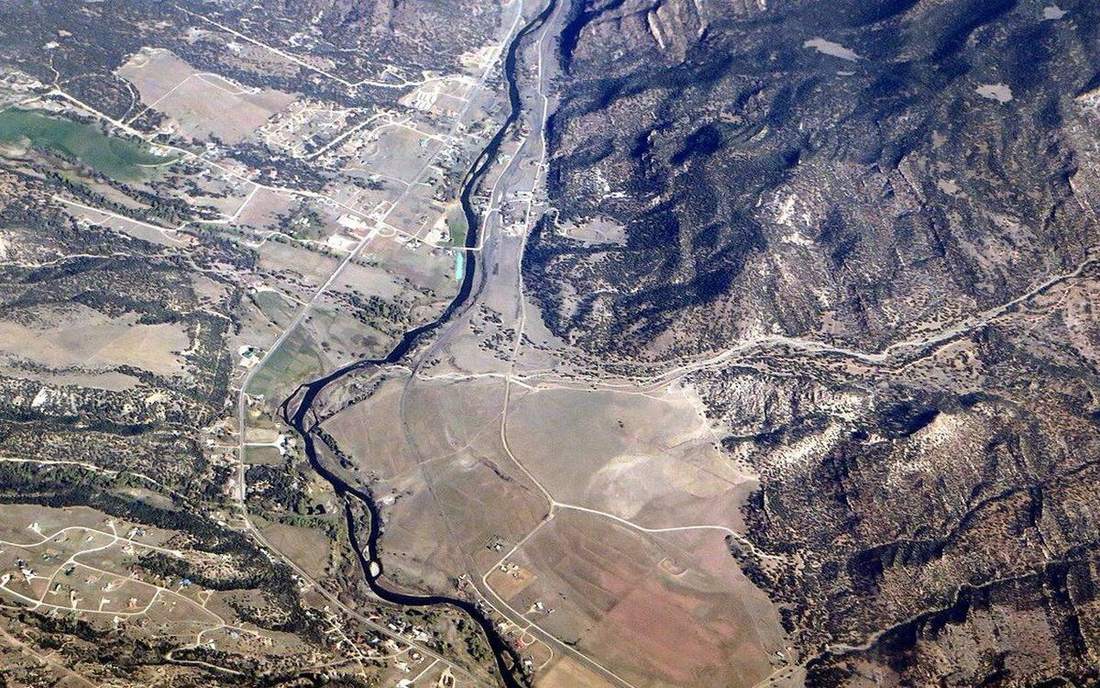
A UK upland nival/pluvial mix vs the Mississippi: the same year, different graphs.
Third row will say: All rivers peak in summer.
Open the full note · Open the lab
GCSEA-levelGCSEA-level
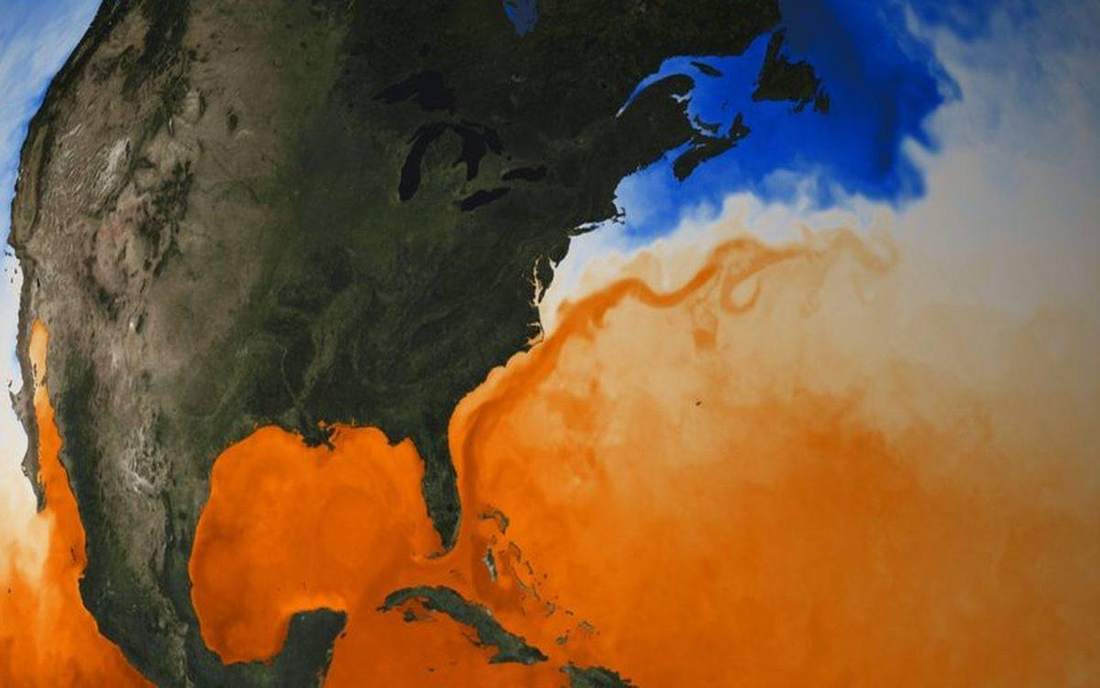
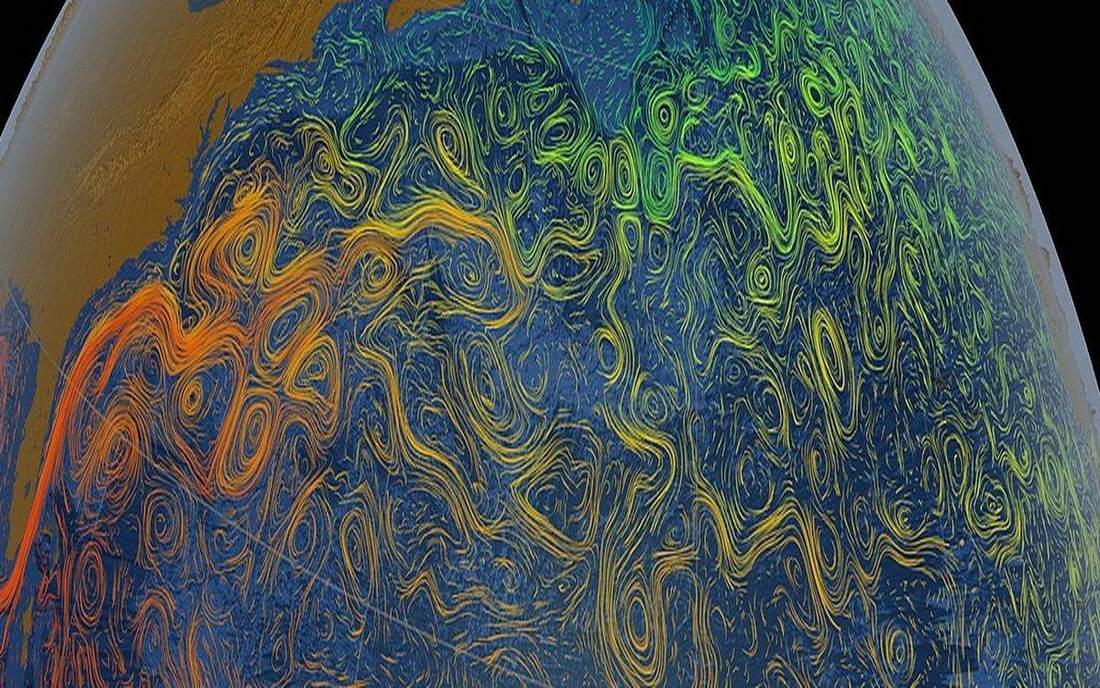
Gyres are the loops. The Gulf Stream is a warm ribbon the UK notices in the air, not as a miracle heater of every garden.
Third row will say: The Gulf Stream is why Britain has weather at all.
Open the full note · Open the lab
A-levelAPESA-levelAPES
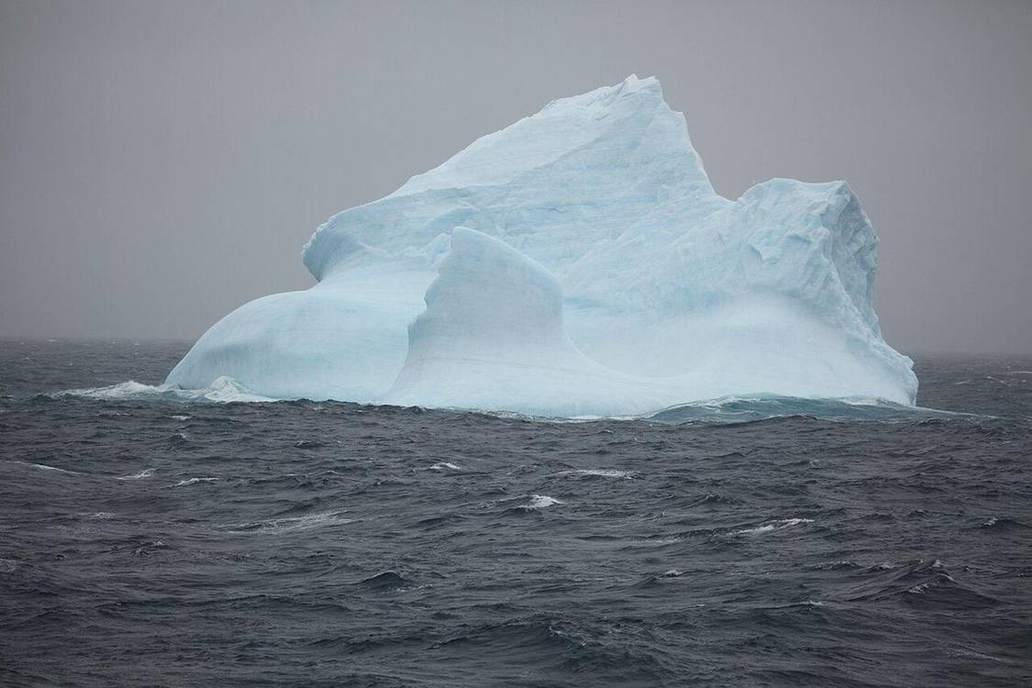
Density is colour. Cold salty water sinks. The conveyor is slow and global.
Third row will say: It will switch off next Tuesday.
Open the full note · Open the lab
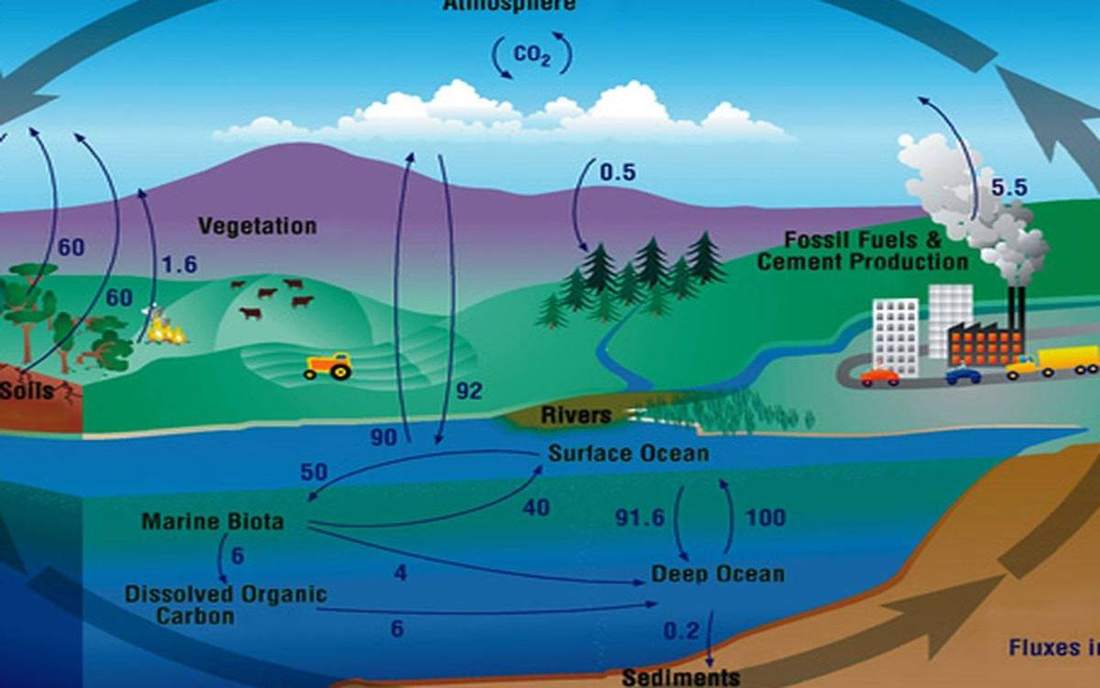
GCSEA-level carbonGCSEA-level
Fast stores and slow stores. The fossil-fuel tap is a human transfer from slow to fast.
Third row will say: Burning fuel creates new carbon atoms.
Open the full note · Open the lab
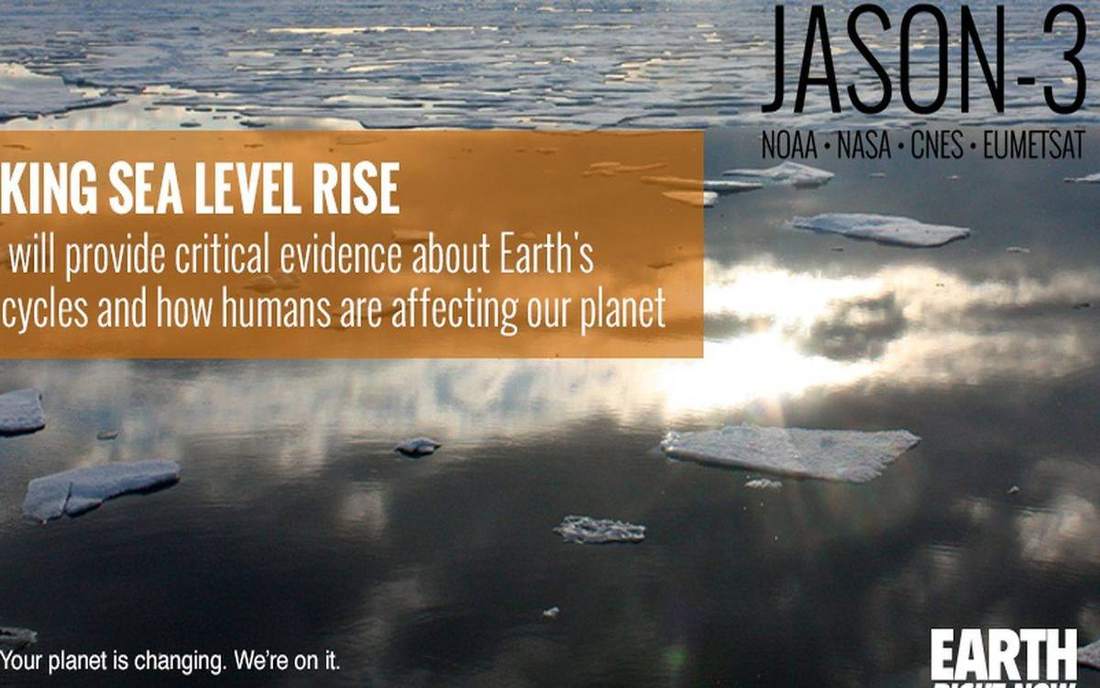
A-levelAPES 4.9A-levelAPES
The Walker cell can flip. El Niño is a warm pool shift, not a personality. UK weather language stays honest.
Third row will say: El Niño is a storm that hits London.
Open the full note · Open the lab
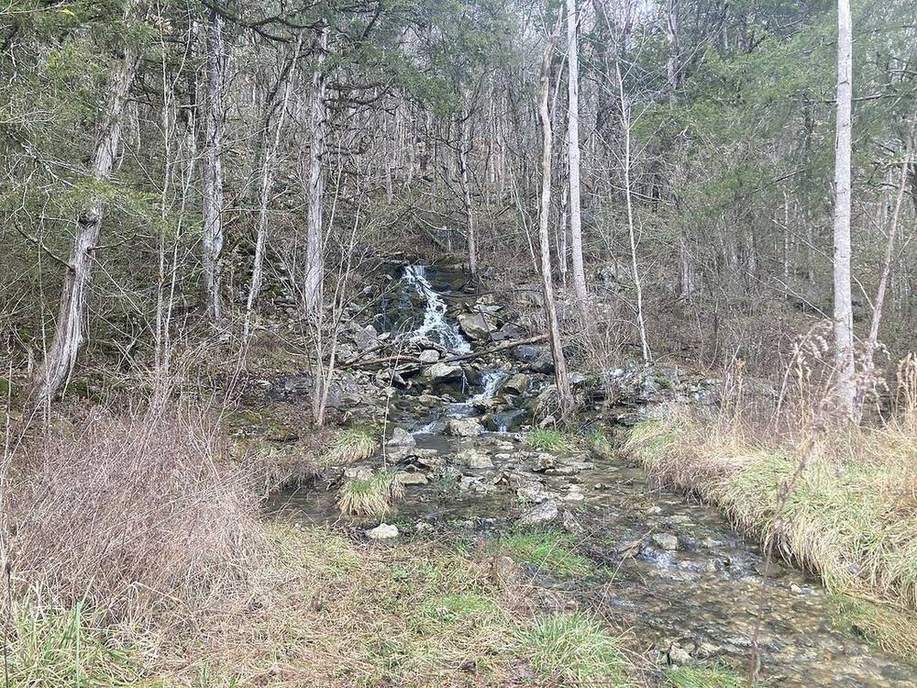
GCSEA-level water cycleGCSEA-level
A Chalk well in Yorkshire and an Ogallala centre-pivot in Kansas both drink a store you cannot see. The water table is a surface, not a underground lake.
Third row will say: Groundwater is an underground river or lake.
Open the full note · Open the lab
The skin of the land
Soils & Rocks
Rock cycle, soil profile, texture triangle, weathering, and erosion. The skin of the land, in 3D.
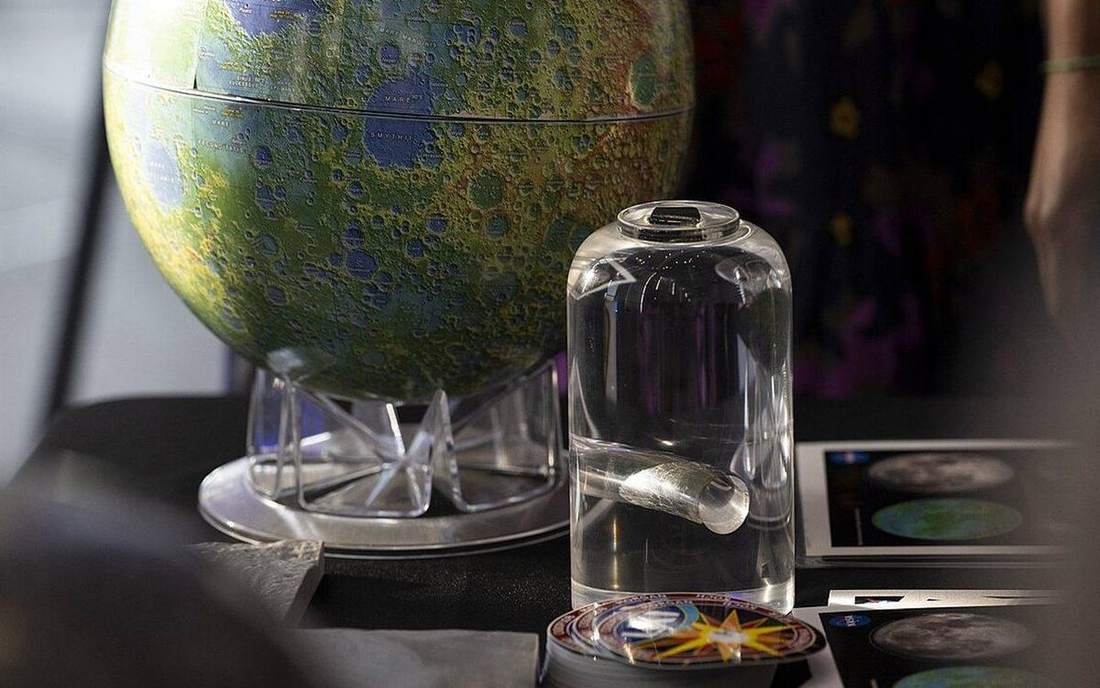
KS3GCSE rocksKS3GCSE
Igneous, sedimentary, metamorphic. Arrows, not a one-way ladder. Temperature and pressure bias the path.
Third row will say: Sedimentary is ‘young’ always.
Open the full note · Open the lab
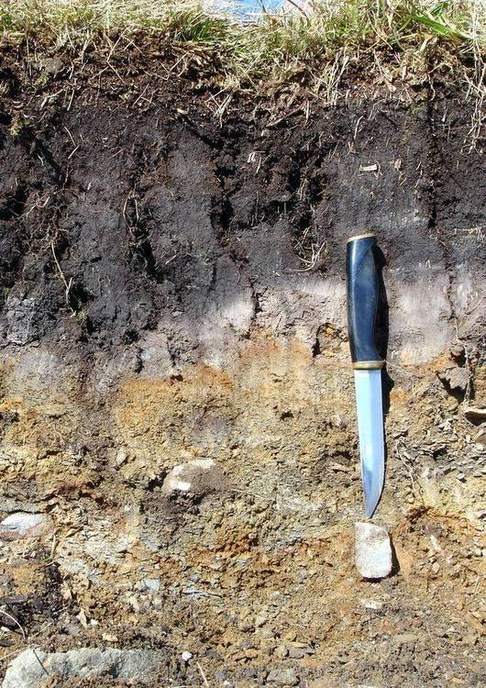
GCSEAPES 4.3GCSEA-level
O A E B C R — a stack, not dirt. Compare brown earth, mollisol, oxisol.
Third row will say: Soil is just dirt of one kind.
Open the full note · Open the lab
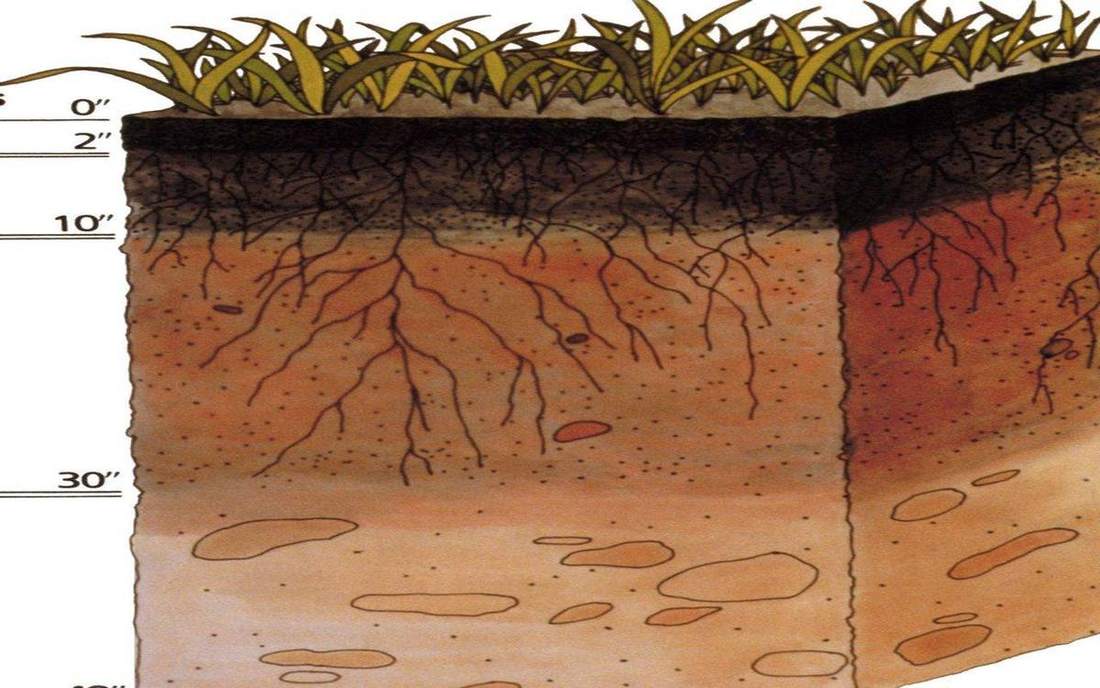
GCSEAPES 4.3GCSEA-level
Sand, silt, clay. Plot a sample. Name the class. Loam is a place on the triangle, not a brand.
Third row will say: Clay means pottery only.
Open the full note · Open the lab
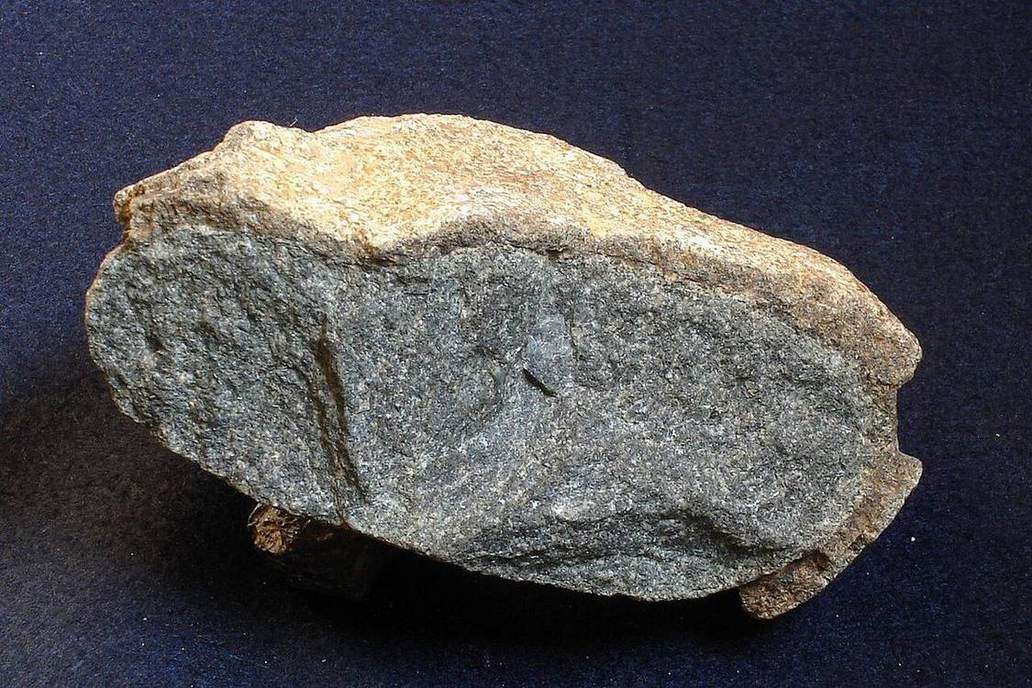
KS3GCSEKS3GCSE
Mechanical, chemical, biological — three blocks, side by side, not a ranking of virtue.
Third row will say: Weathering is weather.
Open the full note · Open the lab
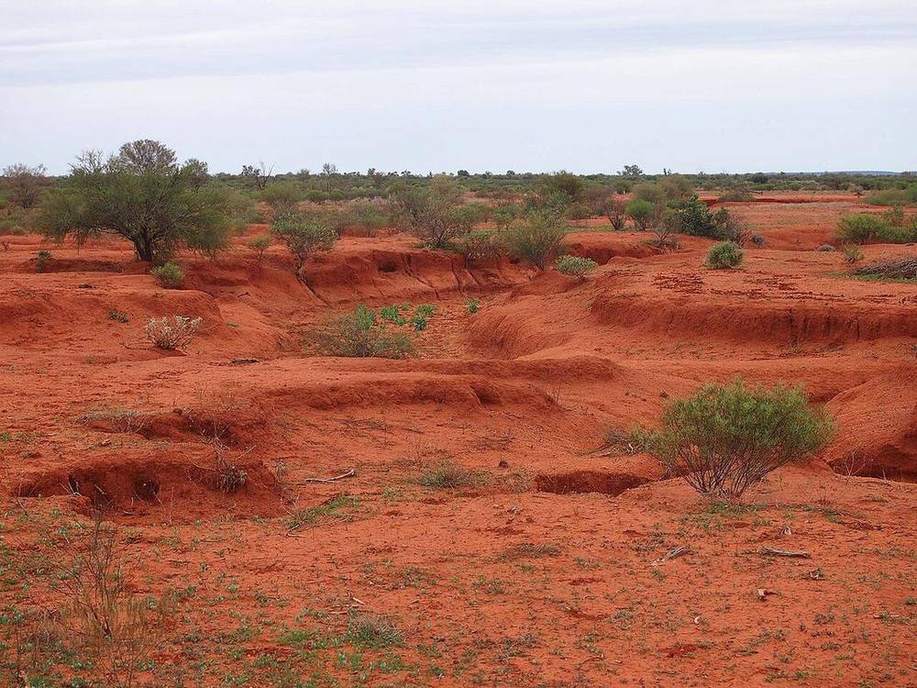
GCSEAPES 4.3KS3GCSE
Rain splash, rill, wind. Vegetation on, the A horizon stays. Vegetation off, it leaves.
Third row will say: Soil is infinite.
Open the full note · Open the lab
GCSE soilsA-level soilsGCSEA-level
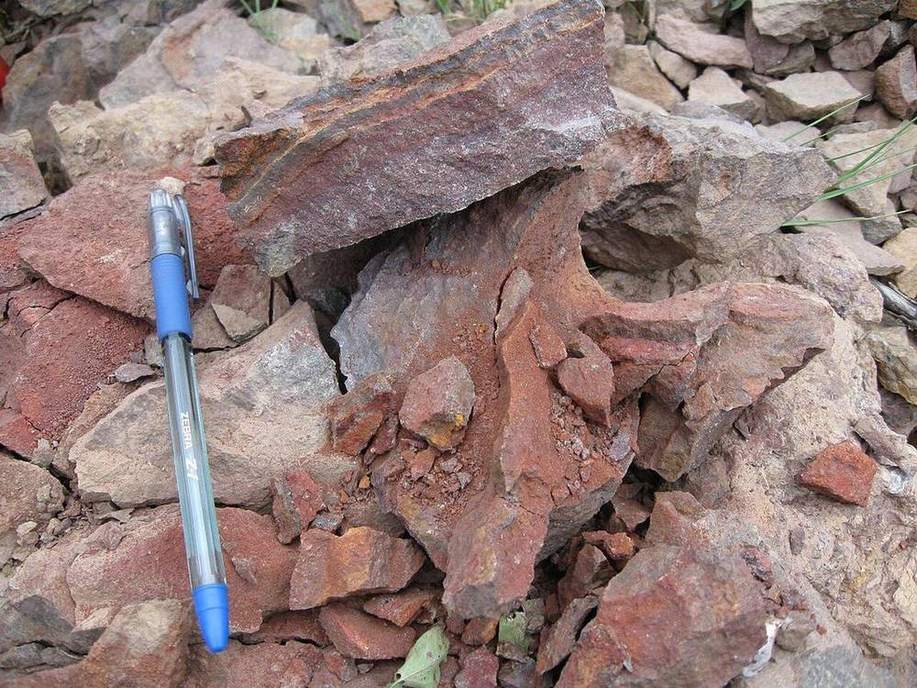
One Yorkshire hillside, four soils. Crest is thin and dry. Toe is thick and wet. The hill is the factory.
Third row will say: Soil type is only climate.
Open the full note · Open the lab
Sudden Earth
Hazards
Quakes, volcanoes, tsunami, tropical cyclones. Sudden Earth, drawn as a process.
GCSE AQA 3.1.1.4NGSS MS-ESS3-2KS3GCSE
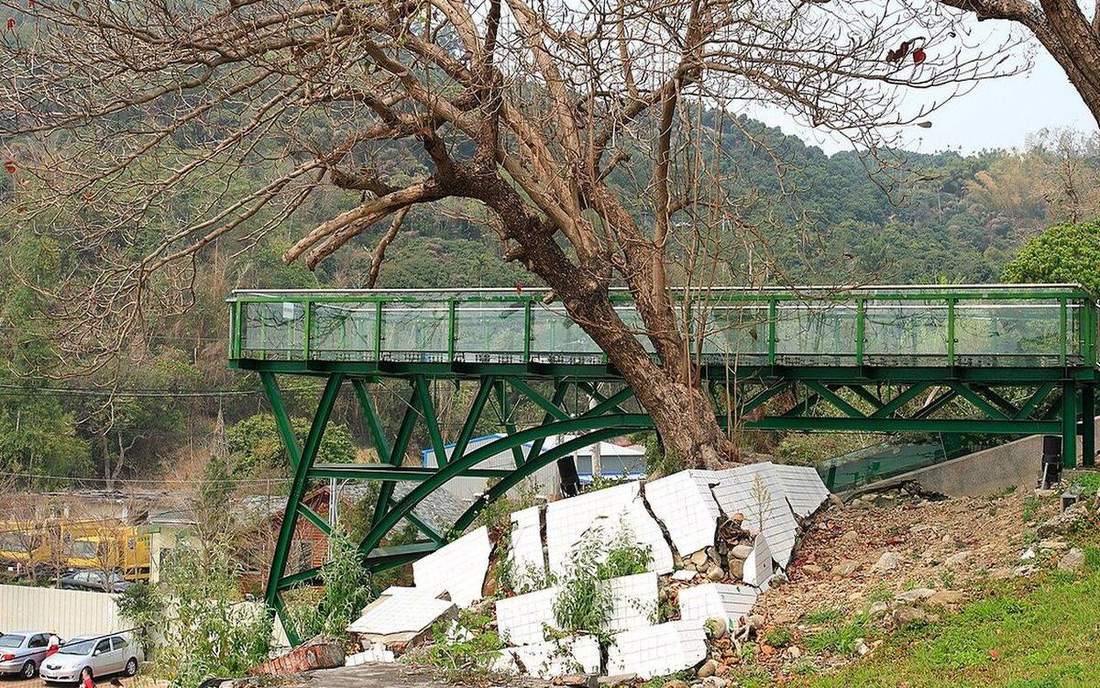
Focus is in the rock. Epicentre is the map dot. P, then S, then the surface wave that does the damage in town.
Third row will say: The epicentre is underground.
Open the full note · Open the lab
GCSE AQA 3.1.1.3NGSS MS-ESS2-2KS3GCSE
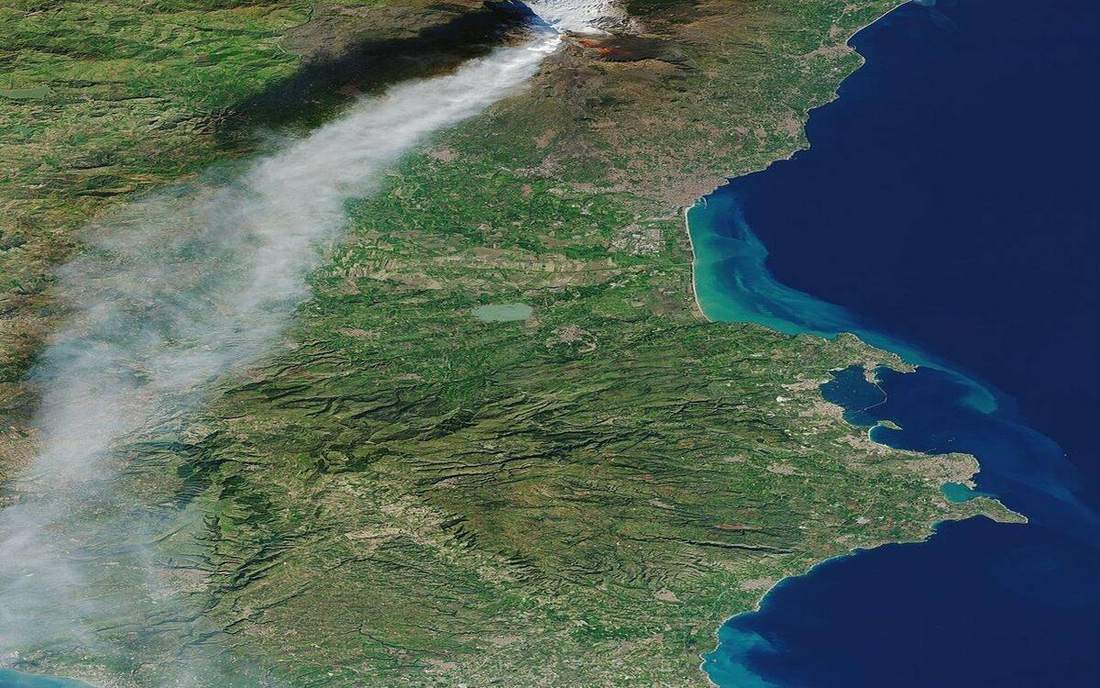
Viscosity is the plot. Shield, strato, rift — three shapes from one slider.
Third row will say: All volcanoes explode.
Open the full note · Open the lab
GCSENGSS MS-ESS3-2GCSENGSS MS
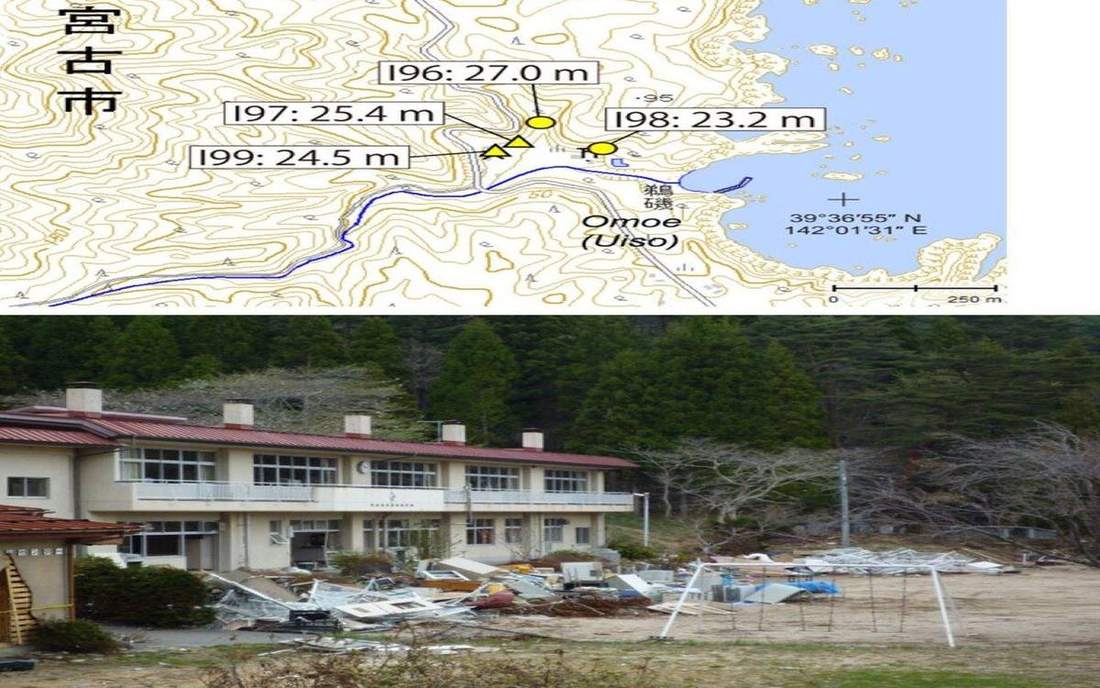
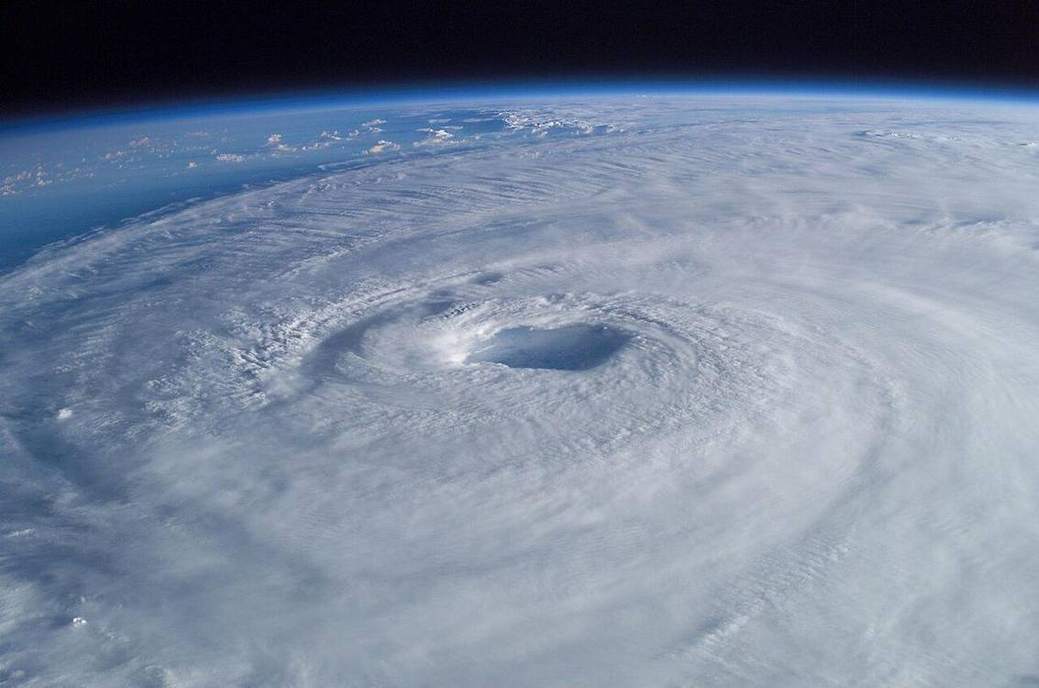
Seafloor slip lifts a water column. In deep water the wave is fast and low. At the coast it stands up.
Third row will say: A tsunami is a wind storm surge.
Open the full note · Open the lab
GCSE hazardsNGSS MS-ESS3-2KS3GCSE
Eye, eyewall, rainbands. Warm sea is the fuel. A UK depression is usually a different machine.
Third row will say: Every windy UK day is a hurricane.
Open the full note · Open the lab
GCSE AQA 3.1.1.4NGSS MS-ESS3-2GCSENGSS MS
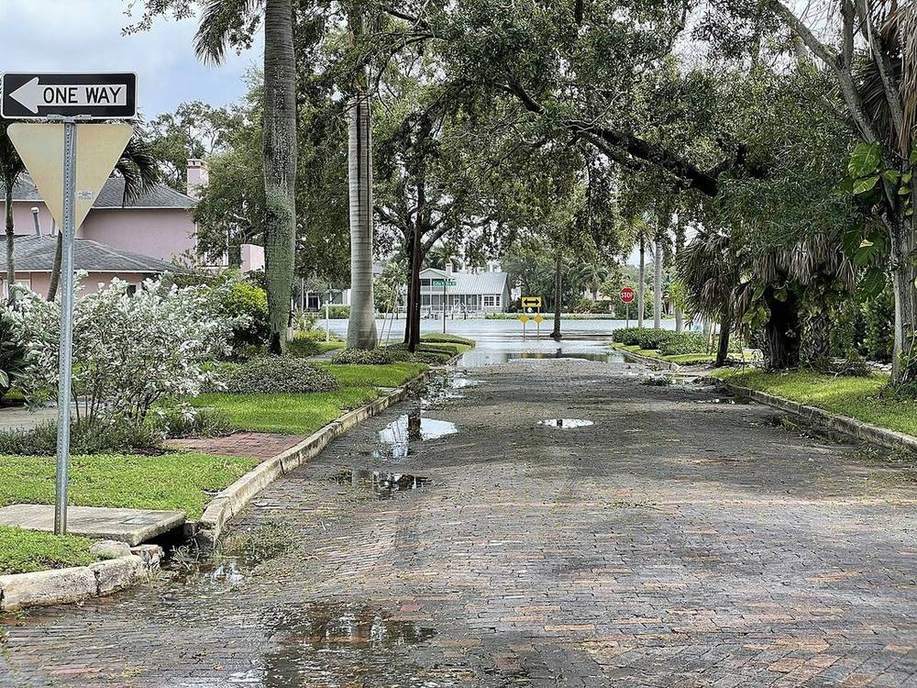
The 1953 North Sea flood was wind piling water onto a shelf. Katrina’s surge was the same machine on the Gulf. It is not a tsunami.
Third row will say: Every sudden coastal flood is a tsunami.
Open the full note · Open the lab
Read the map, then the hill
Skills
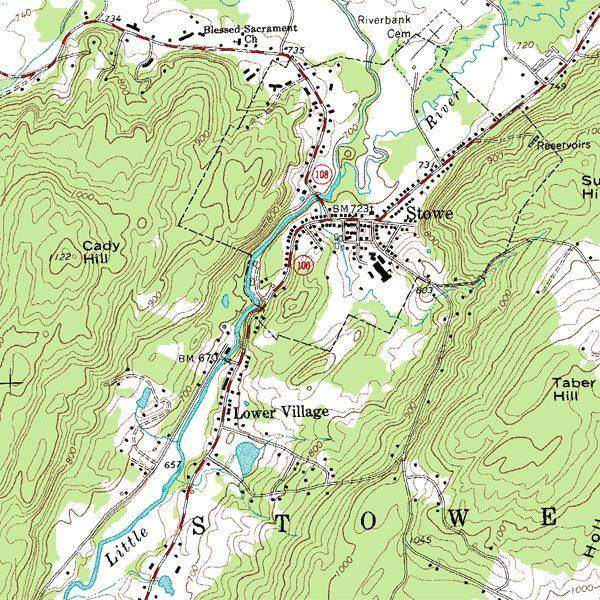
Contours, graticule, projections, and grid references. The classroom skill behind the map paper.
GCSE map skillsAQA 3.3 Geographical applicationsKS3GCSE
A GCSE map question is a hill wearing a disguise. The spur and the valley are the same lines, bending opposite ways.
Third row will say: Contours are paths.
Open the full note · Open the lab
KS3 map skillsGCSEKS3GCSE
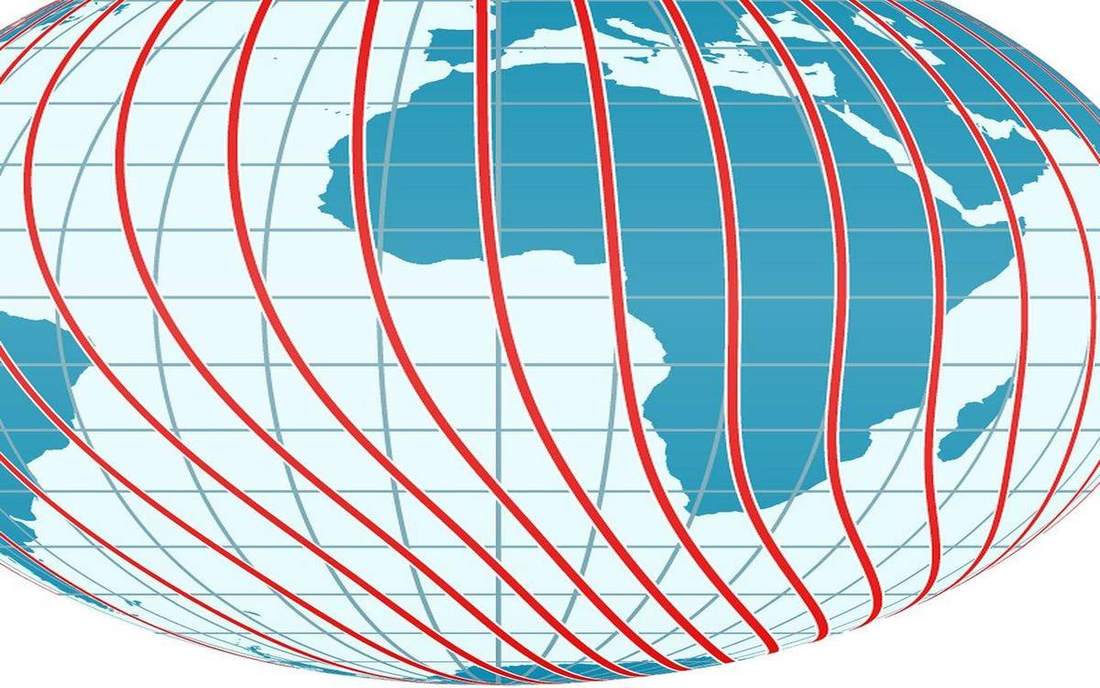
Latitude is how far from the equator. Longitude is how far from Greenwich. Together they are an address, not a decoration.
Third row will say: The equator is a line of longitude.
Open the full note · Open the lab
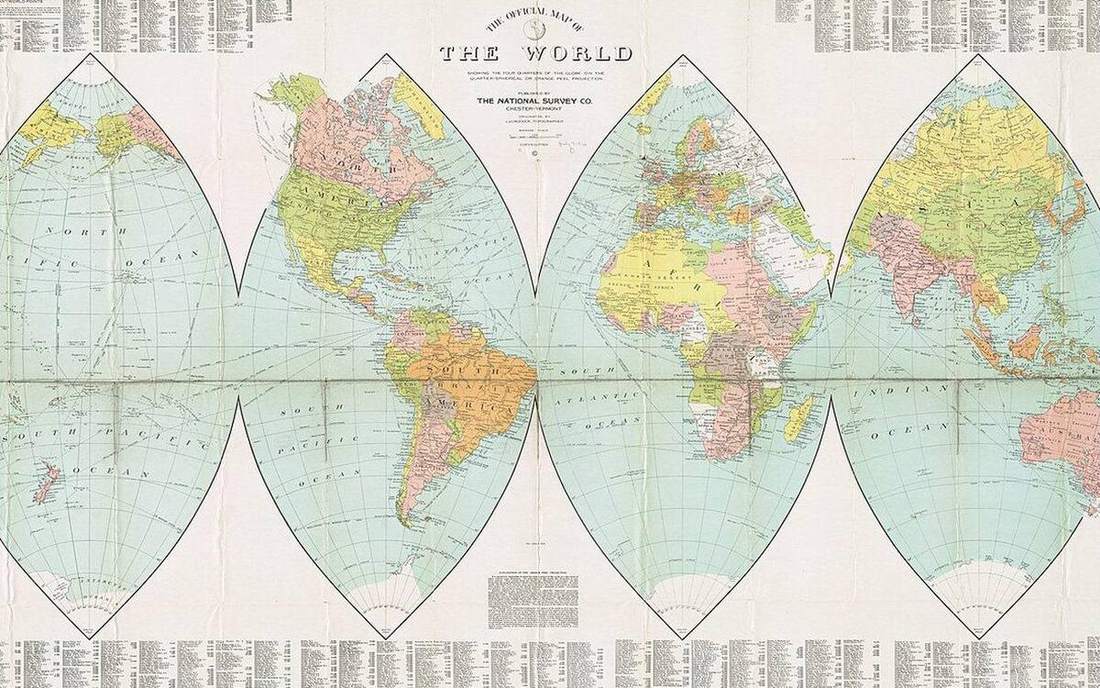
GCSE map skillsNGSS MS-ESS2-2KS3GCSE
Peel an orange and the skin tears. Every world map is a compromise. Greenland is the giveaway.
Third row will say: The classroom wall map is the true size of countries.
Open the full note · Open the lab
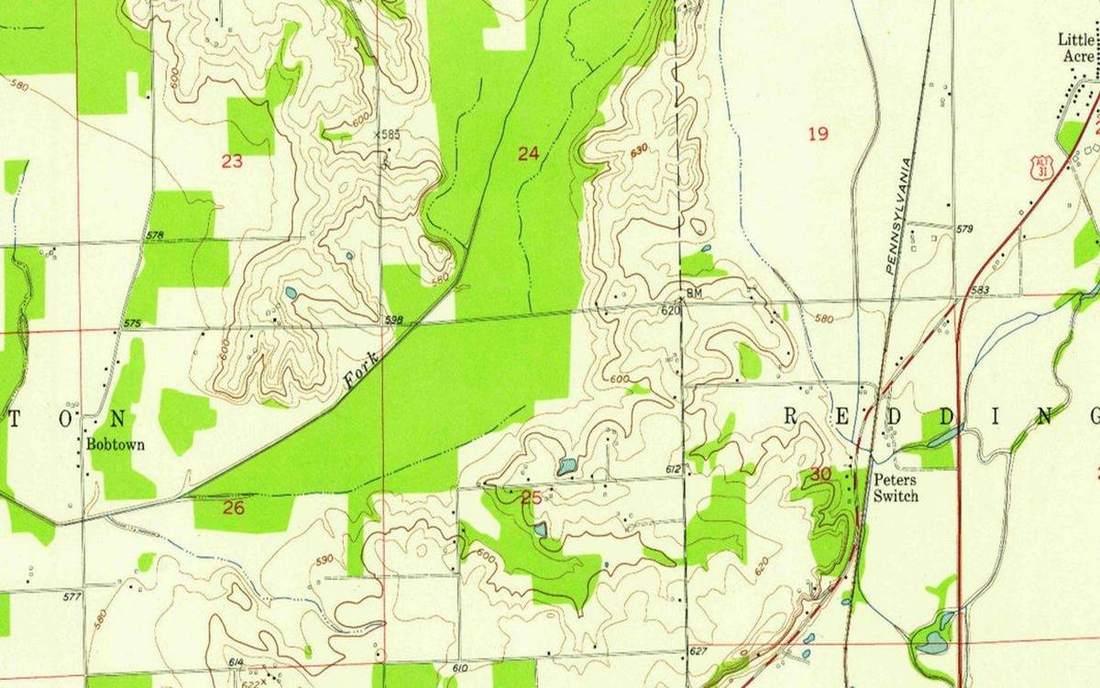
GCSE map skillsAQA 3.3KS3GCSE
An OS six-figure reference is a 100 m square, not a pin. Eastings then northings. Along the corridor, up the stairs.
Third row will say: A six-figure reference is a single lamp-post.
Open the full note · Open the lab