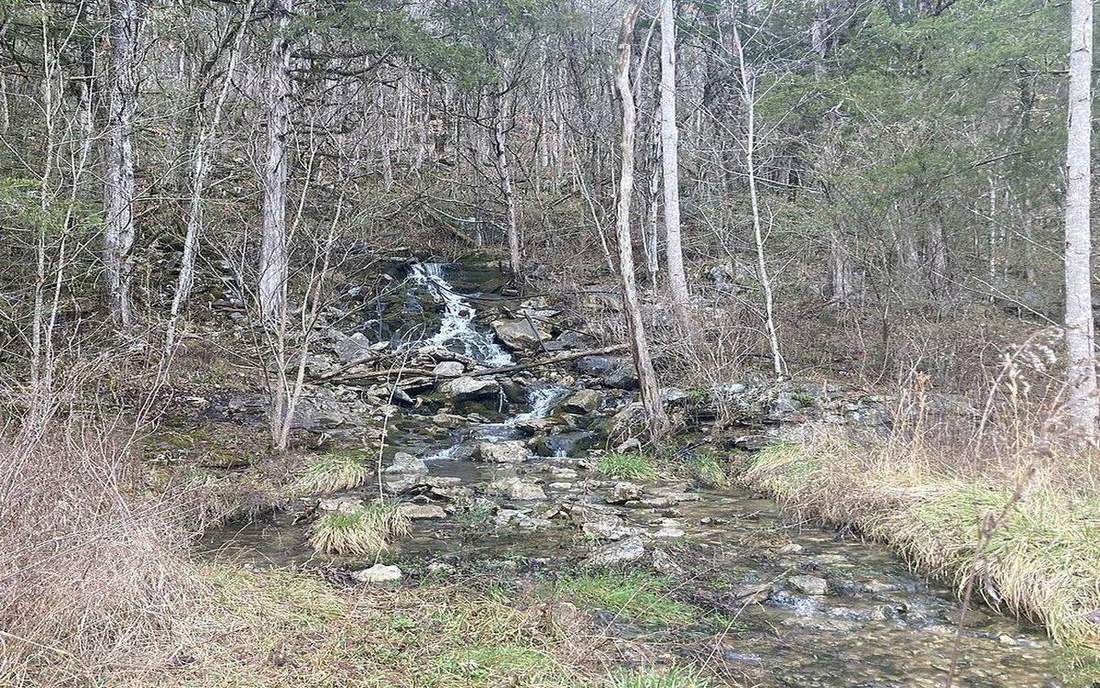
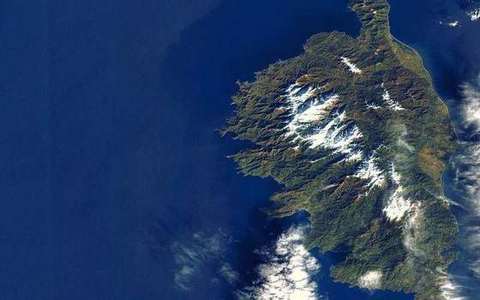
 Water leaving a surface as vapour and returning as rain. This is the classroom sense of water-cycle: a named landform, process, or object. Source: Wikimedia Commons / NASA / USGS / NOAA, public domain or CC.Wikimedia Commons / NASA / USGS / NOAA, public domain or CC
Why this matters
Thames and Severn abstraction, Somerset Levels flooding, and western US Colorado reservoirs are the same diagram with different taps. Stores first, then transfers. A flood is a transfer the soil cannot take. A drought is a store running down. GCSE and APES both fail students who draw arrow salad with no boxes. Ice and groundwater dominate fresh water. Rivers are a fast trickle in the global budget, which is why a Thames low flow can still look like a lot of water on a local map.
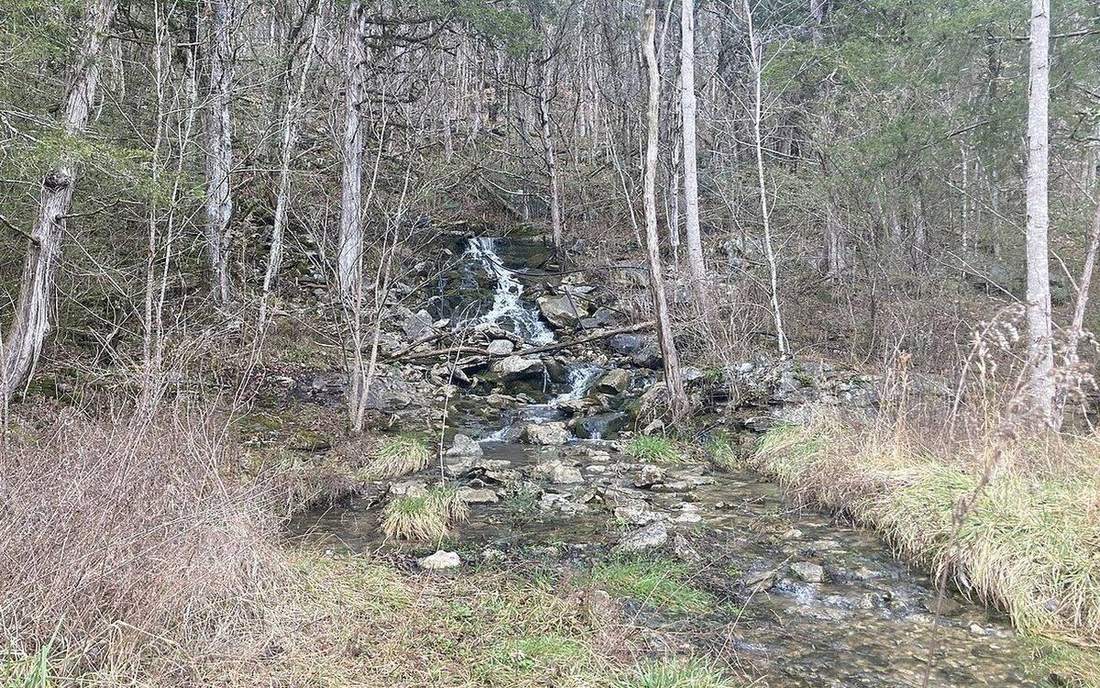 Field photograph or official scientific figure for teaching water cycle. A second photograph for the projector script — not the lab cover. Source: Wikimedia Commons / NASA / USGS / NOAA, public domain or CC.Wikimedia Commons / NASA / USGS / NOAA, public domain or CC
The mechanism
Water is conserved. Stores: ocean, ice, groundwater, lakes, soil, air. Transfers: evaporation, transpiration, precipitation, infiltration, runoff, throughflow, groundwater flow. What moves: the tracer particle, the abstraction tap. What does not: the closed budget. What is conserved: mass of water, in school language. Abstraction mines a named store — a town taking from a river or an aquifer — it does not delete the ocean. Arrow sizes here are teaching, not USGS fluxes to the litre. The particle is a tracer, not a molecule census. Toggle the basin overlay to see a catchment as a budget boundary. The lie: pretty arrows. The skill: name the store before you chase the transfer. Rivers are a flow, not a major global store.
How to drive the model
Name stores first, then chase one particle from ocean to snow to river and back. Toggle the basin. Then open abstraction and ask who loses: the ocean or the town. Keyboard: Space, L labels, R reset, P projector. The abstraction slider is the tap. Leave it closed until stores are named. Then open it.
If the model will not spin
Arrow sizes are teaching, not USGS fluxes to the litre. The particle is a tracer, not a molecule census. Without the 3D view: name stores, then transfers. Ocean, ice, groundwater, soil, lakes, air. Evaporation, precipitation, infiltration, runoff. Abstraction mines a store. Rivers are a flow. A flood is a transfer the soil cannot take. That is enough for Check, and enough to read a UKCEH or USGS water-cycle poster without drowning in arrows.
Film
How Can Rain Create Conflict? Crash Course Geography #11. Crash Course Geography. About 11 min. Crash Course / Complexly on YouTube. Standard YouTube licence. Educational embed, autoplay off. Autoplay off.
Misconceptions
Water is used up.
The global mass is conserved. Quality, location, and timing change. A dry reservoir is a local budget failure.
Rivers are a major global store of fresh water.
Ice then groundwater dominate fresh water. Rivers are a fast transfer, a trickle in the budget.
The cycle is a circle of arrows with no stores.
Stores first, then transfers. Abstraction mines a named store. A flood is a transfer the soil cannot take.
Store
A place water sits: ocean, ice, aquifer, lake, soil, air.
 Store in the water-cycle lab — a TERMS crop, not the glossary plate and not the lab cover. A place water sits: ocean, ice, aquifer, lake, soil, air. Source: Wikimedia Commons / NASA / USGS / NPS, public domain or CC.Wikimedia Commons / NASA / USGS / NPS, public domain or CC
Transfer
A flow between stores.
 transfer in the water-cycle lab — a TERMS crop, not the glossary plate and not the lab cover. A TERMS crop, not the glossary plate and not the lab cover. Source: Wikimedia Commons / NASA / USGS / NOAA, public domain or CC.Wikimedia Commons / NASA / USGS / NOAA, public domain or CC
Watershed
The boundary of a drainage basin.
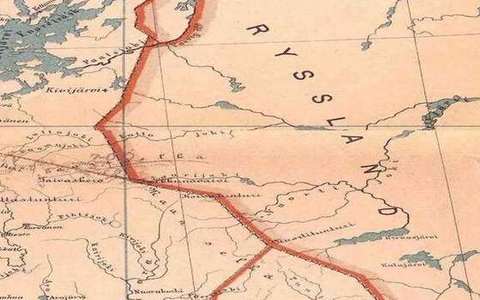 Watershed in the water-cycle lab — a TERMS crop, not the glossary plate and not the lab cover. The boundary of a drainage basin. Source: Wikimedia Commons / NASA / USGS / public domain.Wikimedia Commons / NASA / USGS / public domain
Abstraction
Human removal of water from a store.
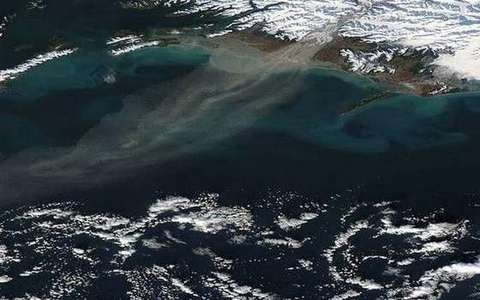 abstraction in the water-cycle lab — a TERMS crop, not the glossary plate and not the lab cover. A TERMS crop, not the glossary plate and not the lab cover. Source: Wikimedia Commons / NASA / USGS / NOAA, public domain or CC.Wikimedia Commons / NASA / USGS / NOAA, public domain or CC
Interception
Rain caught on vegetation before it hits the ground.
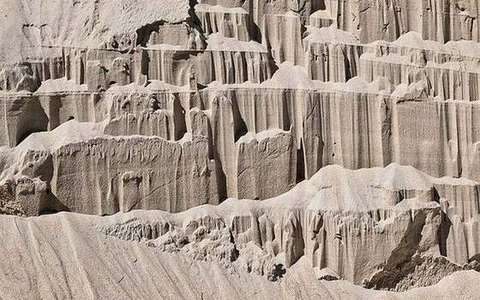 interception in the water-cycle lab — a TERMS crop, not the glossary plate and not the lab cover. A TERMS crop, not the glossary plate and not the lab cover. Source: Wikimedia Commons / NASA / USGS / NOAA, public domain or CC.Wikimedia Commons / NASA / USGS / NOAA, public domain or CC
Abstraction
Water taken from a named store for people. A tap on a river or aquifer, not a deleted ocean.
Residence time
How long a molecule stays in a store. Ice is long. Rivers are short.
 residence time in the water-cycle lab — a TERMS crop, not the glossary plate and not the lab cover. A TERMS crop, not the glossary plate and not the lab cover. Source: Wikimedia Commons / NASA / USGS / NOAA, public domain or CC.Wikimedia Commons / NASA / USGS / NOAA, public domain or CC
Evapotranspiration
Evaporation plus transpiration. A land transfer back to air.
 Evapotranspiration in the water-cycle lab — a TERMS crop, not the glossary plate and not the lab cover. Evaporation plus transpiration. Source: Wikimedia Commons / NASA / USGS / NPS, public domain or CC.Wikimedia Commons / NASA / USGS / NPS, public domain or CC