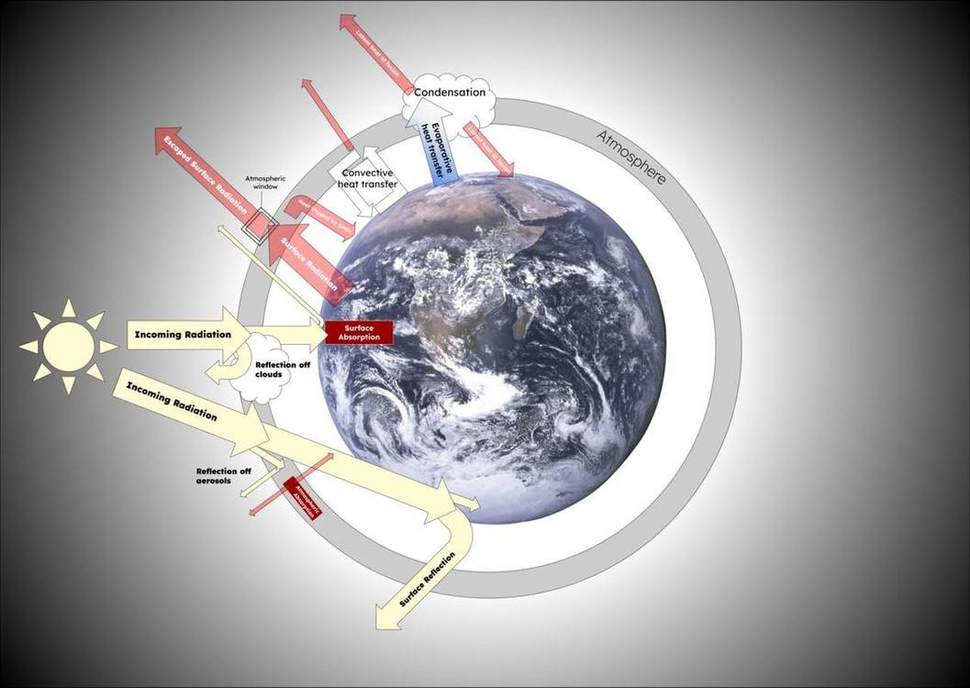
 In must equal out, or the planet warms.NASA, public domain
Why this matters
Urban heat and snowmelt are budget stories, not moods of the air. A snowy Cairngorm plateau and a paved Phoenix afternoon are the same arrows with different numbers: incoming shortwave, a bounce, absorption at the surface, then longwave up from the ground. The air is mostly heated from below. That is why a dark playground cooks and a bright snowfield does not, and why a UK winter park under fresh snow can stay stubbornly cold while a Florida car park does not. GCSE climate and APES energy-budget diagrams both start here. If pupils think the air takes the Sun’s punch first, every later sentence about greenhouse return, sea breezes, and urban heat islands sits on the wrong floor. Trace the yellow beam to the ground. Then talk about London brick, Arizona desert, and mountain snow as surfaces, not as weather personalities.
 A second photograph for the projector script — not the lab cover.Wikimedia Commons / NASA / USGS
The mechanism
The solar beam is shortwave: ultraviolet, visible, and near-infrared. Some of that beam reflects to space; that fraction is albedo. The rest is absorbed, mostly by ground and ocean, some by atmosphere and cloud. The warmed surface emits longwave infrared. Greenhouse gases absorb and re-radiate that longwave; the school box labelled greenhouse return is longwave from the atmosphere back to the ground, not a blanket that blocks the yellow beam on the way in, and not a 2026 climate forecast. Raise albedo toward snow and less shortwave is absorbed, so the red glow fades. Drop albedo toward dark peat or asphalt and the surface takes more of the punch. Phoenix heat is a low-albedo, dry, urban-surface story. Cairngorm snow is a high-albedo story until melt changes the cover. London brick and a Florida wetland sit between those poles, with water and evaporation arguing as well. Units in the adult literature are watts per square metre (W m⁻²); this lab is the arrow diagram, not an inventory you should invent numbers for. Toggle greenhouse return off to see the surface glow without the return, then on again so the class hears the honest sentence: school box, not a GCM.
How to drive the model
Drag to orbit the globe of arrows. Space plays and pauses the beam. Arrows left and right nudge time. L hides labels so you can ask what yellow and red mean. R resets albedo and the greenhouse toggle. P is projector. Scrub Albedo from peat toward snow and watch absorbed shortwave fall. Toggle Greenhouse return off, then on. Time is not a year clock here; the drive is the slider and the toggle. Share the URL when the snow and the return sit where you want the question.
If the model will not spin
If JavaScript or WebGL dies, the 2D fallback still shows the budget as labelled arrows. Teach from the steps: yellow shortwave to the ground, bounce, red longwave, greenhouse return as a school box. Check still asks what hits first, what albedo is, why Cairngorm snow heats the air less than peat, and what the greenhouse toggle is not. Print the teacher script. The glossary still names albedo, shortwave, and longwave. Cases still point at Cairngorms and Phoenix. You lose the moving beams, not the floor the air is heated from. A board sketch of yellow in and red out can stand in for the canvas.
Film
What Does the Atmosphere Do? Crash Course Geography #6. Crash Course Geography. About 11 min. Crash Course / Complexly on YouTube. Standard YouTube licence. Educational embed, autoplay off. Autoplay off.
Misconceptions
The air takes the Sun’s heat, then warms the ground.
The ground (and ocean) take most of the beam. The air is heated from below, plus some absorption.
Greenhouse gases trap the Sun’s yellow light as a blanket over the beam.
The solar beam is shortwave. Greenhouse return is longwave from the atmosphere back to the ground.
Albedo is how hot a surface feels to the hand.
Albedo is the reflected fraction of shortwave. A dark dry pavement can run hot because it absorbs more, then emits longwave.
Albedo
Fraction of incoming shortwave reflected by a surface. Fresh snow high; dark peat low.
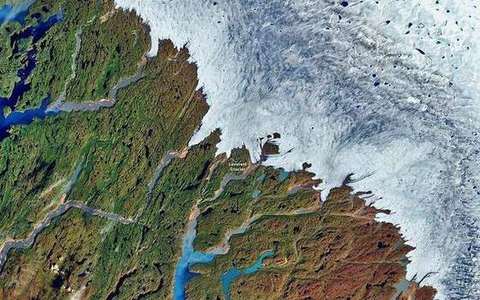 Albedo in the energy-budget lab — a TERMS crop, not the glossary plate and not the lab cover. Fraction of incoming shortwave reflected by a surface. Source: Wikimedia Commons / NASA / USGS / public domain.Wikimedia Commons / NASA / USGS / public domain
Shortwave
Solar radiation: ultraviolet, visible, near-infrared.
 shortwave in the energy-budget lab — a TERMS crop, not the glossary plate and not the lab cover. A TERMS crop, not the glossary plate and not the lab cover. Source: Wikimedia Commons / NASA / USGS / NOAA, public domain or CC.Wikimedia Commons / NASA / USGS / NOAA, public domain or CC
Longwave
Earth-emitted infrared from the ground, ocean, and atmosphere.
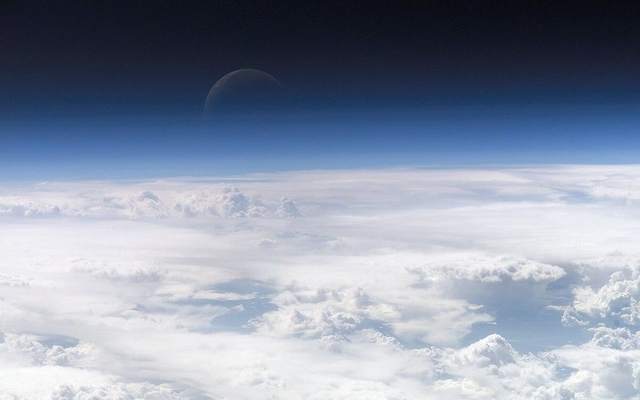 longwave in the energy-budget lab — a TERMS crop, not the glossary plate and not the lab cover. A TERMS crop, not the glossary plate and not the lab cover. Source: Wikimedia Commons / NASA / USGS / NOAA, public domain or CC.Wikimedia Commons / NASA / USGS / NOAA, public domain or CC
Greenhouse effect
Atmosphere absorbing and re-radiating longwave. School box, not a GCM.
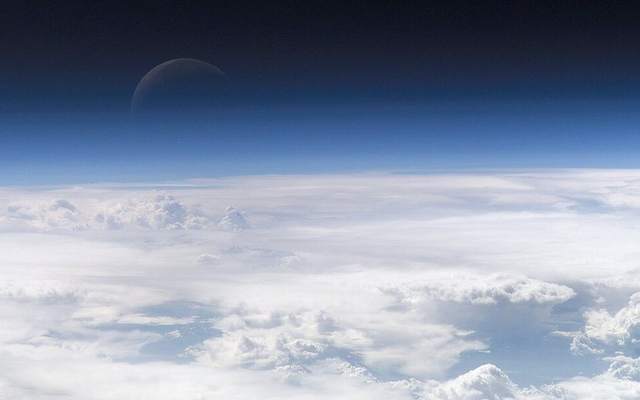 greenhouse effect in the energy-budget lab — a TERMS crop, not the glossary plate and not the lab cover. A TERMS crop, not the glossary plate and not the lab cover. Source: Wikimedia Commons / NASA / USGS / NOAA, public domain or CC.Wikimedia Commons / NASA / USGS / NOAA, public domain or CC
Energy budget
Balance of incoming and outgoing radiation for a surface or the planet.
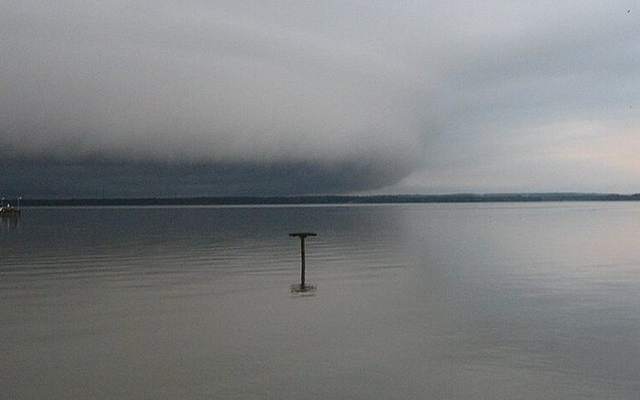 energy budget in the energy-budget lab — a TERMS crop, not the glossary plate and not the lab cover. A TERMS crop, not the glossary plate and not the lab cover. Source: Wikimedia Commons / NASA / USGS / NOAA, public domain or CC.Wikimedia Commons / NASA / USGS / NOAA, public domain or CC
Absorption
Radiation taken up by a surface or gas and converted to energy in that matter.
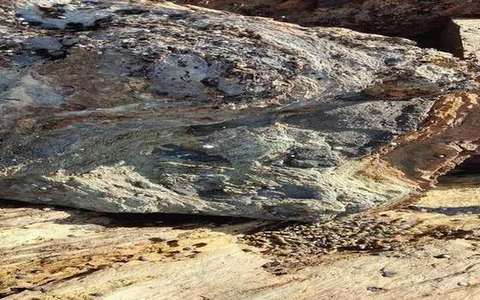 absorption in the energy-budget lab — a TERMS crop, not the glossary plate and not the lab cover. A TERMS crop, not the glossary plate and not the lab cover. Source: Wikimedia Commons / NASA / USGS / NOAA, public domain or CC.Wikimedia Commons / NASA / USGS / NOAA, public domain or CC
Emission
Radiation given out. Warm ground emits longwave.
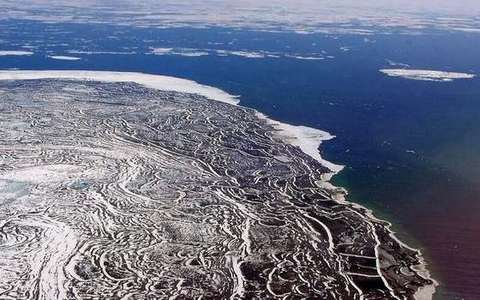 emission in the energy-budget lab — a TERMS crop, not the glossary plate and not the lab cover. A TERMS crop, not the glossary plate and not the lab cover. Source: Wikimedia Commons / NASA / USGS / NOAA, public domain or CC.Wikimedia Commons / NASA / USGS / NOAA, public domain or CC
Insolation
Incoming solar radiation at a surface, after geometry and, at the ground, atmosphere.
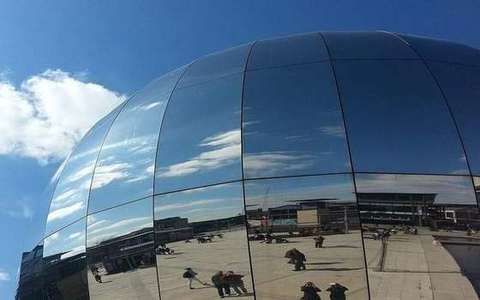 Insolation in the energy-budget lab — a TERMS crop, not the glossary plate and not the lab cover. Incoming solar radiation at a surface, after geometry and, at the ground, atmosphere. Source: Wikimedia Commons / NASA / USGS / public domain.Wikimedia Commons / NASA / USGS / public domain