Teachers
KS3 · 15 minutes · no login
Thermal circulation
All teacher notes · Open the lab · 2136 words · ·
Why this lesson, and why the 3D
Thermal circulation is a fifteen-minute projector lesson, not a homework packet and not a film with a quiz bolted on. Put this hook on the board before you dim the lights: A coastal school feels the sea breeze at last period for a reason. By the end of the slot a pupil should be able to heat one column, watch the loop, and switch between land–sea breeze and a simple urban-heat island. Curriculum tags in the header (KS3; GCSE weather; NGSS MS-ESS2-5) are filters, not a flag. The room is worldwide; SI first; International English. Ages on the card (KS3, GCSE, NGSS MS) are a suggested band, not a gate.
Last period on a sunny coastal site is a field trip you do not leave the playground for. A UK sea breeze is the same thermal loop as a Phoenix afternoon pulling air off a cooler canal or desert edge: land or pavement heats faster, air rises, surface air replaces it from the cooler side. London brick versus a park, Florida sea breeze versus inland convection, a playground versus a playing field: uneven heating, then a pressure difference, then wind. GCSE weather wants the sea breeze by name. NGSS wants the idea that heating differences drive circulation. If pupils think wind starts because the sea is always cold, they will never reverse the loop at night and they will brand every coastal wind a monsoon. Heat one column. Watch the return. Then say Phoenix heat island and UK sea breeze in the same sentence.
The 3D is a named, inspectable object. Click the part, not a caption. If the model will not spin, the Why panel still carries the mechanism, the two photographs, and the film. Do not apologise for the model. Drive it. A silent spin teaches a screensaver. A named mesh that changes under a slider teaches the process.
Fifteen minutes on the projector
Leave Land–sea on. Heat the land column. Wait for the loop. Particles rise over the warm column, travel, sink over the cool, return. Name the surface arrow: by day, sea to land. Wind starts because heating is uneven, not because the sea is always cold. The sea’s slower temperature change is the contrast, not a permanent cold machine. At night the loop can reverse as a land breeze. Not always; moisture and clouds argue. Toggle Urban heat on. A paved patch is now the warm column. An urban heat island is materials and less evaporative cooling, especially at night. Phoenix is the large locator. Do not draw Coriolis on a 20 km sea breeze. Do not call every coastal wind a monsoon. Finish in Check.
Open the lab full screen (F). Labels on (L). Speak the first step before you touch a slider: Two columns. The land one is warm. Particles rise, travel, sink over the cool column, return. Then the second: Toggle urban heat: a paved patch as the warm column. Then land–sea. Then the third: Uneven heating starts a pressure difference. Air starts ‘downhill’ on that slope. Coriolis is a later lab.
The sliders that earn their keep are Land–sea; Urban heat. Space plays; arrows nudge time; R resets. Parameters the URL can remember: landsea, urban. If you only have eight minutes, skip the last step and finish in Check. Projector layout (P) is for the back row: one idea, large type, the model still live.
Leave Land–sea on to start. Space plays the day–night walk so the loop can reverse. Arrow keys nudge time if you want a freeze-frame for the board. L hides labels; ask for the surface arrow before you reveal. R resets toggles. P is projector for a clean front. Toggle Urban heat to make the paved patch the warm column, then off again so the coast is the story. This is a local loop, not a year clock of cells. Share the URL when the surface arrow sits onshore, then again at night so the reverse is a link, not a rumour.
The in-site film is “How Does Air Temperature Shape a Place? Crash Course Geography #7” (Crash Course Geography, about 11 min, Crash Course / Complexly on YouTube. Standard YouTube licence. Educational embed, autoplay off.). Autoplay is off. Play one minute if you need a second voice; do not let the film eat the slot. The 3D still has to move under your hand.
What the third row will get wrong
You will hear the misconception before you have finished the first sentence. Write the false claim on the board and leave it there until the model has contradicted it. Do not skip this. A fluent pupil can recite the hook and still believe the false sentence.
“Wind starts because the sea is always cold.” — no. It starts because heating is uneven. The sea’s slower temperature change is the contrast, not a permanent cold machine.
“Every coastal wind is a monsoon.” — no. A sea breeze is a local thermal loop, kilometres not ocean basins. Monsoon is a seasonal, much larger reversal.
“Cities are warmer only because of car exhaust.” — no. Surface materials, geometry, and less evaporative cooling do most of the school-level work, especially at night.
Pitfalls to keep in your pocket: Drawing Coriolis on a 20 km sea breeze. Calling every coastal wind a monsoon. Teaching the night reversal as a clock that always rings. Blaming urban heat on exhaust alone and skipping surfaces. Do not let a pupil leave thinking the 3D is a photograph. It is a teaching model. Where vertical exaggeration exists, T collapses it and the caption says so. A labelled lie of scale is honest. An unlabelled one is a cartoon.
Two places, not a slogan
Two columns. By day the land (or the paved patch) takes more of the shortwave budget, warms, and the air above it becomes less dense. That column rises. Aloft, air moves toward the cooler column. There it sinks. At the surface, air flows toward the warm column: onshore as a sea breeze, or toward the city as a weak urban circulation. The sea’s slower temperature change is the contrast, not a permanent cold machine. At night the land often cools faster, and the loop can reverse as a land breeze; moisture, cloud, and a stubborn urban heat store all argue, so it is not a clock. Phoenix stays warmer at night because materials and less evaporative cooling hold heat; that is an urban heat island, not a sea. A UK sea-breeze front can lift a line of cloud a few kilometres inland on a spring afternoon. Do not draw Coriolis on a 20 km loop. Do not call every coastal wind a monsoon. Pressure difference first, then the arrows. The next lab adds Earth’s twist at a scale that can feel it.
The first place to land is UK sea breeze. The second is Phoenix urban heat. Same process, different rock or climate. If a pupil can only name one place, they have a postcard, not a mechanism. Atlas entries for those names are a click from the case list; send them back to the lab with one sentence they can say in Check.
Do not flatten the comparison into “this country versus that country.” Name the landform. Holderness is till, not chalk. Hawaii is a hotspot, not an island arc. Yosemite is a glacial trough, not a river canyon. The 3D is allowed to be schematic; the place names are not allowed to be sloppy.
Figures and the film
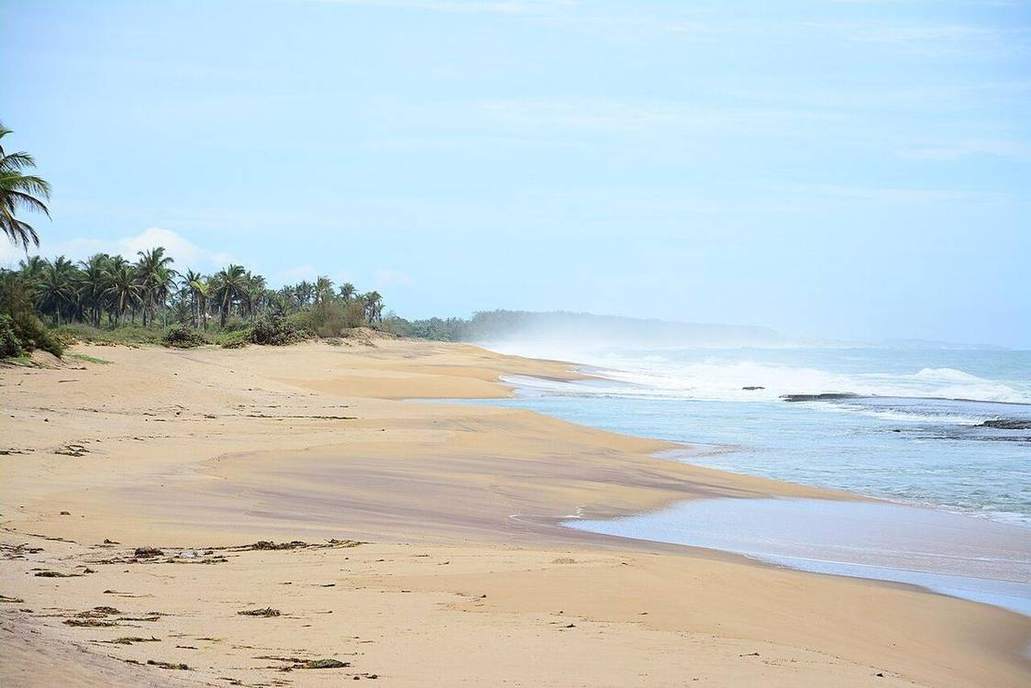
Field photograph: Cumulus over heated land: a thermal starting. Heat a column, start a loop. Credit: Wikimedia Commons, CC BY.
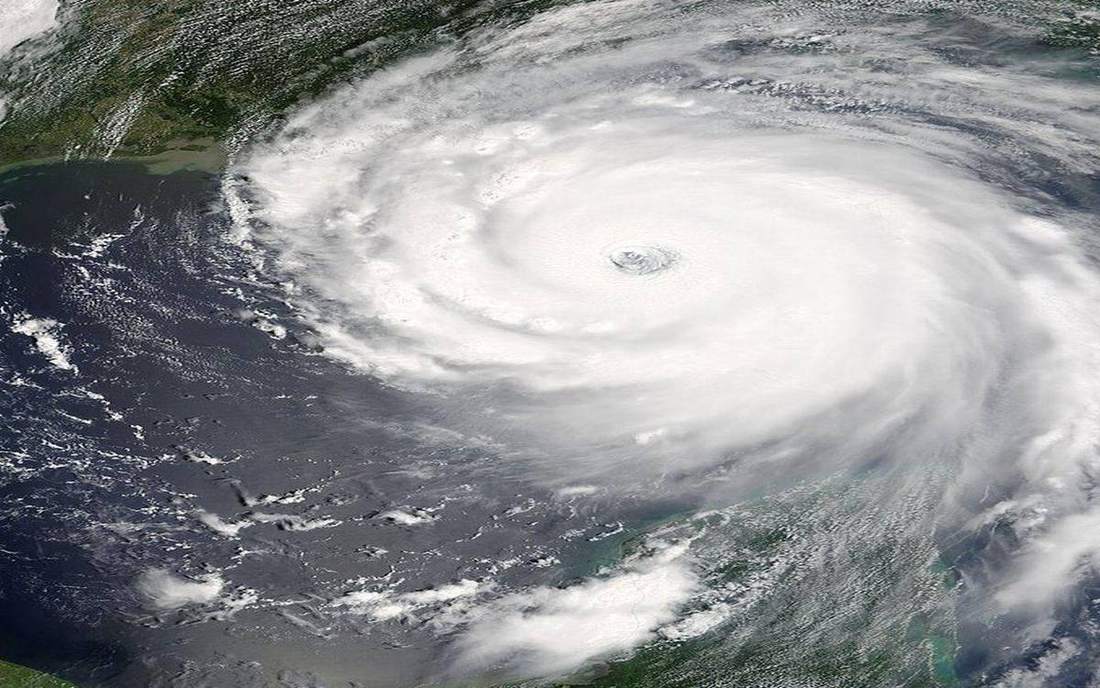
Mechanism photograph: Field photograph or official scientific figure for teaching thermal circulation. Field photograph or official scientific figure for teaching thermal circulation. A second photograph for the projector script — not the lab cover. Source: Wikimedia Commons / NASA / USGS / NOAA, public domain or CC. Credit: Wikimedia Commons / NASA / USGS / NOAA, public domain or CC.
Two photographs, two jobs. The field picture is the place. The mechanism picture is the process. Do not run the lesson on a single Apollo Earth disc. A carbon-cycle class is a forest and a seam, not a blue marble. An ENSO class is a Pacific temperature map, not Africa from Apollo 17.
Words they must be able to say
Say these out loud once while you click the matching mesh. If a word has no mesh, it still has a photograph in Terms.
Sea breeze: Daytime onshore flow driven by land heating faster than the sea. Land breeze: Night-time offshore flow when land has cooled faster than the sea. Not a clock. Urban heat island: City warmer than surroundings, especially at night, from materials and less evaporative cooling. Thermal circulation: A loop driven by uneven heating and the pressure difference that follows. Onshore flow: Surface wind from sea toward land. Pressure difference: Uneven heating builds a slope on the pressure field. Air starts downhill on that slope. Evaporative cooling: Heat used to evaporate water, so a wet surface warms more slowly than a dry one.
Exam-language toggle (the Teacher tab) swaps UK/US pairs where they exist — levée/levee, arête/arete — so a mixed room is not punished for spelling.
Close the slot
If JavaScript or WebGL dies, the 2D fallback still shows two columns and a loop. Teach from the steps: rise over the warm column, sink over the cool, surface flow toward the heat by day. Check still names sea breeze, land breeze, urban heat island, and why Coriolis waits. Print the teacher script. The glossary still carries onshore flow and evaporative cooling. Cases still point at a UK sea breeze and Phoenix heat. You lose the particles, not the reason a coastal school feels the breeze at last period. A board loop of four arrows can stand in for the canvas.
Finish in Check — ten questions, not a mood. The bank mixes definition, process, the misconception you just killed, a named place, and a read-the-model item (click the part; T). If a pupil can only recite the hook, they have not used the geometry. Wrong answers still show the one-line explain. Do not skip the explain.
Sources on the Teacher tab are the trail, not a bibliography to copy. Met Office sea breezes; NOAA urban heat.
Link back to the live lab and keep the same slug. Do not invent a parallel worksheet that contradicts T, SI, or the named parts.
This note is worldwide. Curriculum tags (KS3; GCSE weather; NGSS MS-ESS2-5) are filters, not a flag. A class in Nairobi, London, or Shanghai can use the same 3D. Ages (KS3, GCSE, NGSS MS) are a suggested band. If a sentence only works in one exam board, rewrite it before you project it.
Write these three lines on the board before you dim the lights. One: A coastal school feels the sea breeze at last period for a reason. Two: the misconception “Wind starts because the sea is always cold.”. Three: the named parts they must click. Then drive the model. Check is ten questions covering definition, process, the misconception, a place, and a read-the-model item. Do not skip the explain on a wrong answer.
Board, units, and what not to say
SI first. Metres, kilometres, degrees Celsius, metres per second. A conversion in brackets is courtesy, not a second system. Do not let a pupil leave thinking the 3D is a photograph. It is a teaching model. Where vertical exaggeration exists, T collapses it and the caption says so.
Do not say “teaching mesh”, “sprinkle”, or “thin free surface not a fat pipe” out loud. Say the landform. Seasons are ~23.44° of axial tilt, not Earth–Sun distance. The outer core is liquid; S-waves do not pass. Yosemite is a glacial U-trough. San Andreas is a transform. Hawaiʻi and Yellowstone are hotspots. Florida is not a glacial trough.
If the room is noisy, projector layout (P) is the back-row setting: one idea, large type, the model still live. Full screen (F). Labels (L). Space plays. Arrows nudge time. R resets. The URL can remember landsea, urban. Send them home with the same link; there is no login.
Last period on a sunny coastal site is a field trip you do not leave the playground for. A UK sea breeze is the same thermal loop as a Phoenix afternoon pulling air off a cooler canal or desert edge: land or pavement heats faster, air rises, surface air replaces it from the cooler side. London brick versus a park, Florida sea breeze versus inland convection, a playground versus a playing field: uneven heating, then a pressure difference, then wind. GCSE weather wants the sea breeze by name. NGSS wants the idea that heating differences drive circulation. If pupils think wind starts because the sea is always cold, they will never reverse the loop at night and they will brand every coastal wind a monsoon. Heat one column. Watch the return. Then say Phoenix heat island and UK sea breeze in the same sentence.
In-site film
How Does Air Temperature Shape a Place? Crash Course Geography #7. Crash Course Geography. Crash Course / Complexly on YouTube. Standard YouTube licence. Educational embed, autoplay off. Autoplay off.