Defined on first use in each lab. Collected here for revision. One entry per term; UK and US spellings both kept where they differ. Pick a letter, a realm, or search — the full list is not dumped into one page. Every plate is a field photograph or an official scientific figure.
Showing 20 · A
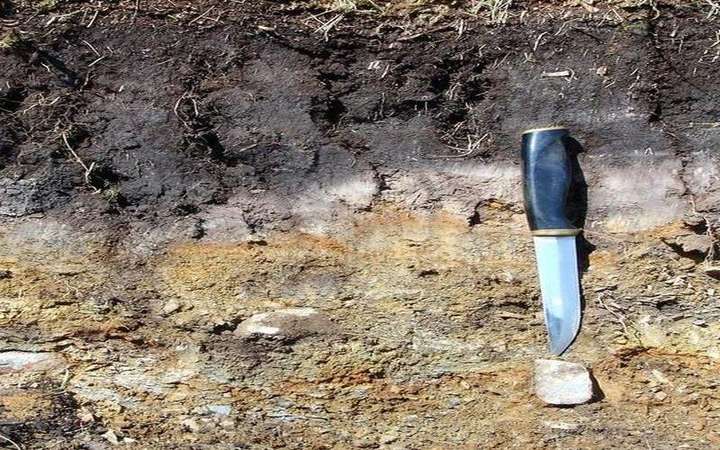
A horizon
Upper mineral soil mixed with organic matter. Topsoil in farm talk.
A horizon: a matching field photograph or official scientific figure. Upper mineral soil mixed with organic matter. Source: Wikimedia Commons / NASA / USGS / public domain.Wikimedia Commons / NASA / USGS / public domain
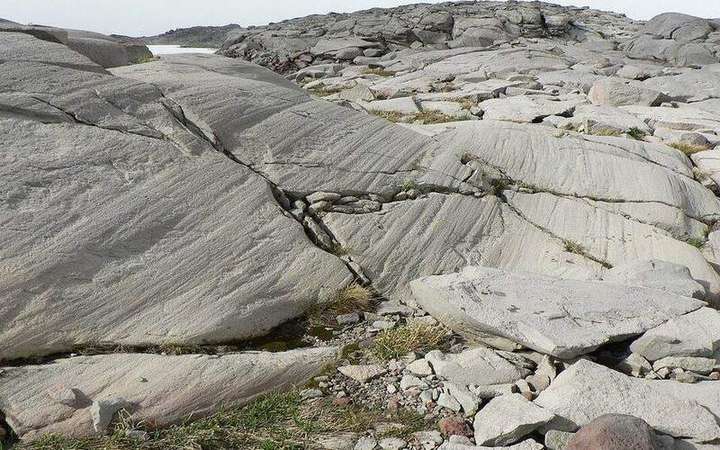
Load scratching and grinding the bed and banks. Exam papers may also write “Corrasion”.
Abrasion: a matching field photograph or official scientific figure. Load scratching and grinding the bed and banks. Source: Wikimedia Commons / NASA / USGS / public domain.Wikimedia Commons / NASA / USGS / public domain
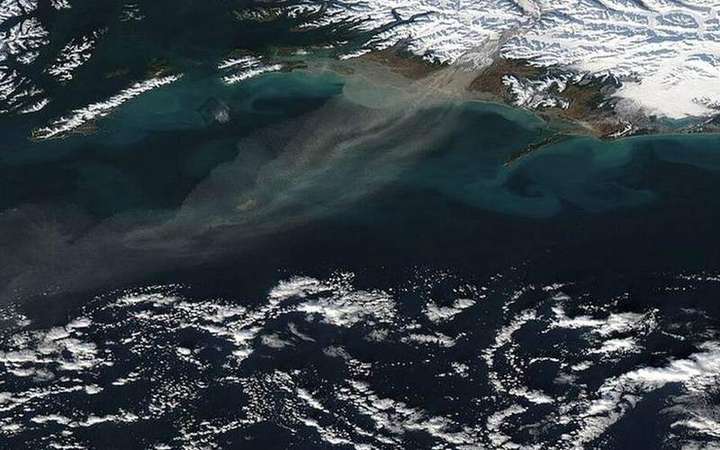
Radiation taken up by a surface or gas and converted to energy in that matter.
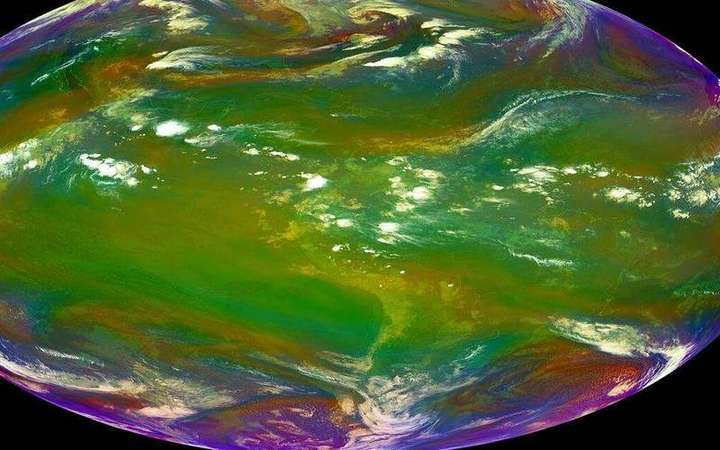
Absorption: a matching field photograph or official scientific figure. Radiation taken up by a surface or gas and converted to energy in that matter. Source: Wikimedia Commons / NASA / USGS / NOAA, public domain or CC.Wikimedia Commons / NASA / USGS / NOAA, public domain or CC
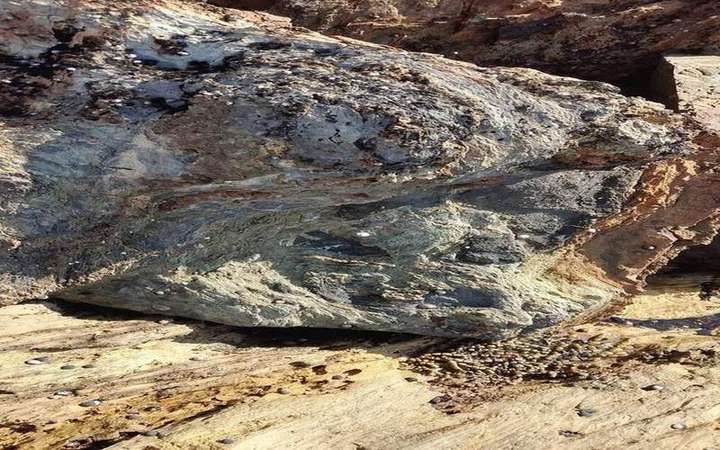
Abstraction: a matching field photograph or official scientific figure. This is the classroom sense of Abstraction: a named landform, process, or object. Source: Wikimedia Commons / NASA / USGS / NOAA, public domain or CC.Wikimedia Commons / NASA / USGS / NOAA, public domain or CC
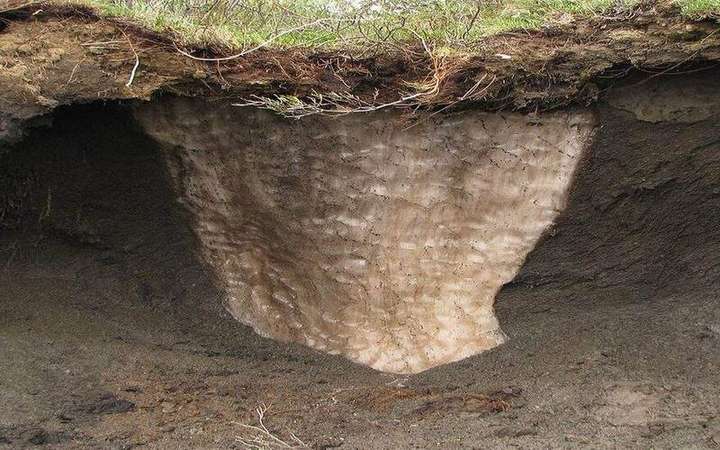
Active layer: a matching photograph or official scientific figure. The top that thaws in summer over permafrost. Source: Wikimedia Commons / NASA / USGS / NPS, public domain or CC.Wikimedia Commons / NASA / USGS / NPS, public domain or CC
A rising parcel expands and cools without heat being taken out by a fridge. School mechanism for cloud on the upslope.
Adiabatic cooling: a matching photograph or official scientific figure. A rising parcel expands and cools without heat being taken out by a fridge. Source: Wikimedia Commons / NASA / USGS / NPS, public domain or CC.Wikimedia Commons / NASA / USGS / NPS, public domain or CC
Tropical rainforest. No real winter, no dry season.
Af: a matching field photograph or official scientific figure. Tropical rainforest. Source: Wikimedia Commons / NASA / USGS / NOAA, public domain or CC.Wikimedia Commons / NASA / USGS / NOAA, public domain or CC
Volcanoes that get older away from the active centre, recording plate motion.
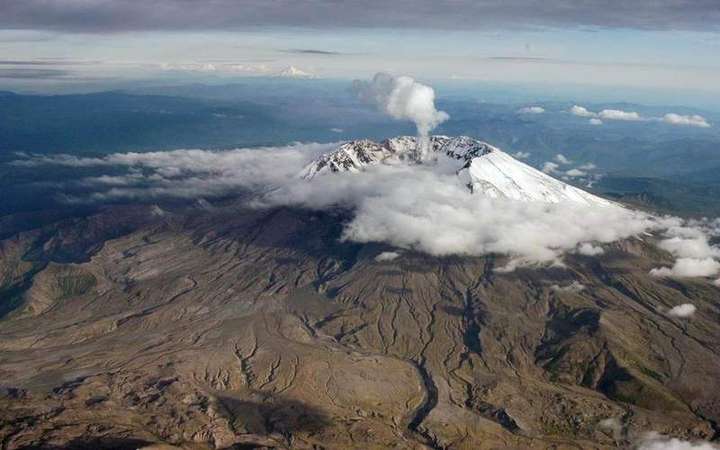
Age-progressive chain: a matching field photograph or official scientific figure. Volcanoes that get older away from the active centre, recording plate motion. Source: Wikimedia Commons / NASA / USGS / NOAA, public domain or CC.Wikimedia Commons / NASA / USGS / NOAA, public domain or CC
A large body of air with fairly even temperature and humidity, sitting on a source region.
Air mass: a matching field photograph or official scientific figure. A large body of air with fairly even temperature and humidity, sitting on a source region. Source: Wikimedia Commons / NASA / USGS / public domain.Wikimedia Commons / NASA / USGS / public domain
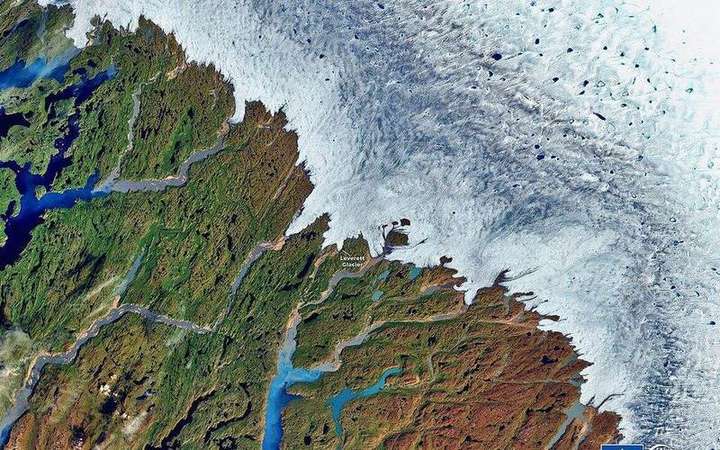
Fraction of incoming shortwave reflected by a surface. Fresh snow high; dark peat low.
Albedo: a matching field photograph or official scientific figure. Fraction of incoming shortwave reflected by a surface. Source: Wikimedia Commons / NASA / USGS / public domain.Wikimedia Commons / NASA / USGS / public domain
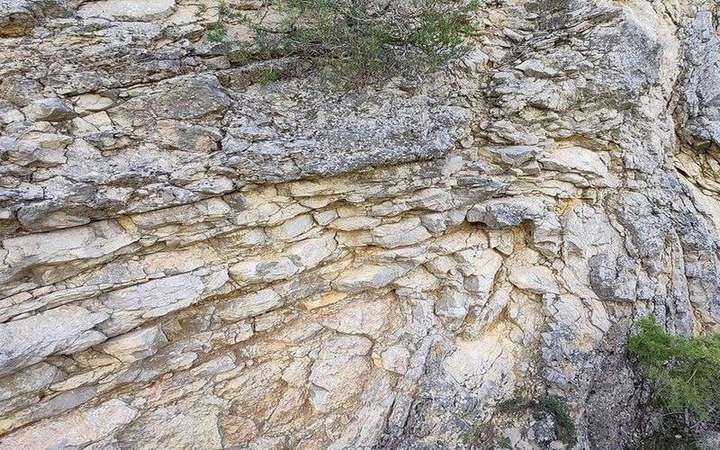
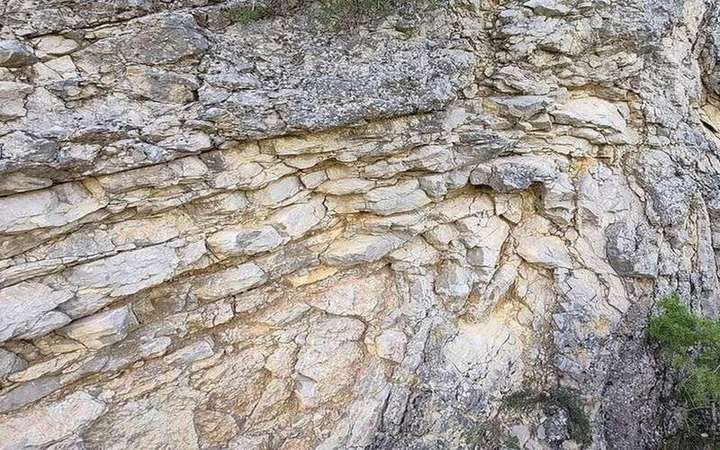
An anticline is an up-fold: oldest beds in the core, limbs dipping away. Lulworth’s folds and Pennsylvania’s ridges are readable sections, not a group portrait in a wood. A syncline is the down-fold pair. Folds record shortening; they are not faults until they break.
Anticline: a matching field photograph or official scientific figure. An anticline is an up-fold: oldest beds in the core, limbs dipping away. Source: Wikimedia Commons / NASA / USGS / public domain.Wikimedia Commons / NASA / USGS / public domain
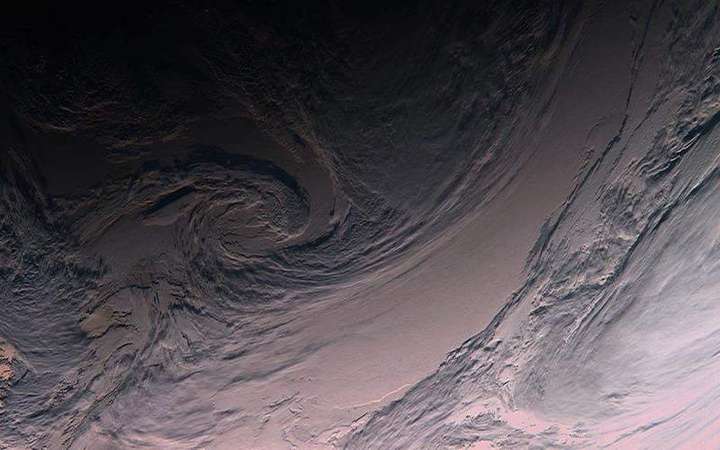
High-pressure system. Sinking air, often clearer, not a sunshine guarantee in winter fog.
Anticyclone: a matching field photograph or official scientific figure. High-pressure system. Source: Wikimedia Commons / NASA / USGS / public domain.Wikimedia Commons / NASA / USGS / public domain
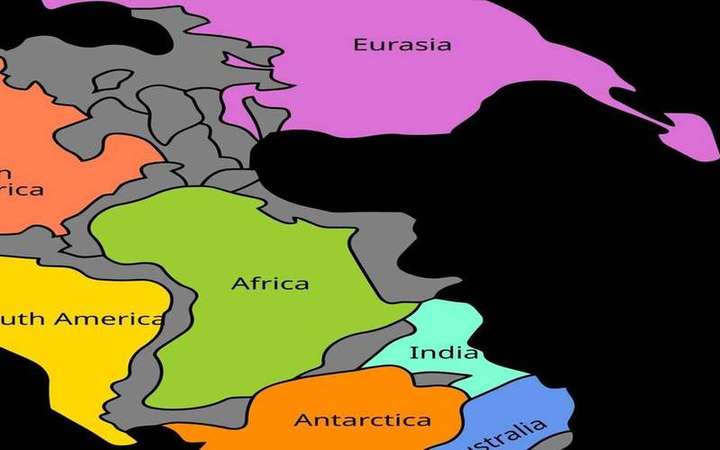
The North American scar of that same old ocean’s close.
Appalachians: a matching field photograph or official scientific figure. The North American scar of that same old ocean’s close. Source: Wikimedia Commons / NASA / USGS / NOAA, public domain or CC.Wikimedia Commons / NASA / USGS / NOAA, public domain or CC
Rock or sediment that stores and yields useful water.
Aquifer: a matching field photograph or official scientific figure. Rock or sediment that stores and yields useful water. Source: Wikimedia Commons / NASA / USGS / public domain.Wikimedia Commons / NASA / USGS / public domain
A layer that slows flow. Clay, often. The lid on a confined aquifer.
Aquitard: a matching field photograph or official scientific figure. A layer that slows flow. Source: Wikimedia Commons / NASA / USGS / NOAA, public domain or CC.Wikimedia Commons / NASA / USGS / NOAA, public domain or CC
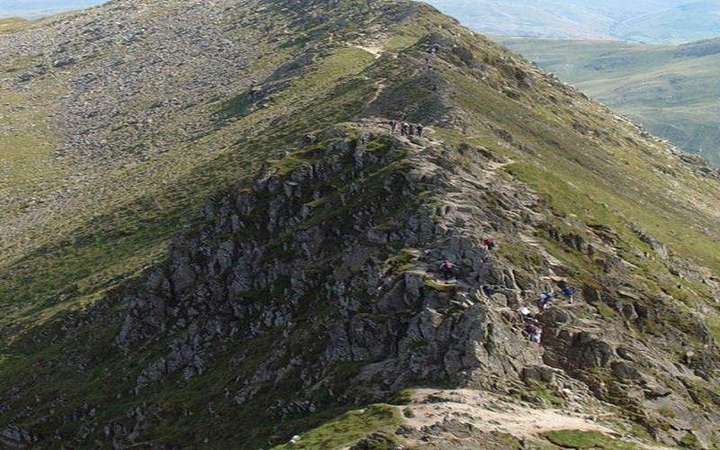
An arête is a knife-edged ridge left where two cirques cut back-to-back. The ice steepens both walls; the crest is what remains. Striding Edge on Helvellyn is the named UK walk. Do not call a river interfluve an arête — there was no ice. US papers often drop the accent and write arete; both spellings name the same ridge.
Arête: a matching field photograph or official scientific figure. An arête is a knife-edged ridge left where two cirques cut back-to-back. Source: Wikimedia Commons / NASA / USGS / public domain.Wikimedia Commons / NASA / USGS / public domain
Weaker mantle below that can creep. Solid, not a magma ocean.
Asthenosphere: a matching field photograph or official scientific figure. Weaker mantle below that can creep. Source: Wikimedia Commons / NASA / USGS / NOAA, public domain or CC.Wikimedia Commons / NASA / USGS / NOAA, public domain or CC
Earth–Sun distance, about 150 million km. The school unit for the inner system. Exam papers may also write “AU”.
Astronomical unit: a matching photograph or official scientific figure. Earth–Sun distance, about 150 million km. Source: Wikimedia Commons / NASA / USGS / NPS, public domain or CC.Wikimedia Commons / NASA / USGS / NPS, public domain or CC
Attrition: a matching field photograph or official scientific figure. Load particles colliding and rounding each other. Source: Wikimedia Commons / NASA / USGS / public domain.Wikimedia Commons / NASA / USGS / public domain
The 23.44° lean of Earth’s spin axis relative to its orbit. The lean’s direction stays nearly fixed as Earth goes around the Sun. Exam papers may also write “Obliquity of the ecliptic”.
Axial tilt: a matching field photograph or official scientific figure. This is the classroom sense of Axial tilt: a named landform, process, or object. Source: Wikimedia Commons / NASA / USGS / public domain.Wikimedia Commons / NASA / USGS / public domain