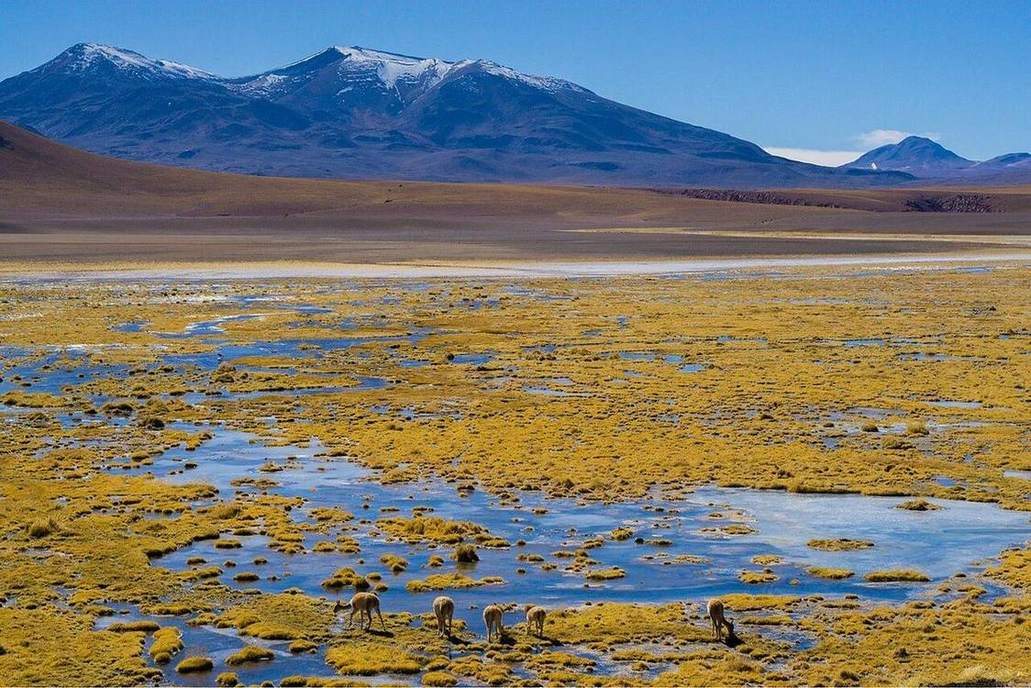
 Windward wet, lee dry.NPS / public domain
Why this matters
Keswick is wet. Penrith, over the Helvellyn ridge, is drier. The Lake District is a barrier in the westerlies, not a magic cloud. The Sierra Nevada does the same job at a continental scale: California’s Central Valley and the Owens Valley sit in the lee. GCSE weather and APES 4.8 both want orographic lift as a 3D machine, not a textbook cross-section you cannot turn. If a class thinks mountains ‘make rain’, they will not understand a desert next door.
 Field photograph or official scientific figure for teaching rain shadow. A second photograph for the projector script — not the lab cover. Source: Wikimedia Commons / NASA / USGS / NOAA, public domain or CC.Wikimedia Commons / NASA / USGS / NOAA, public domain or CC
The mechanism
Input is moist air forced up. As the parcel rises it expands and cools. Relative humidity climbs; cloud and rain on the windward face. Over the crest the air descends, compresses, warms, and dries. That is the rain shadow. What moves: the parcel, the cloud, the rain streaks. What does not: the ridge, until you raise it. What is conserved: water in the parcel until it rains out. The lie: a single ridge, a single wind, no season. Real Lake District weather has fronts as well. Real Sierra has a rain shadow and a seasonal snowpack. This lab isolates the barrier. Coriolis is not invited. The three-cell lab is the planetary machine; this is the hill in the way.
How to drive the model
Point at the windward cloud before any place names. Raise Ridge height. Watch the lee dry. Keyboard: Space, L, R, P. The wind slider is optional weather; the ridge is the plot. Name Keswick then Penrith, then Sierra then Owens, after the air has moved.
If the model will not spin
Without WebGL: moist air rises, cools, rains on the windward slope, then descends dry. That is a rain shadow. Lake District west versus Penrith. Sierra Nevada versus Owens Valley. Mountains do not make rain from nothing; they force air up. A taller ridge is a sharper shadow. That is enough for Check.
Film
How Can Rain Create Conflict? Crash Course Geography #11. Crash Course Geography. About 11 min. Crash Course / Complexly on YouTube. Standard YouTube licence. Educational embed, autoplay off. Autoplay off.
Misconceptions
Mountains make rain.
Mountains force air up. The water was already in the air.
The desert next door means the mountain is in a different climate belt.
Often it is the same air, after the rain fell.
Leeward slopes are wet because clouds spill over.
Descent warms and dries. Spillover happens; it is not the shadow.
Orographic rainfall
Rain forced by air rising over high ground.
 Orographic rainfall in the rain-shadow lab — a TERMS crop, not the glossary plate and not the lab cover. Rain forced by air rising over high ground. Source: Wikimedia Commons / NASA / USGS / public domain.Wikimedia Commons / NASA / USGS / public domain
Rain shadow
Dry region leeward of a barrier, after the air has already dropped water.
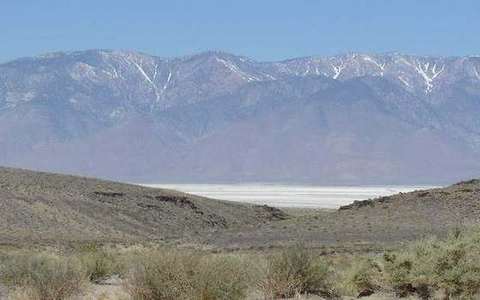 Rain shadow in the rain-shadow lab — a TERMS crop, not the glossary plate and not the lab cover. Dry region leeward of a barrier, after the air has already dropped water. Source: Wikimedia Commons / NASA / USGS / public domain.Wikimedia Commons / NASA / USGS / public domain
Windward
The upslope side that faces the incoming moist air.
 windward in the rain-shadow lab — a TERMS crop, not the glossary plate and not the lab cover. A TERMS crop, not the glossary plate and not the lab cover. Source: Wikimedia Commons / NASA / USGS / NOAA, public domain or CC.Wikimedia Commons / NASA / USGS / NOAA, public domain or CC
Leeward
The downslope side. Air descends, warms, dries.
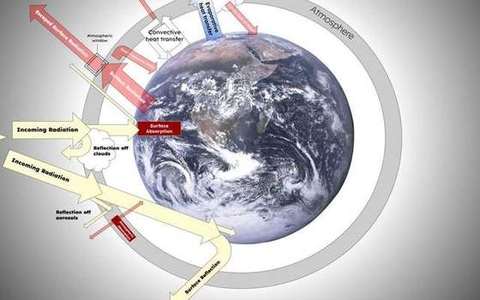 leeward in the rain-shadow lab — a TERMS crop, not the glossary plate and not the lab cover. A TERMS crop, not the glossary plate and not the lab cover. Source: Wikimedia Commons / NASA / USGS / NOAA, public domain or CC.Wikimedia Commons / NASA / USGS / NOAA, public domain or CC
Adiabatic cooling
A rising parcel expands and cools without heat being taken out by a fridge. School mechanism for cloud on the upslope.
 adiabatic cooling in the rain-shadow lab — a TERMS crop, not the glossary plate and not the lab cover. A TERMS crop, not the glossary plate and not the lab cover. Source: Wikimedia Commons / NASA / USGS / NOAA, public domain or CC.Wikimedia Commons / NASA / USGS / NOAA, public domain or CC
Föhn / chinook
Warm dry descent on the lee. A named wind, same machine.
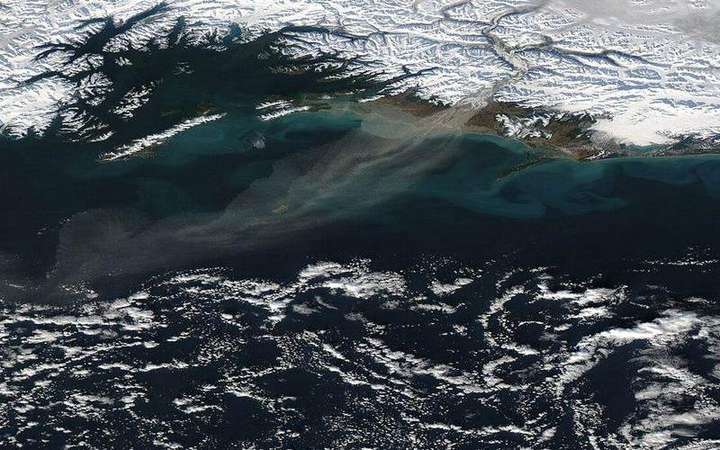 Föhn / chinook: a matching field photograph or official scientific figure. Warm dry descent on the lee. Source: Wikimedia Commons / NASA / USGS / public domain.Wikimedia Commons / NASA / USGS / public domain
Barrier
The ridge that forces the lift. Height matters. Geology of the rock does not, in this lab.
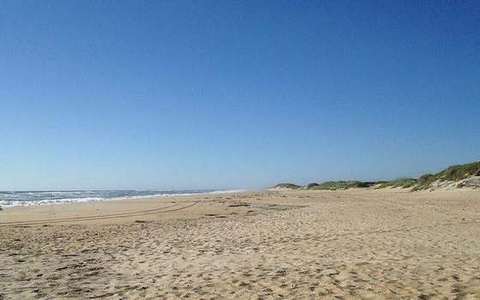 barrier in the rain-shadow lab — a TERMS crop, not the glossary plate and not the lab cover. A TERMS crop, not the glossary plate and not the lab cover. Source: Wikimedia Commons / NASA / USGS / NOAA, public domain or CC.Wikimedia Commons / NASA / USGS / NOAA, public domain or CC