 A savanna: climate as a plant formation. This is the classroom sense of climate-types: a named landform, process, or object. Source: Wikimedia Commons / NASA / USGS / NOAA, public domain or CC.Wikimedia Commons / NASA / USGS / NOAA, public domain or CC
Why this matters
Florida wet season versus UK Cfb versus Arizona BWh are the same legend with different tiles. London is roughly Cfb: temperate, no dry season, warm summer. Phoenix sits in a hot dry B climate where evaporation can beat rain. Florida’s humid tropical edge is an A-story with a wet season, not a postcard. GCSE climate and APES both need a map that is not a colouring book: letters tied to temperature and rainfall, then to a biome you can picture. If pupils think climate is the weather this week, one hot July makes the UK tropical and one Phoenix storm makes a rainforest. Köppen classifies the longer pattern. Weather is the day. Hold both sentences, then walk Cairngorm altitude as a hole punched in the London tile.
 A second photograph for the projector script — not the lab cover.Wikimedia Commons / NASA / USGS
The mechanism
Köppen letters start with a temperature family: A tropical, no real winter; B dry, where evaporation can beat rainfall; C temperate; D continental, hard winter; E polar. Second letters split rain: f no dry season, w dry winter, s dry summer, W desert, S steppe. London Cfb is mild, wet-enough all year, warm summer, not a Mediterranean Cs and not an Af rainforest. Phoenix BWh is hot desert. Florida’s peninsula runs humid subtropical toward tropical, with a wet season that is an ITCZ-and-convection story, not a Köppen forecast of next Tuesday. Plants are a slow rain-and-temperature instrument, which is why the globe is tiled with biomes: rainforest, desert, temperate forest, grassland, tundra. Boundaries are fuzzy. Mountains and coasts punch holes in the map. A Cairngorm plateau is not London’s Cfb written larger; altitude and snow change the tile. Denver’s mile-high steppe-edge is another hole. Köppen is a classification, not law at a school field, and not a GCM. Scrub the biome slider. For each tile ask rain or temperature first, then name the letter. One hot week does not move London into A.
How to drive the model
Orbit the globe of tiles. Space is quiet here; the drive is the Biome slider, 0 to 4, plus the keys the rest of TerraLens already taught. Arrow keys still nudge time if anything is walking. L hides labels; cover the letter and make them name tropical, dry, temperate, continental, polar. R resets the slider. P is projector. Click through London, Phoenix, a polar tile. Share the URL on Cfb, then on BWh, and ask what rain and temperature are doing before you reveal the postcard.
If the model will not spin
If JavaScript or WebGL dies, the 2D fallback still shows the tiles. Teach from the steps: A to E, then one biome on the bench, then classification not forecast. Check still asks what A is, why B is dry, what London is, and why Köppen is useful. Print the teacher script. The glossary still names Cfb, BWh, and continentality. You lose the 3D biome, not the reason one hot July does not make the UK tropical. A printed Köppen map can stand in for the globe; point at London, Phoenix, and Florida, and refuse the postcard.
Film
How do we Classify Climates? Crash Course Geography #13. Crash Course Geography. About 11 min. Crash Course / Complexly on YouTube. Standard YouTube licence. Educational embed, autoplay off. Autoplay off.
Misconceptions
Climate is the weather this week.
Climate is the longer pattern. Weather is the day. Köppen classifies the pattern.
The UK is tropical because one July is hot.
London is roughly Cfb. One hot week does not move the letter. Climate is the pattern, not the headline.
Köppen boundaries are sharp lines on the ground.
Boundaries are fuzzy. Mountains, coasts, and altitude punch holes. Not law at a school field.
Köppen
A climate classification using temperature and precipitation, often mapped to biomes.
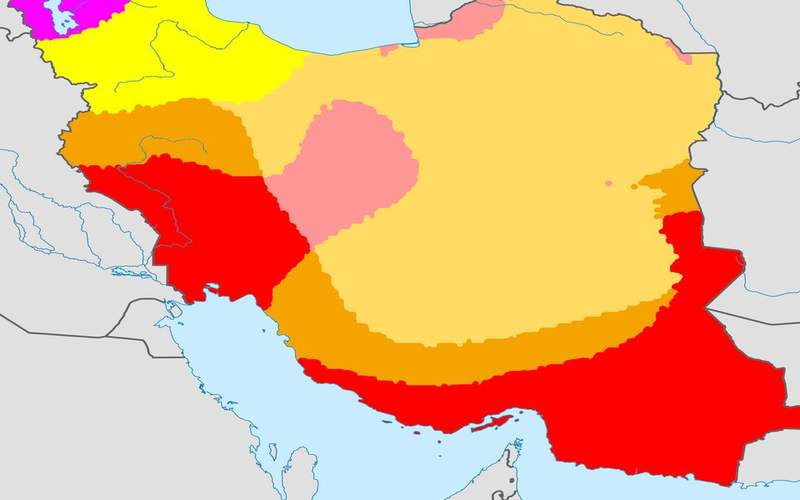 Köppen: a matching field photograph or official scientific figure. A climate classification using temperature and precipitation, often mapped to biomes. Source: Wikimedia Commons / NASA / USGS / public domain.Wikimedia Commons / NASA / USGS / public domain
Biome
A large-scale living landscape (rainforest, desert, tundra) written by climate plus more.
 Biome in the climate-types lab — a TERMS crop, not the glossary plate and not the lab cover. A large-scale living landscape (rainforest, desert, tundra) written by climate plus more. Source: Wikimedia Commons / NASA / USGS / public domain.Wikimedia Commons / NASA / USGS / public domain
Cfb
Temperate, no dry season, warm summer. London’s usual school letter, not a street verdict.
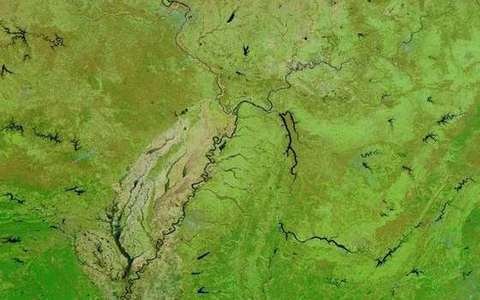 cfb in the climate-types lab — a TERMS crop, not the glossary plate and not the lab cover. A TERMS crop, not the glossary plate and not the lab cover. Source: Wikimedia Commons / NASA / USGS / NOAA, public domain or CC.Wikimedia Commons / NASA / USGS / NOAA, public domain or CC
BWh
Hot desert. Evaporation beats rainfall. Phoenix / Arizona desert in the school map.
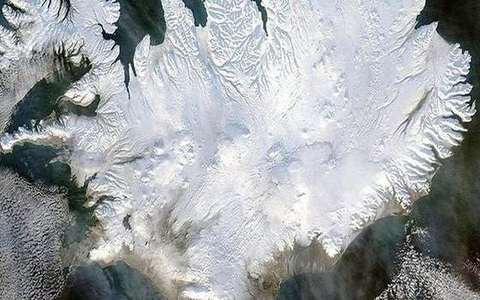 bwh in the climate-types lab — a TERMS crop, not the glossary plate and not the lab cover. A TERMS crop, not the glossary plate and not the lab cover. Source: Wikimedia Commons / NASA / USGS / NOAA, public domain or CC.Wikimedia Commons / NASA / USGS / NOAA, public domain or CC
Af
Tropical rainforest. No real winter, no dry season.
 af in the climate-types lab — a TERMS crop, not the glossary plate and not the lab cover. A TERMS crop, not the glossary plate and not the lab cover. Source: Wikimedia Commons / NASA / USGS / NOAA, public domain or CC.Wikimedia Commons / NASA / USGS / NOAA, public domain or CC
Continentality
How much a place’s temperature range is set by inland position rather than ocean.
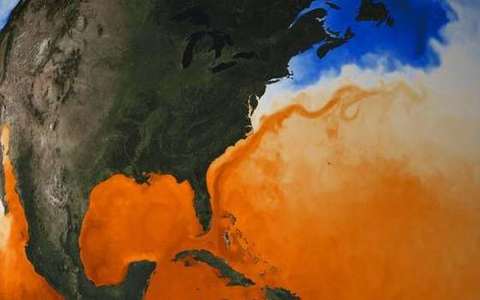 continentality in the climate-types lab — a TERMS crop, not the glossary plate and not the lab cover. A TERMS crop, not the glossary plate and not the lab cover. Source: Wikimedia Commons / NASA / USGS / NOAA, public domain or CC.Wikimedia Commons / NASA / USGS / NOAA, public domain or CC
Climate
The longer pattern of temperature and rain. Weather is the day.
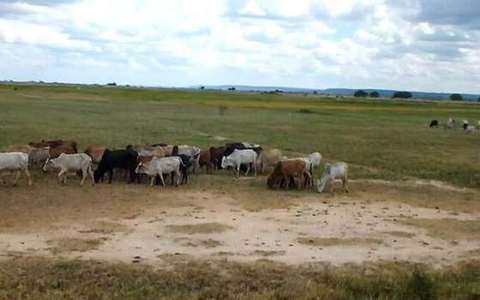 climate in the climate-types lab — a TERMS crop, not the glossary plate and not the lab cover. A TERMS crop, not the glossary plate and not the lab cover. Source: Wikimedia Commons / NASA / USGS / NOAA, public domain or CC.Wikimedia Commons / NASA / USGS / NOAA, public domain or CC