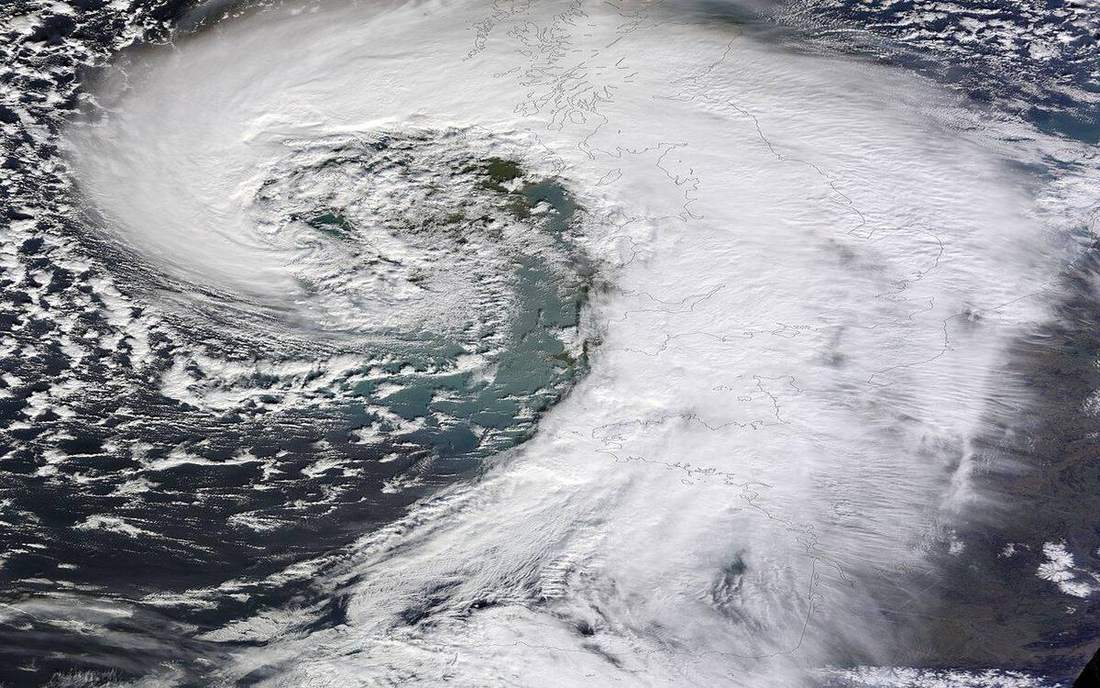
 An extratropical cyclone as a comma cloud. This is the classroom sense of cyclone-anticyclone: a named landform, process, or object. Source: Wikimedia Commons / NASA / USGS / NOAA, public domain or CC.Wikimedia Commons / NASA / USGS / NOAA, public domain or CC
Why this matters
Do not call a UK windy day a hurricane unless the Met Office does. A winter depression approaching London is a midlatitude cyclone: a low, a comma of fronts, anticlockwise in the northern hemisphere. An anticyclone is the other machine: high, clockwise, sinking, often clearer, and still able to sit a freezing fog over a British morning. Sandy is a hybrid caution, not a licence to mix the words. GCSE wants depression versus anticyclone and the spin. NGSS wants low versus high and why one rains. Phoenix heat is not this lab; Florida’s hurricane is a later engine. If pupils hear cyclone and see an eyewall, they will misread every Met Office chart. Name the family. Then name the member.
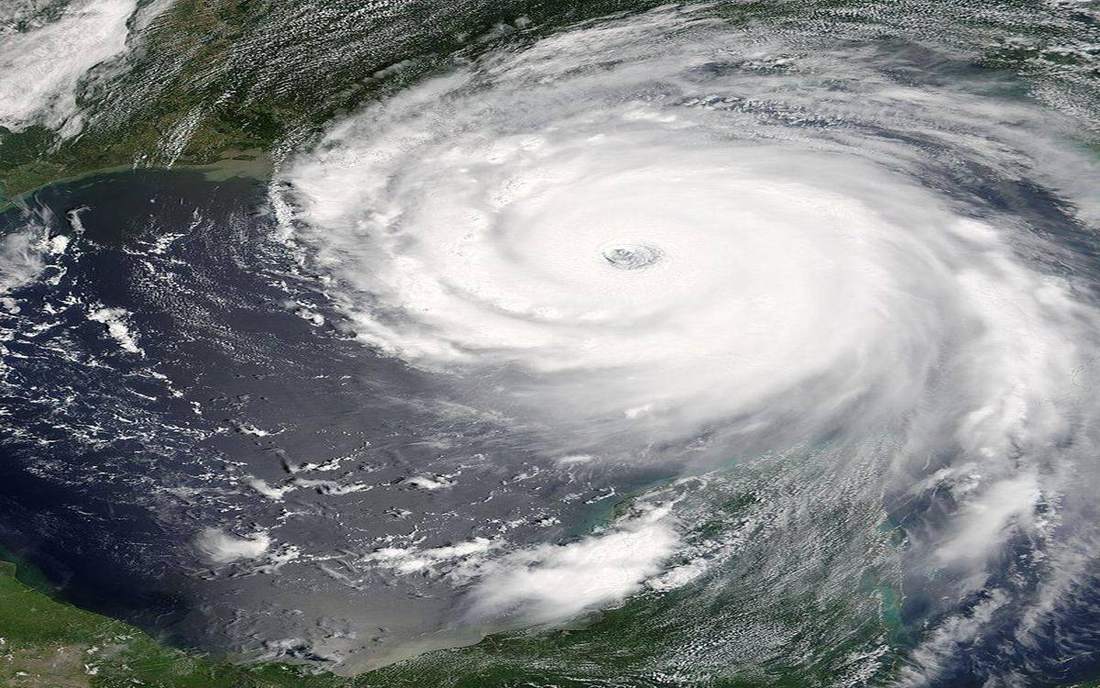 Field photograph or official scientific figure for teaching cyclone anticyclone. A second photograph for the projector script — not the lab cover. Source: Wikimedia Commons / NASA / USGS / NOAA, public domain or CC.Wikimedia Commons / NASA / USGS / NOAA, public domain or CC
The mechanism
In the northern hemisphere, air flows in toward a surface low and Coriolis deflects it right, so the cyclone spins anticlockwise. Fronts attach to that low as a comma: warm front, cold front, then occlusion as the system matures. That is a midlatitude cyclone, a depression in UK exam language, extra-tropical in adult charts. It is not a tropical cyclone. Tropical cyclones have an eye and an eyewall and live on warm ocean; they are a later lab. Toggle anticyclone and the centre is a high: air sinks, compresses, warms, and dries, so skies are often clearer, and the NH spin is clockwise. Sinking is not a guarantee of sunshine in a British winter anticyclone; fog and stratus can sit under the lid. Southern-hemisphere spin flips; do not mix the diagrams. Ask which one rains. The low, usually, if the fronts are working. A UK sea breeze is a local thermal loop, not a cyclone. Phoenix heat is a budget story, not a spinning comma. Keep the word cyclone as the family, then attach midlatitude or tropical so the third row cannot swap the machines.
How to drive the model
Leave Anticyclone off to start. Space plays the comma so the fronts rotate with the low. Arrow keys freeze a spoke for the board. L hides labels; ask for spin before you reveal. R resets the toggle. P is projector. Toggle Anticyclone on for the high, clockwise, sinking story, then off again so the depression is the default. Time is a process clock, not a year. Share the URL on the low, then on the high, and do not leave both stories unnamed when the class walks out.
If the model will not spin
If JavaScript or WebGL dies, the 2D fallback still shows a low and a high. Teach from the steps: anticlockwise comma with fronts, then the anticyclone. Check still names northern-hemisphere spin, sinking under a high, and why a UK depression is not a hurricane. Print the teacher script. The glossary still carries depression, comma cloud, and extra-tropical. You lose the rotating comma, not the vocabulary. A Met Office chart can stand in for the canvas; point at the low, then at the high, and refuse the word hurricane unless it is earned.
Film
Natural Hazards: Crash Course Geography #24. Crash Course Geography. About 11 min. Crash Course / Complexly on YouTube. Standard YouTube licence. Educational embed, autoplay off. Autoplay off.
Misconceptions
Cyclone means hurricane.
Cyclone is the family. Tropical cyclone is one member. Midlatitude depressions are another.
High pressure always means sunshine.
Sink, compress, warm, dry: often clearer. A British winter anticyclone can still sit fog and stratus under the lid.
Northern- and southern-hemisphere cyclones spin the same way.
NH cyclone anticlockwise, SH cyclone clockwise. Flip the hemisphere and the diagram must flip.
Cyclone
Low-pressure system. Midlatitude: fronts. Tropical: eye and eyewall, a later lab.
 cyclone in the cyclone-anticyclone lab — a TERMS crop, not the glossary plate and not the lab cover. A TERMS crop, not the glossary plate and not the lab cover. Source: Wikimedia Commons / NASA / USGS / NOAA, public domain or CC.Wikimedia Commons / NASA / USGS / NOAA, public domain or CC
Anticyclone
High-pressure system. Sinking air, often clearer, not a sunshine guarantee in winter fog.
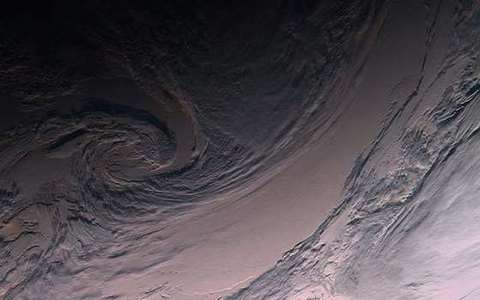 Anticyclone in the cyclone-anticyclone lab — a TERMS crop, not the glossary plate and not the lab cover. High-pressure system. Source: Wikimedia Commons / NASA / USGS / public domain.Wikimedia Commons / NASA / USGS / public domain
Depression
UK exam name for a midlatitude cyclone.
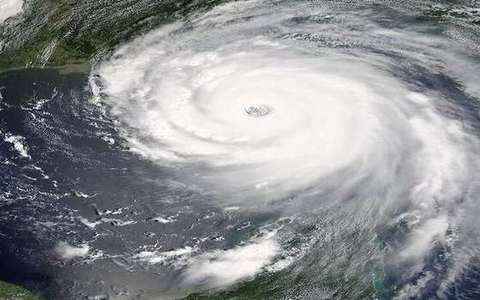 depression in the cyclone-anticyclone lab — a TERMS crop, not the glossary plate and not the lab cover. A TERMS crop, not the glossary plate and not the lab cover. Source: Wikimedia Commons / NASA / USGS / NOAA, public domain or CC.Wikimedia Commons / NASA / USGS / NOAA, public domain or CC
Convergence
Air flowing together. At a surface low it feeds rise.
 convergence in the cyclone-anticyclone lab — a TERMS crop, not the glossary plate and not the lab cover. A TERMS crop, not the glossary plate and not the lab cover. Source: Wikimedia Commons / NASA / USGS / NOAA, public domain or CC.Wikimedia Commons / NASA / USGS / NOAA, public domain or CC
Divergence
Air spreading apart. Aloft over a low, or at the surface of a high.
 divergence in the cyclone-anticyclone lab — a TERMS crop, not the glossary plate and not the lab cover. A TERMS crop, not the glossary plate and not the lab cover. Source: Wikimedia Commons / NASA / USGS / NOAA, public domain or CC.Wikimedia Commons / NASA / USGS / NOAA, public domain or CC
Comma cloud
The satellite signature of a mature midlatitude cyclone, fronts on the tail.
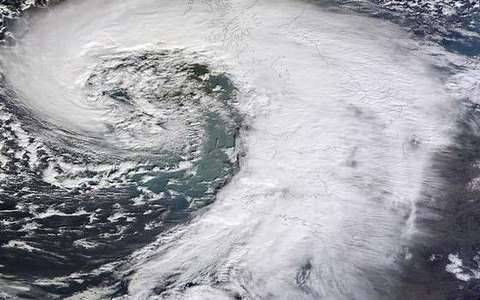 Comma cloud in the cyclone-anticyclone lab — a TERMS crop, not the glossary plate and not the lab cover. The satellite signature of a mature midlatitude cyclone, fronts on the tail. Source: Wikimedia Commons / NASA / USGS / public domain.Wikimedia Commons / NASA / USGS / public domain
Extra-tropical
Outside the tropics. A midlatitude depression is extra-tropical; a hurricane is not.