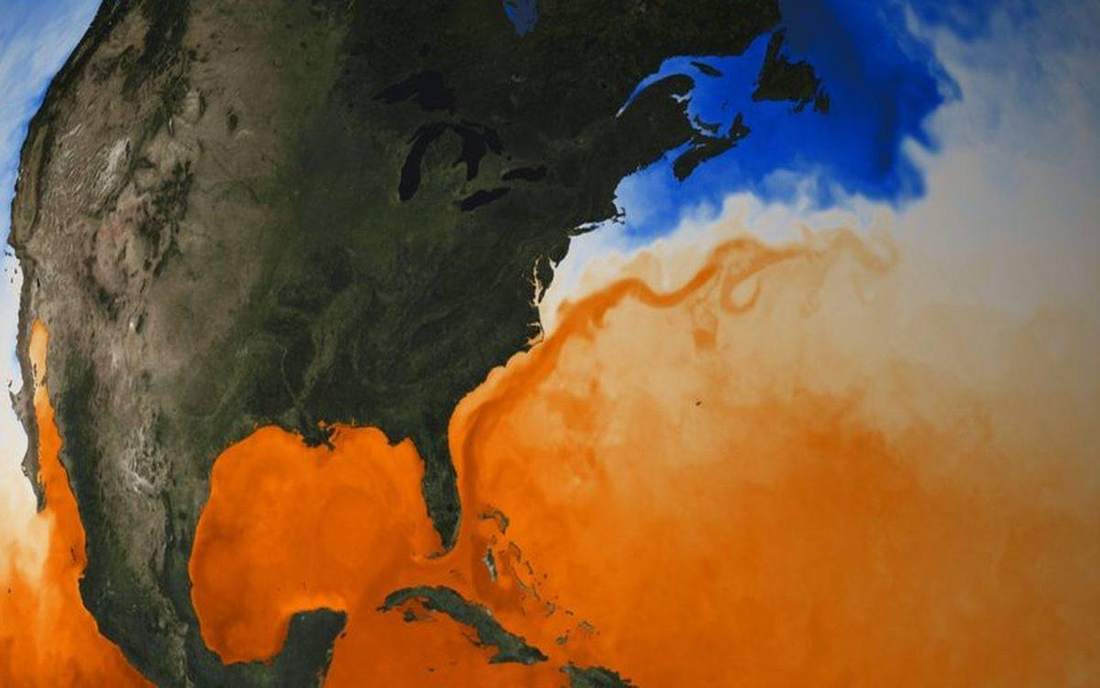
 An ophiolite: seafloor parked on land. The opening and closing of ocean basins, named for Tuzo Wilson. Source: Wikimedia Commons / NASA / USGS / NOAA, public domain or CC.Wikimedia Commons / NASA / USGS / NOAA, public domain or CC
Why this matters
Scotland’s Caledonian mountains and the US Appalachians are not two mysteries. They are one old ocean that opened and shut, then weathered. Today’s Atlantic is the open chapter of the same play. A-level tectonics and HS-ESS2 want the cycle as a process you can scrub, not a named era to memorise. If Pangaea is taught as a one-off, the next collision is a surprise.
 Field photograph or official scientific figure for teaching wilson cycle. A second photograph for the projector script — not the lab cover. Source: Wikimedia Commons / NASA / USGS / NOAA, public domain or CC.Wikimedia Commons / NASA / USGS / NOAA, public domain or CC
The mechanism
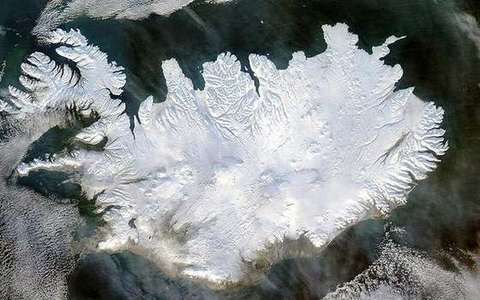
Input is time, in stages. A continent rifts — East African flavour, but this is a teaching strip. Ocean crust is born at a ridge; the basin widens. One margin can become a trench; the ocean starts to close. Collision stacks crust; a mountain belt. Erosion and isostasy then wear it. What moves: the stage. What does not: the menu of jobs from the plate-boundaries lab. What is conserved: lithosphere created and later destroyed. The lie: six clean stages, no microplates, a straight strip not a sphere. Real Wilson cycles overlap. Real Caledonian–Appalachian geometry is a puzzle of terranes. This lab is the loop, not the map. Iceland is today’s ridge, not a collision. Himalaya is collision now. The UK rides a quiet margin of a still-opening Atlantic.
How to drive the model
Scrub Stage from rift to collision. Pause on ocean. Point at Iceland as that chapter. Pause on collision. Caledonides, Appalachians. Keyboard: arrows on the stage, L, R, P. Do not skip a stage. Name the job at each stop before the place.
If the model will not spin
Without the canvas: oceans open and close. Rift, ocean, trench, collision, wear. Caledonides and Appalachians are a closed ocean’s scar. The Atlantic is still opening. Iceland is a ridge. Himalaya is collision. Pangaea was a gathering, not the only one. That is enough for Check.
Film
What is Plate Tectonics: Crash Course Geology #10. Crash Course Geology. About 10 min. Crash Course Geology / Complexly on YouTube. Standard YouTube licence. Educational embed, autoplay off. Autoplay off.
Misconceptions
Pangaea was the only time continents gathered, and the Atlantic will stay.
Oceans open and close. The Caledonides already did this play.
Mountains are just wrinkled crust with no ocean in their past.
Collision belts often close an ocean first.
Iceland is a collision orogeny.
Iceland is a ridge on an opening ocean.
Wilson cycle
The opening and closing of ocean basins, named for Tuzo Wilson.
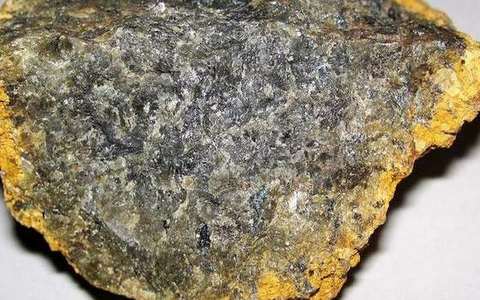 Wilson cycle in the wilson-cycle lab — a TERMS crop, not the glossary plate and not the lab cover. The opening and closing of ocean basins, named for Tuzo Wilson. Source: Wikimedia Commons / NASA / USGS / public domain.Wikimedia Commons / NASA / USGS / public domain
Rift
A continent splitting. The birth of an ocean.
 Rift in the wilson-cycle lab — a TERMS crop, not the glossary plate and not the lab cover. A continent splitting. Source: Wikimedia Commons / NASA / USGS / public domain.Wikimedia Commons / NASA / USGS / public domain
Passive margin
A quiet continent–ocean edge after rifting, like much of the modern Atlantic.
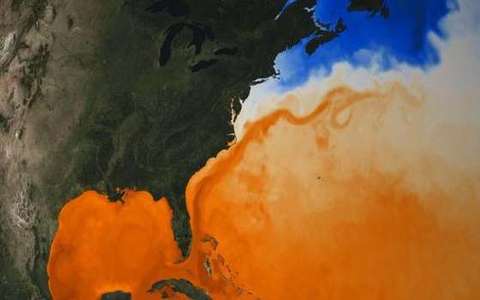 passive margin in the wilson-cycle lab — a TERMS crop, not the glossary plate and not the lab cover. A TERMS crop, not the glossary plate and not the lab cover. Source: Wikimedia Commons / NASA / USGS / NOAA, public domain or CC.Wikimedia Commons / NASA / USGS / NOAA, public domain or CC
Orogeny
A mountain-building episode, often from collision.
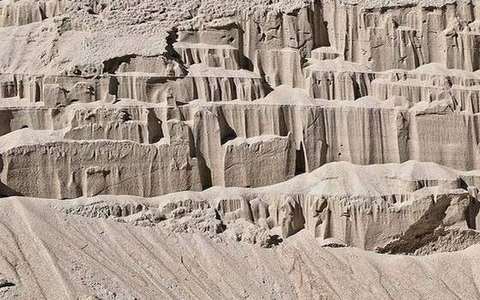 orogeny in the wilson-cycle lab — a TERMS crop, not the glossary plate and not the lab cover. A TERMS crop, not the glossary plate and not the lab cover. Source: Wikimedia Commons / NASA / USGS / NOAA, public domain or CC.Wikimedia Commons / NASA / USGS / NOAA, public domain or CC
Caledonides
Palaeozoic collision belt through Scotland and Norway. Pair of the Appalachians.
 caledonides in the wilson-cycle lab — a TERMS crop, not the glossary plate and not the lab cover. A TERMS crop, not the glossary plate and not the lab cover. Source: Wikimedia Commons / NASA / USGS / NOAA, public domain or CC.Wikimedia Commons / NASA / USGS / NOAA, public domain or CC
Appalachians
The North American scar of that same old ocean’s close.
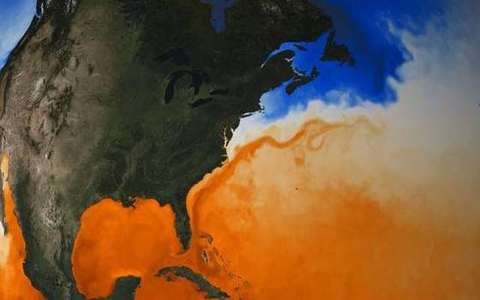 appalachians in the wilson-cycle lab — a TERMS crop, not the glossary plate and not the lab cover. A TERMS crop, not the glossary plate and not the lab cover. Source: Wikimedia Commons / NASA / USGS / NOAA, public domain or CC.Wikimedia Commons / NASA / USGS / NOAA, public domain or CC
Terrane
A crustal piece with its own history, later stitched on. This lab omits them on purpose.
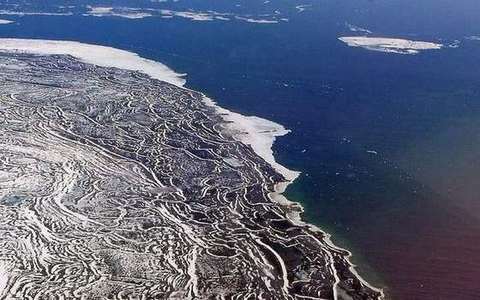 terrane in the wilson-cycle lab — a TERMS crop, not the glossary plate and not the lab cover. A TERMS crop, not the glossary plate and not the lab cover. Source: Wikimedia Commons / NASA / USGS / NOAA, public domain or CC.Wikimedia Commons / NASA / USGS / NOAA, public domain or CC