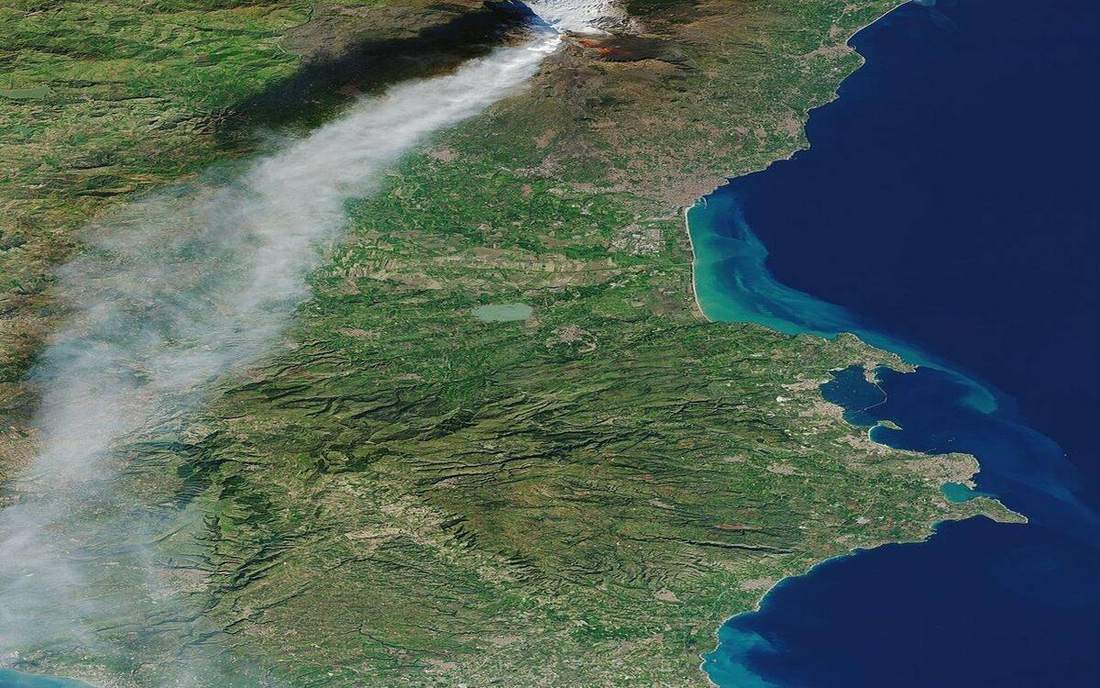
 A steep stratovolcano cone. This is the classroom sense of volcanoes: a named landform, process, or object. Source: Wikimedia Commons / NASA / USGS / NOAA, public domain or CC.Wikimedia Commons / NASA / USGS / NOAA, public domain or CC
Why this matters
Viscosity is the plot, not ‘bigger boom’ as a personality trait. Hawaii’s Mauna Loa and Kīlauea are shields: low-viscosity basalt, long flows, gentle slopes on a hotspot under an oceanic plate. Cascadia’s arc — St Helens, Rainier, Hood — is the sticky end-member: water from the slab, andesite and dacite, layers of lava and ash, steep cones. Iceland sits on the Mid-Atlantic Ridge plus a plume: usually basalt fissures you can walk at places like Thingvellir, and occasional explosive events when ice and evolved magma meet, as in Eyjafjallajökull 2010. GCSE AQA 3.1.1.3 and NGSS want that contrast without a league table of famous eruptions. San Andreas does not make this chain; it slides. Katrina and Sandy are a different hazard. One slider, three shapes: shield, strato, rift. UK students meet these as named case studies, not as a local cone. The chemistry and the gas decide the slope. The poster that says all volcanoes explode has already failed the lab.
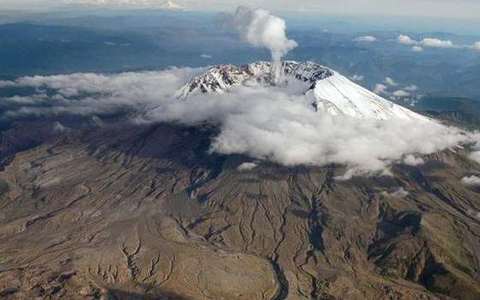
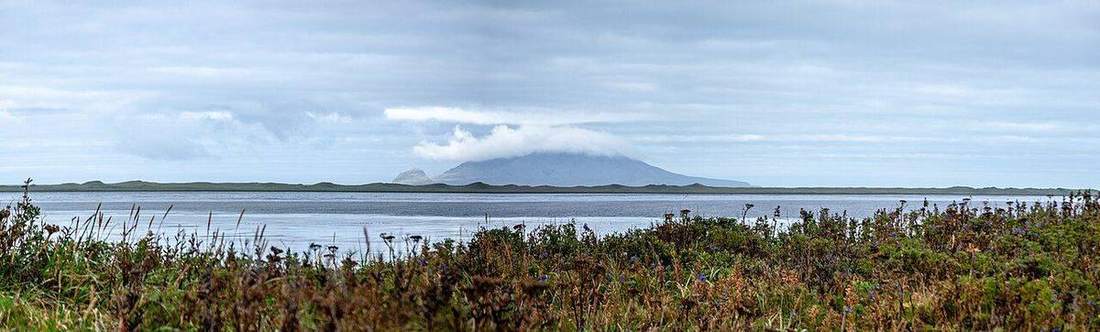 A second photograph for the projector script — not the lab cover.Wikimedia Commons / NASA / USGS
The mechanism
Magma is silicate liquid plus crystals plus dissolved gas. Viscosity is resistance to flow. Low silica, hot, crystal-poor basalt is runny: gas escapes, lava travels far, the edifice spreads into a shield. High silica, cooler, stickier melts hold gas. Pressure builds, fragmentation makes ash, and the cone steepens as lava and pyroclasts stack: a stratovolcano, a composite cone. A divergent boundary can skip the cone and erupt along a fissure — Iceland’s ridge habit, not a cartoon cube. Hotspot versus arc versus ridge is the setting; viscosity is still the plot inside the conduit. Water from a subducting slab lowers melting point in the mantle wedge and tends to give the Cascades their sticky, explosive character. A plume under ocean crust, Hawaii, tends to give basalt. Ice on a central volcano can add ash even when the ridge itself is basaltic. Supervolcano headlines are not a course. Yellowstone is a continental hotspot, a different lab. Here the crater and channel stay while the slope steepens as you raise the slider. Ask why sticky explodes and runny pours. That question is the mechanism.
How to drive the model
Leave Viscosity low. This is a shield: a crater, a wide slope, low-viscosity basalt. Drop it further and a fissure opens — Iceland’s habit, not a cube. Raise the slider. The same conduit steepens into a stratovolcano. Keep going and an ash column appears only because the melt is sticky. Slice or step to the conduit: magma is a path, not a random cone. Name Hawaii, Iceland, Cascades after the shapes, not before. Orbit. Then sit down in Check.
If the model will not spin
Without the canvas viscosity is still the plot. Shield volcanoes: low-viscosity basalt, long flows, gentle slopes — Hawaii. Stratovolcanoes: stickier, gassier magma, layers of lava and ash, steep cones — Cascadia’s arc. A rift eruption can be a basalt fissure at a divergent boundary — Iceland. Not all volcanoes explode. Basalt often pours. Explosions need gas and stickiness. San Andreas is a slide, not this chain. One slider, three shapes. Do not teach supervolcano headlines as the whole course. Viscosity still decides the shape.
Film
What Are Volcanoes? Crash Course Geography #20. Crash Course Geography. About 13 min. Crash Course / Complexly on YouTube. Standard YouTube licence. Educational embed, autoplay off. Autoplay off.
Misconceptions
All volcanoes explode.
Basalt often pours. Explosions need gas and stickiness.
Bigger volcano means bigger boom.
Viscosity and gas set the style. Shields can be huge and quiet-ish.
Every volcano sits on the Ring of Fire.
Hawaii is a hotspot. Iceland is a ridge plus a plume.
Viscosity
Resistance to flow. High viscosity plus gas makes explosive eruptions more likely.
 viscosity in the volcanoes lab — a TERMS crop, not the glossary plate and not the lab cover. A TERMS crop, not the glossary plate and not the lab cover. Source: Wikimedia Commons / NASA / USGS / NOAA, public domain or CC.Wikimedia Commons / NASA / USGS / NOAA, public domain or CC
Shield volcano
Broad, gentle edifice from low-viscosity basalt. Mauna Loa type.
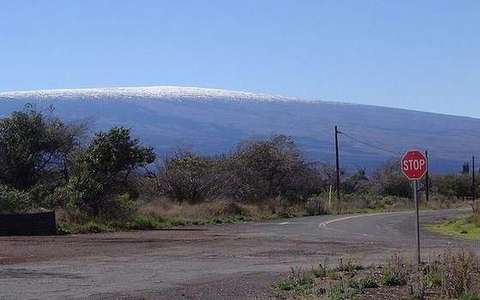 Shield volcano in the volcanoes lab — a TERMS crop, not the glossary plate and not the lab cover. Broad, gentle edifice from low-viscosity basalt. Source: Wikimedia Commons / NASA / USGS / public domain.Wikimedia Commons / NASA / USGS / public domain
Stratovolcano
Steep cone of lava and ash from stickier magma. Cascades type.
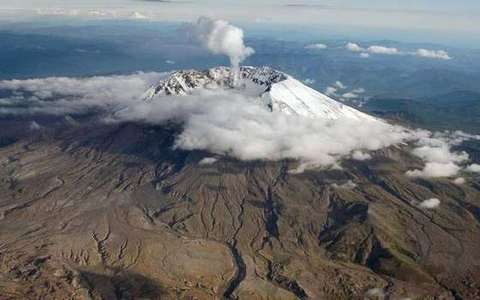 Stratovolcano in the volcanoes lab — a TERMS crop, not the glossary plate and not the lab cover. Steep cone of lava and ash from stickier magma. Source: Wikimedia Commons / NASA / USGS / public domain.Wikimedia Commons / NASA / USGS / public domain
Fissure eruption
Magma erupting along a crack, often basalt at a rift. Iceland habit.
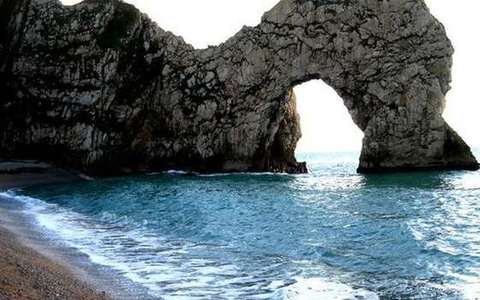 fissure eruption in the volcanoes lab — a TERMS crop, not the glossary plate and not the lab cover. A TERMS crop, not the glossary plate and not the lab cover. Source: Wikimedia Commons / NASA / USGS / NOAA, public domain or CC.Wikimedia Commons / NASA / USGS / NOAA, public domain or CC
Basalt
Low-silica, typically runny lava. Builds shields and many rift flows.
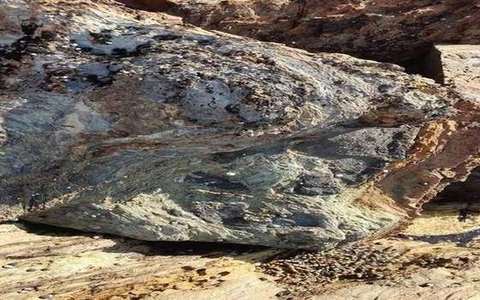 basalt in the volcanoes lab — a TERMS crop, not the glossary plate and not the lab cover. A TERMS crop, not the glossary plate and not the lab cover. Source: Wikimedia Commons / NASA / USGS / NOAA, public domain or CC.Wikimedia Commons / NASA / USGS / NOAA, public domain or CC
Conduit
The path magma takes through the edifice. Not a random cone.
 conduit in the volcanoes lab — a TERMS crop, not the glossary plate and not the lab cover. A TERMS crop, not the glossary plate and not the lab cover. Source: Wikimedia Commons / NASA / USGS / NOAA, public domain or CC.Wikimedia Commons / NASA / USGS / NOAA, public domain or CC
Pyroclastic
Fragmented material from explosive eruption: ash, pumice, blocks.
 pyroclastic in the volcanoes lab — a TERMS crop, not the glossary plate and not the lab cover. A TERMS crop, not the glossary plate and not the lab cover. Source: Wikimedia Commons / NASA / USGS / NOAA, public domain or CC.Wikimedia Commons / NASA / USGS / NOAA, public domain or CC