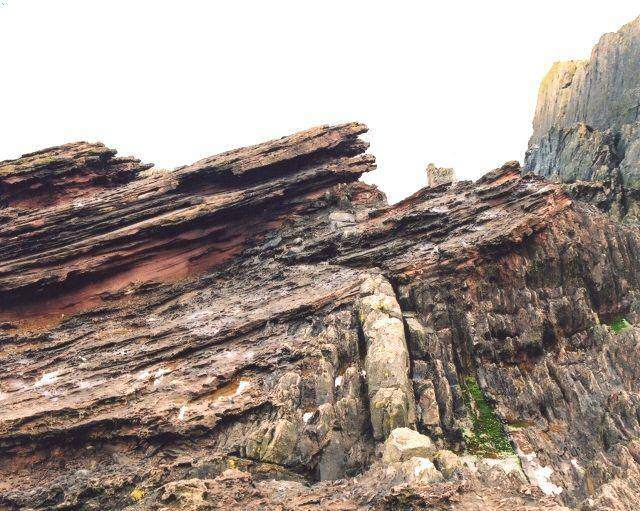
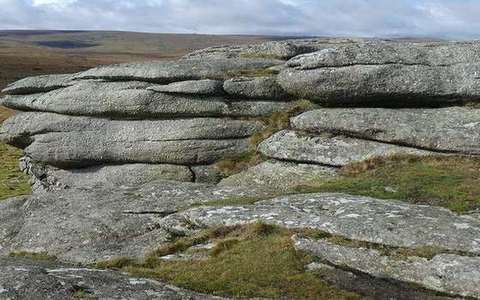
 Depth is time in rock.Wikimedia Commons, CC BY-SA
Why this matters
Grand Canyon walls are rock age. The hole is younger. That sentence is the whole fieldwork. Snowdonia’s slates are old; the path you walk is not 4500 Ma. Holderness till is a blink. Mississippi mud is a blink. Deep time is humility with a number, and the number is Ma — million years — not a school calendar of equal boxes. UK GCSE charts that give the Mesozoic as much wall as the Precambrian are the trap. US park signs that make dinosaurs and people neighbours are the same trap. Kola is a 12 km scratch. The Canyon visor is a young cut in old rock. Place a few honest marks: Earth forms, Cambrian, Pangaea, K–Pg, now. Life is a mark on the coil, not a cartoon parade. Humans are a hair at the end. Say that before anyone asks for us beside the dinosaurs.
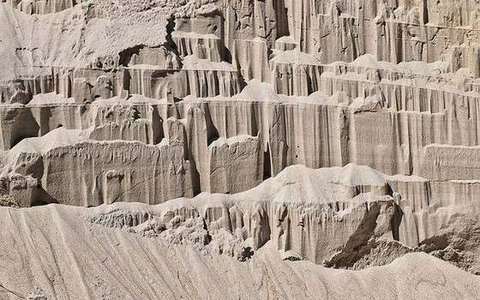
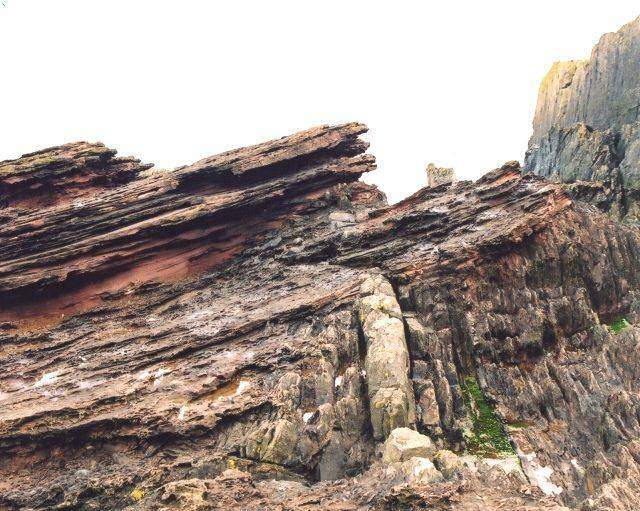 A second photograph for the projector script — not the lab cover.Wikimedia Commons / NASA / USGS
The mechanism
Input is Time before present, 0 to 4500 Ma. The coil is a log spiral so the late marks can still be seen. Linear time would crush Cambrian-to-now into a speck. What moves: the bead on the coil, the readout in Ma or ka. What does not: the order of the marks, the fact that 4500 Ma is Earth’s start on this diagram, the fact that humans are last. What is conserved: sequence, not equal spacing. Pangaea sits in the last few hundred Ma, late Palaeozoic to Mesozoic, not at Earth’s birth. Cambrian is about 540 Ma. K–Pg is 66 Ma. Now is a hair. The lie the model tells: a pretty helix, a fat bead, marks you could trip over. Real duration is not a staircase of equal treads. Equal-length era boxes on a wall chart are the other lie. The spiral is still a drawing. It is a better drawing than the boxes. Units stay Ma. Do not switch to biblical calendars, Hollywood timelines, or a parade of animals walking left to right as if time were a road.
How to drive the model
Drag Time before present from 4500 Ma to 0. Space still walks the coil. Arrows nudge it. L labels. R reset. P projector. No explode, no slice. Pause at Pangaea. Pause at K–Pg. Ask where humans go before you reveal the hair. If the class treats the boxes on their wall as equal, put the spiral next to that poster and let the lengths argue. Names on the marks, not a cartoon parade. The slider is labelled Time before present, units Ma. Walk slowly through the last 500 Ma so the hair at the end can be seen.
If the model will not spin
If the spiral will not turn, keep the marks. Earth about 4500 Ma. Cambrian about 540 Ma. Pangaea in the last few hundred Ma, not at the start. K–Pg at 66 Ma. Humans a hair at the end. Ma means million years. Equal boxes on a wall chart lie. Grand Canyon walls are old rock; the hole is younger. That is enough to sit Check on paper, and enough to refuse a dinosaur-and-human handshake. Without the 3D view, a student should still place those five marks in order and still refuse equal boxes.
Film
What Are Rocks and How Do They Form? Crash Course Geography #17. Crash Course Geography. About 11 min. Crash Course / Complexly on YouTube. Standard YouTube licence. Educational embed, autoplay off. Autoplay off.
Misconceptions
Dinosaurs and humans overlap on a wall chart of equal boxes.
Boxes lie. The spiral does not.
Pangaea is how Earth started.
Pangaea is late. 4500 Ma is the birth mark. Supercontinents come and go.
The Grand Canyon hole is as old as the rock in the walls.
Walls are rock age. The hole is younger. Deep time is not one number for both.
Ma
Mega-annum: million years ago. The unit on this spiral. Not minutes, not metres.
 ma in the geologic-time lab — a TERMS crop, not the glossary plate and not the lab cover. A TERMS crop, not the glossary plate and not the lab cover. Source: Wikimedia Commons / NASA / USGS / NOAA, public domain or CC.Wikimedia Commons / NASA / USGS / NOAA, public domain or CC
ka
Thousand years ago. The readout may drop into ka near the hair of now.
 ka in the geologic-time lab — a TERMS crop, not the glossary plate and not the lab cover. A TERMS crop, not the glossary plate and not the lab cover. Source: Wikimedia Commons / NASA / USGS / NOAA, public domain or CC.Wikimedia Commons / NASA / USGS / NOAA, public domain or CC
Deep time
Earth history at geologic scale. A spiral, not a school calendar.
 deep time in the geologic-time lab — a TERMS crop, not the glossary plate and not the lab cover. A TERMS crop, not the glossary plate and not the lab cover. Source: Wikimedia Commons / NASA / USGS / NOAA, public domain or CC.Wikimedia Commons / NASA / USGS / NOAA, public domain or CC
Pangaea
Late Palaeozoic–Mesozoic supercontinent. A mark in the last few hundred Ma, not Earth’s starting position.
 pangaea in the geologic-time lab — a TERMS crop, not the glossary plate and not the lab cover. A TERMS crop, not the glossary plate and not the lab cover. Source: Wikimedia Commons / NASA / USGS / NOAA, public domain or CC.Wikimedia Commons / NASA / USGS / NOAA, public domain or CC
Cambrian
About 540 Ma. A mark for early animal diversity, not the start of the planet.
 cambrian in the geologic-time lab — a TERMS crop, not the glossary plate and not the lab cover. A TERMS crop, not the glossary plate and not the lab cover. Source: Wikimedia Commons / NASA / USGS / NOAA, public domain or CC.Wikimedia Commons / NASA / USGS / NOAA, public domain or CC
K–Pg
About 66 Ma. End-Cretaceous. Not the end of time, and not where humans begin.
 k pg in the geologic-time lab — a TERMS crop, not the glossary plate and not the lab cover. A TERMS crop, not the glossary plate and not the lab cover. Source: Wikimedia Commons / NASA / USGS / NOAA, public domain or CC.Wikimedia Commons / NASA / USGS / NOAA, public domain or CC
Log spiral
A coil that gives late marks room. Linear time would crush the Phanerozoic into a speck.
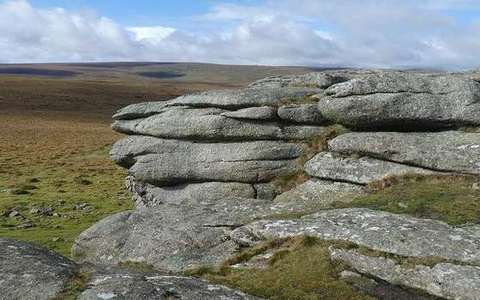 log spiral in the geologic-time lab — a TERMS crop, not the glossary plate and not the lab cover. A TERMS crop, not the glossary plate and not the lab cover. Source: Wikimedia Commons / NASA / USGS / NOAA, public domain or CC.Wikimedia Commons / NASA / USGS / NOAA, public domain or CC
Precambrian
Most of the coil: from Earth’s start to the Cambrian. Wall charts usually under-draw it.
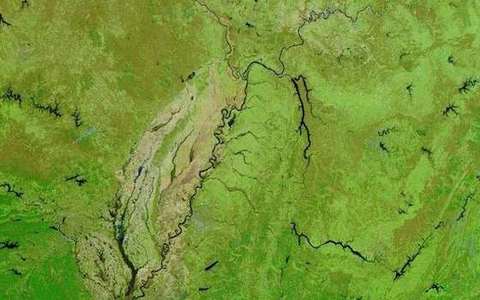 precambrian in the geologic-time lab — a TERMS crop, not the glossary plate and not the lab cover. A TERMS crop, not the glossary plate and not the lab cover. Source: Wikimedia Commons / NASA / USGS / NOAA, public domain or CC.Wikimedia Commons / NASA / USGS / NOAA, public domain or CC