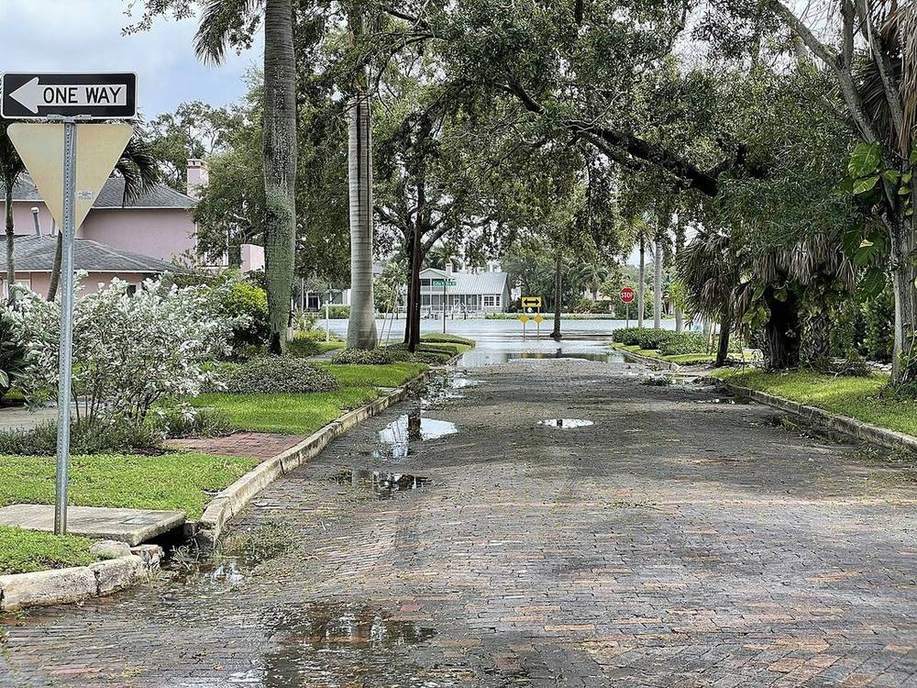
 Wind piled on a shallow shelf.NOAA, public domain
Why this matters
January 1953: a North Sea storm, a surge, Canvey and the Netherlands. August 2005: Katrina, a Gulf shelf, a surge into New Orleans. GCSE flooding and NGSS hazards mix surge and tsunami until a class calls every wall of water an earthquake. This lab is wind on a shelf. The tsunami lab is seafloor slip. If you cannot tell them apart, you will fail the ‘what to do’ question as well as the physics.
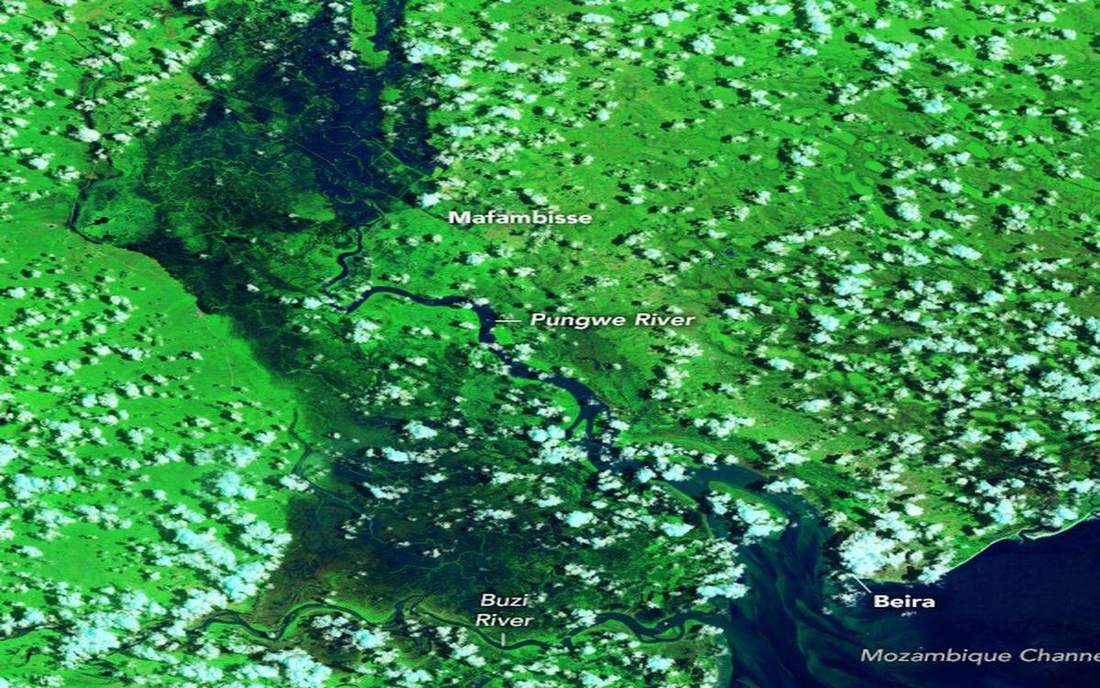 Field photograph or official scientific figure for teaching storm surge. A second photograph for the projector script — not the lab cover. Source: Wikimedia Commons / NASA / USGS / NOAA, public domain or CC.Wikimedia Commons / NASA / USGS / NOAA, public domain or CC
The mechanism
Input is wind toward a shallow coast, and a low-pressure lift. Water is pushed and piled; the shelf makes a wall because it is shallow. Tide can add. What moves: the sea surface, piled against the land. What does not: the seafloor. What is conserved: the water — it came from the basin, piled here. The lie: one wind arrow, a rectangular shelf, no barrier islands. Real 1953 had a surge on a high tide. Real Katrina had levees and a bowl. This lab isolates wind setup. A tsunami is fast in deep water and stands up at the coast because the seafloor moved. Different starting sentence. Colour-blind safe: we do not encode ‘danger’ as red versus green only; the pile height is the readout.
How to drive the model
Point at the shelf. Wind toward the coast. Raise wind. Watch the pile. Keyboard: Space, L, R, P, wind slider. Say out loud: the floor did not slip. Send them to the tsunami lab for the other machine. Ask which one you can forecast from a weather map.
If the model will not spin
Without the canvas: storm surge is wind and low pressure piling water on a shallow shelf. Tsunami is seafloor slip. 1953 North Sea; Katrina on the Gulf. Tides can add. The floor stays put in a surge. That is enough for Check, and enough to refuse ‘every flood is a tsunami’.
Film
What Are the Different Types of Cyclones? Crash Course Geography #12. Crash Course Geography. About 11 min. Crash Course / Complexly on YouTube. Standard YouTube licence. Educational embed, autoplay off. Autoplay off.
Misconceptions
Every sudden coastal flood is a tsunami.
A surge is wind on a shelf. A tsunami is a moved seafloor. Forecasts and drills differ.
Surge is just big wind waves.
Waves ride on top. The surge is the still-water pile.
Deep water makes a bigger surge.
A shallow shelf is what lets the pile stand up.
Storm surge
Wind-driven pile-up of water, plus low pressure, on a shallow coast.
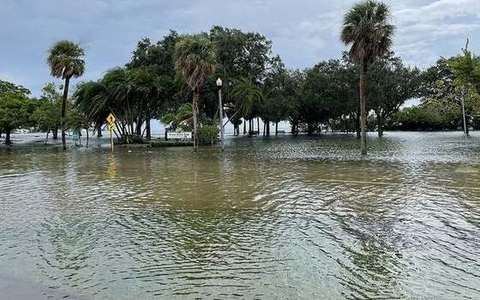 Storm surge in the storm-surge lab — a TERMS crop, not the glossary plate and not the lab cover. Wind-driven pile-up of water, plus low pressure, on a shallow coast. Source: Wikimedia Commons / NASA / USGS / public domain.Wikimedia Commons / NASA / USGS / public domain
Wind setup
The slope of the sea surface forced by wind stress.
 wind setup in the storm-surge lab — a TERMS crop, not the glossary plate and not the lab cover. A TERMS crop, not the glossary plate and not the lab cover. Source: Wikimedia Commons / NASA / USGS / NOAA, public domain or CC.Wikimedia Commons / NASA / USGS / NOAA, public domain or CC
Inverse barometer
Low pressure lets the sea surface rise a little. Wind usually does more.
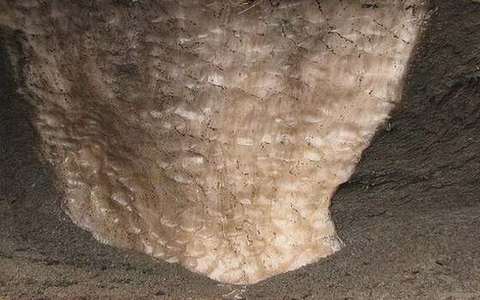 inverse barometer in the storm-surge lab — a TERMS crop, not the glossary plate and not the lab cover. A TERMS crop, not the glossary plate and not the lab cover. Source: Wikimedia Commons / NASA / USGS / NOAA, public domain or CC.Wikimedia Commons / NASA / USGS / NOAA, public domain or CC
Shelf
Shallow seafloor beside a continent. It lets a surge stand up.
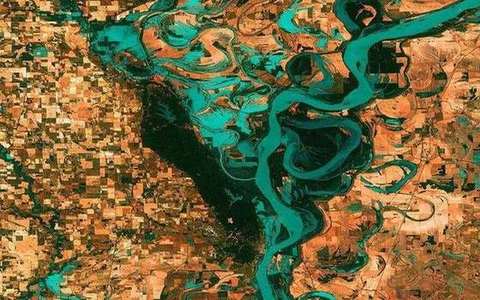 shelf in the storm-surge lab — a TERMS crop, not the glossary plate and not the lab cover. A TERMS crop, not the glossary plate and not the lab cover. Source: Wikimedia Commons / NASA / USGS / NOAA, public domain or CC.Wikimedia Commons / NASA / USGS / NOAA, public domain or CC
Tsunami
A wave from a sudden water-column shift, often seafloor slip. A different lab.
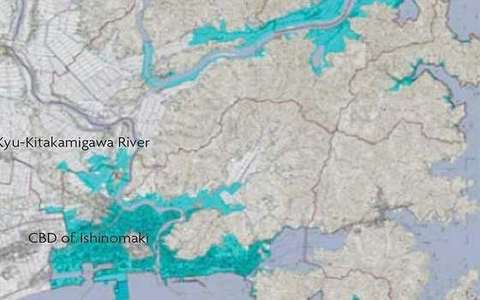 Tsunami in the storm-surge lab — a TERMS crop, not the glossary plate and not the lab cover. A wave from a sudden water-column shift, often seafloor slip. Source: Wikimedia Commons / NASA / USGS / public domain.Wikimedia Commons / NASA / USGS / public domain
Still-water flood
The surge height before wind waves are added on top.
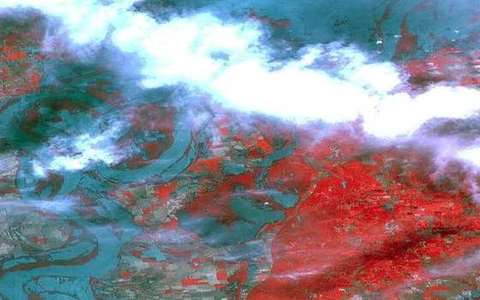 still water flood in the storm-surge lab — a TERMS crop, not the glossary plate and not the lab cover. A TERMS crop, not the glossary plate and not the lab cover. Source: Wikimedia Commons / NASA / USGS / NOAA, public domain or CC.Wikimedia Commons / NASA / USGS / NOAA, public domain or CC
Barrier island
A sandy shield. It can take the first pile, then fail. Outer Banks flavour.
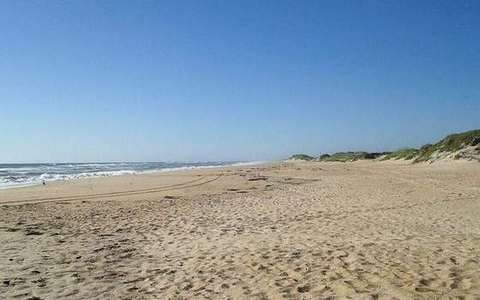 Barrier island in the storm-surge lab — a TERMS crop, not the glossary plate and not the lab cover. A sandy shield. Source: Wikimedia Commons / NASA / USGS / public domain.Wikimedia Commons / NASA / USGS / public domain