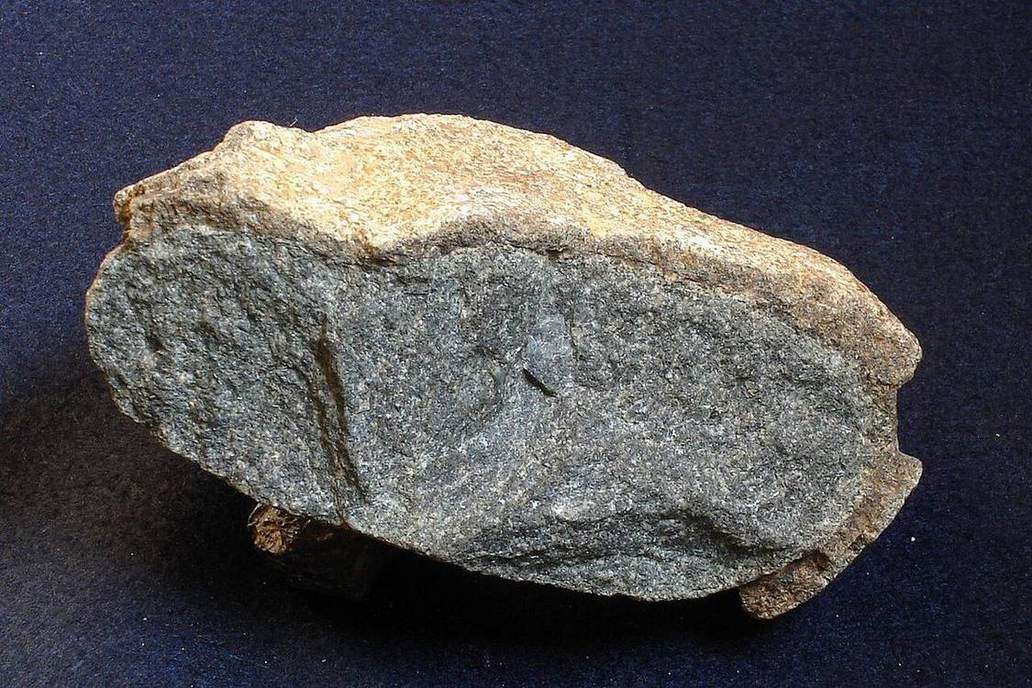
 Rock to sediment in place.Wikimedia Commons, CC BY
Why this matters
Weathering is rock breakdown in place. It is not the Met Office forecast and it is not erosion. UK limestone country makes the chemical case: Yorkshire Dales pavements, grykes and swallow holes are carbonation along joints, rainwater plus carbon dioxide as a weak acid. The US pair in this lab is the Grand Canyon stack: joints, unloading, and freeze on the rim open the walls; the river then exports what falls. Jurassic Coast cliffs add salt, spray and lithology changes along the shore. Somerset Levels sit on already-weathered fines. Dust Bowl silt was a weathered particle that wind later moved — weathering first, transport second. GCSE and NGSS both want three agents named without a league table: mechanical, chemical, biological. Climate chooses the mix. Frost-heavy uplands favour ice in cracks. Warm wet carbonate country favours carbonation. Roots and lichens work wherever they can sit. Three blocks, side by side, not a ranking of virtue.
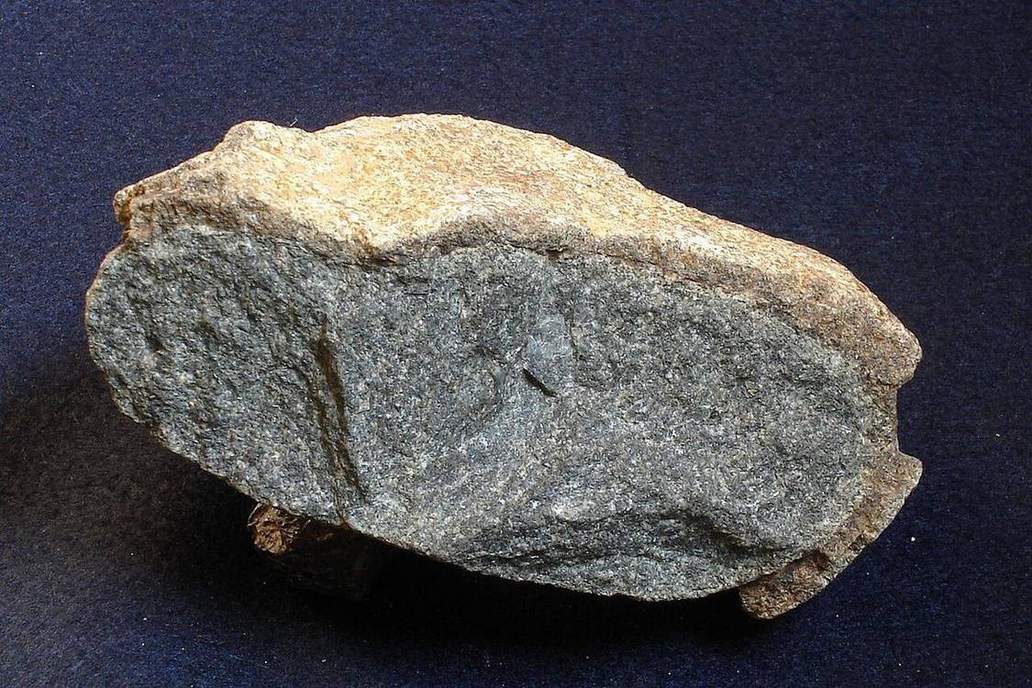 A second photograph for the projector script — not the lab cover.Wikimedia Commons / NASA / USGS
The mechanism
Mechanical weathering breaks rock without changing the minerals. Frost shattering is the school example: water in a joint freezes, expands, and wedges the block. Unloading and thermal stress do similar work on canyon rims and granite sheets. Chemical weathering changes the minerals. Carbonation is the carbonate special: carbonic acid from rain and soil air attacks calcite, widening joints into grykes and feeding caves. Hydrolysis and oxidation work on silicates and iron; they matter, but this lab’s chemical block is the karst cousin you can see. Biological weathering is living agents: roots pry joints, lichens etch, burrowers mix. It is not a separate physics; it is mechanical and chemical work done by organisms. The three overlap. A root in a Dales gryke is biological and mechanical on a chemically opened crack. Weathering produces sediment and soil parent material; erosion carries it. Mix those verbs and the Grand Canyon becomes a riddle: the walls weather and fail, the river removes. Climate sets rates, not moral rank. Cold wet, warm wet, and rooted surfaces write different mixes of the same three blocks on any one hillside.
How to drive the model
Play. Three blocks advance together. Left: frost wedges a granite cube as ice thickens in the crack. Middle: carbonation pits a carbonate face — the karst cousin. Right: a root thickens in a joint. Orbit so each agent is named. They are not a ranking. Pause and ask which block would dominate in the Dales (chemical on limestone) and which on a freezing canyon rim (mechanical). Do not skip the labels Physical, Chemical, Biological. The readout says three mechanisms side by side. That is the lesson. Then sit down.
If the model will not spin
Without the canvas the three agents still stand. Mechanical: frost shattering, water freezes and expands in a crack. Chemical: carbonation, weak carbonic acid on carbonate rock — Yorkshire Dales karst. Biological: roots, lichens, burrowers. Weathering is rock breakdown, not the weather forecast. Weathering breaks in place; erosion moves the bits. Climate chooses the mix; there is no league table. Grand Canyon joints and Dales grykes are the locators. Name break versus transport before you leave the page. Play is optional; the three agents are not.
Film
What is Weathering? Crash Course Geography #21. Crash Course Geography. About 11 min. Crash Course / Complexly on YouTube. Standard YouTube licence. Educational embed, autoplay off. Autoplay off.
Misconceptions
Weathering is weather.
Weathering is rock breakdown. Weather is the atmosphere’s mood.
Weathering and erosion are the same word.
Weathering breaks in place. Erosion moves the bits.
Chemical weathering is ‘stronger’ than mechanical.
Climate chooses the mix. Not a ranking of virtue.
Mechanical weathering
Break without composition change. Frost, unloading, thermal stress.
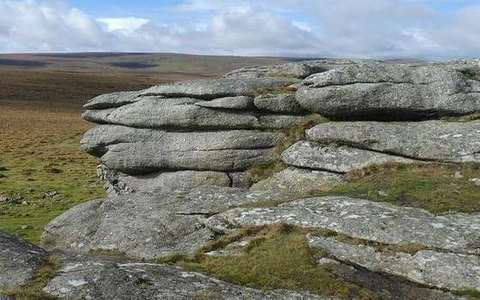 mechanical weathering in the weathering lab — a TERMS crop, not the glossary plate and not the lab cover. A TERMS crop, not the glossary plate and not the lab cover. Source: Wikimedia Commons / NASA / USGS / NOAA, public domain or CC.Wikimedia Commons / NASA / USGS / NOAA, public domain or CC
Chemical weathering
Change the minerals. Carbonation, hydrolysis, oxidation.
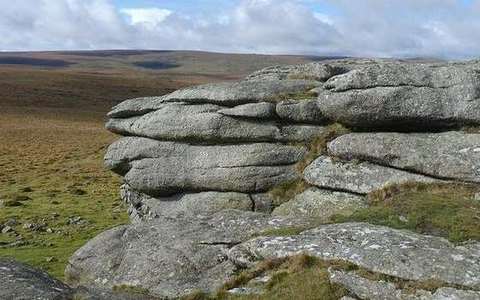 chemical weathering in the weathering lab — a TERMS crop, not the glossary plate and not the lab cover. A TERMS crop, not the glossary plate and not the lab cover. Source: Wikimedia Commons / NASA / USGS / NOAA, public domain or CC.Wikimedia Commons / NASA / USGS / NOAA, public domain or CC
Biological weathering
Living agents: roots, lichens, burrowers. Mechanical and chemical work by organisms.
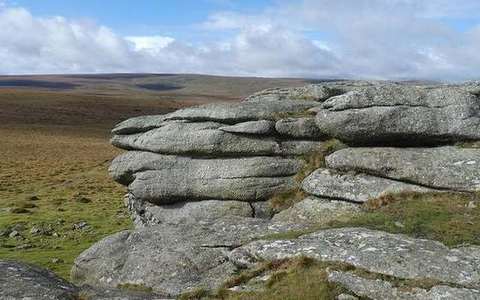 biological weathering in the weathering lab — a TERMS crop, not the glossary plate and not the lab cover. A TERMS crop, not the glossary plate and not the lab cover. Source: Wikimedia Commons / NASA / USGS / NOAA, public domain or CC.Wikimedia Commons / NASA / USGS / NOAA, public domain or CC
Frost shattering
Water in a joint freezes, expands, and wedges the rock.
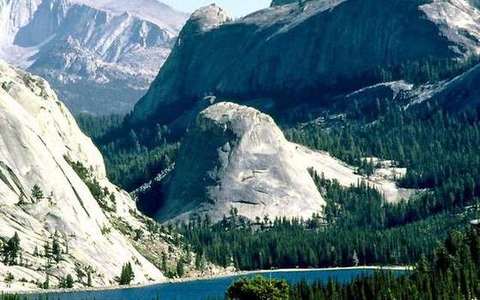 frost shattering in the weathering lab — a TERMS crop, not the glossary plate and not the lab cover. A TERMS crop, not the glossary plate and not the lab cover. Source: Wikimedia Commons / NASA / USGS / NOAA, public domain or CC.Wikimedia Commons / NASA / USGS / NOAA, public domain or CC
Carbonation
Weak carbonic acid attacking carbonate rock. Karst’s chemistry.
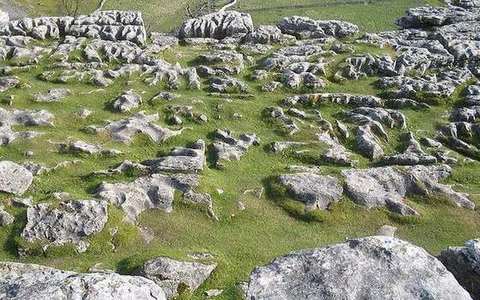 Carbonation in the weathering lab — a TERMS crop, not the glossary plate and not the lab cover. Weak carbonic acid attacking carbonate rock. Source: Wikimedia Commons / NASA / USGS / public domain.Wikimedia Commons / NASA / USGS / public domain
Weathering
Rock breakdown in place. Not the atmosphere’s mood.
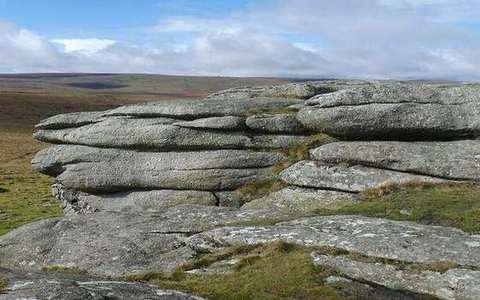 Weathering in the weathering lab — a TERMS crop, not the glossary plate and not the lab cover. Rock breakdown in place. Source: Wikimedia Commons / NASA / USGS / public domain.Wikimedia Commons / NASA / USGS / public domain
Erosion
Movement of weathered material by water, wind, ice or gravity.
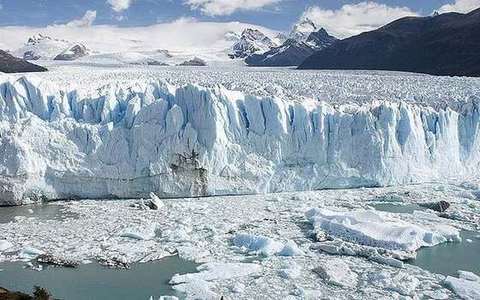 erosion in the weathering lab — a TERMS crop, not the glossary plate and not the lab cover. A TERMS crop, not the glossary plate and not the lab cover. Source: Wikimedia Commons / NASA / USGS / NOAA, public domain or CC.Wikimedia Commons / NASA / USGS / NOAA, public domain or CC