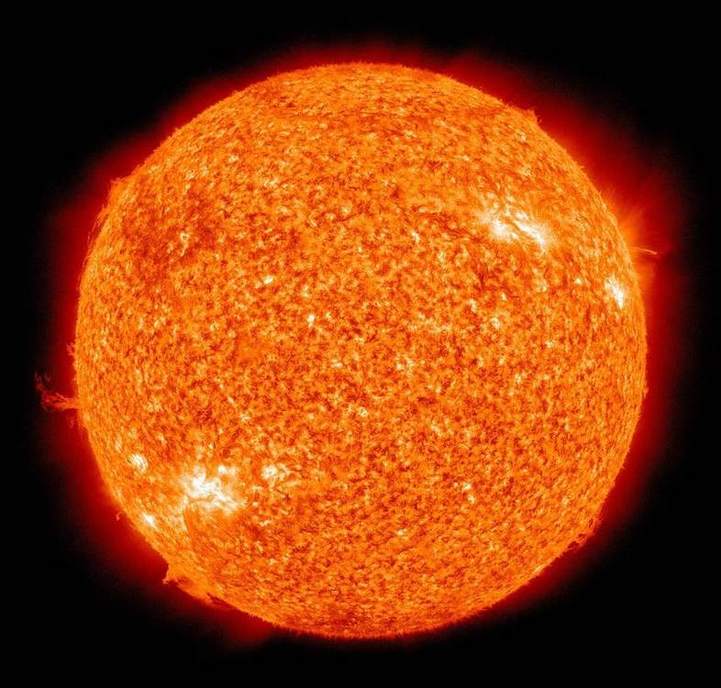
 Distance is almost constant; tilt is not.NASA SDO, public domain
Why this matters
A playground in London and one in Nairobi disagree at noon. Same star. Same solar constant at the top of the atmosphere. Different incidence. Miami in December still takes a high beam; Leeds does not. That is this lab plus tilt, not a farther Sun in kilometres that matter. UK glasshouses plot hours above a useful angle. Florida growers plot the same number with a different latitude. Snowdonia fieldwork in June is long light on a steep slope. Holderness in December is a low, weak punch on wet till. The skill is to separate the constant from the geometry. If you mix them, you will blame sunspots for winter, or blame distance for the poles. Neither is the story. The beam is the story. The bars by latitude are the story. Seasons are a tilt lab. This one is the punch the tilt then aims.
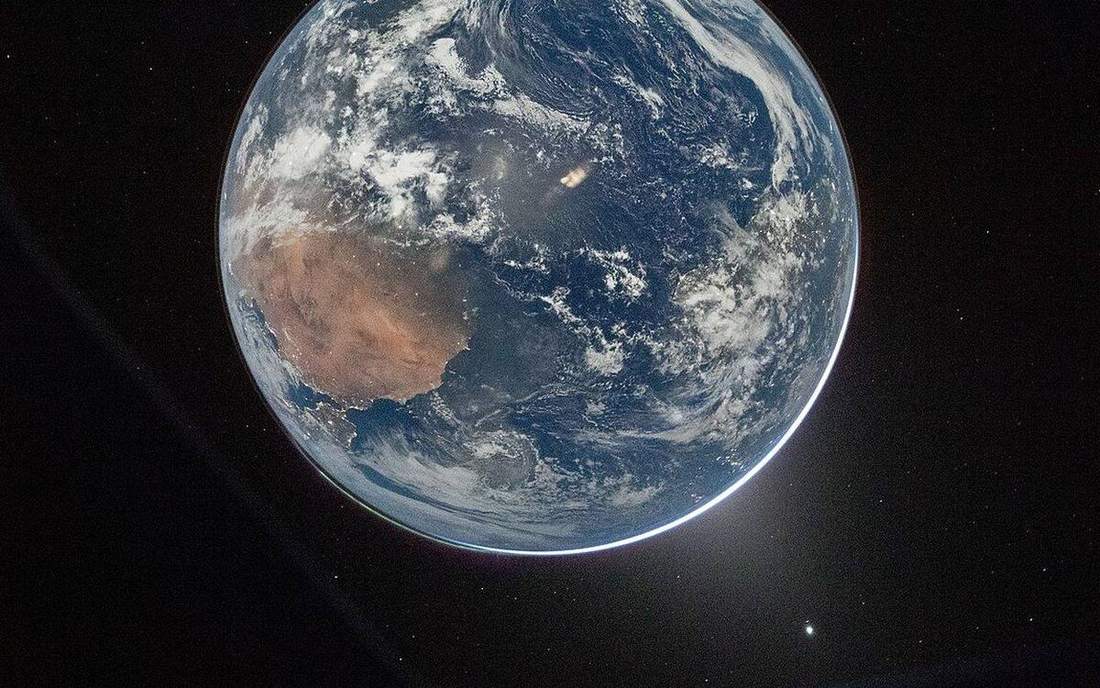 Field photograph or official scientific figure for teaching sun earth. A second photograph for the projector script — not the lab cover. Source: Wikimedia Commons / NASA / USGS / NOAA, public domain or CC.Wikimedia Commons / NASA / USGS / NOAA, public domain or CC
The mechanism
Input is the solar beam. The school figure is about 1366 W m⁻² at 1 AU, top of atmosphere. That number does not change with latitude. What changes is incidence: how oblique the beam is when it meets a patch of ground. Equator bars stand tall. Polar bars sit low, and in winter they vanish. What moves: the globe’s face, the height of the bars, the season’s aiming if you let time walk. What does not: the solar constant as a top-of-atmosphere number, the fact of a beam, the order of the latitudes. What is conserved: energy in the beam before atmosphere and angle take a cut. Surface flux is less. Always. Sunspots are cooler, magnetically active patches on the photosphere. Toggle them. They do not run the seasons. They do not dim a London playground in any way this lab will let you claim. The lie the model tells: the Sun is a nearby ball, Earth is huge beside it, bars are lollipops stuck on a globe. The constant is true-ish. The geometry of incidence is the lesson. Astrology is not invited. Distance to the poles is not the mechanism.
How to drive the model
There is no year slider in the bar. Space still turns the globe. Arrows nudge it. Toggle Sunspots on, then off, so the class hears they are not the season. L labels. R reset. P projector. No explode, no slice. Point at the bars: equator, 55°N playground, pole. Pause. Ask which bar is London in December before you name it. The beam is the plot. The toggle is a warning label. Leave spots off when you want the bars to stay the story.
If the model will not spin
If the globe will not spin, keep the sentences. Solar constant: about 1366 W m⁻² at the top of the atmosphere, a school figure. Surface gets less. Poles are cold mainly because the beam is oblique, not because the Sun is farther in kilometres that matter. A London playground and a Nairobi playground disagree by latitude. Sunspots are magnetic blemishes, not winter. Seasons are tilt. This lab is the beam. That is enough for Check on paper, and enough to kill a sunspot scare story in one line.
Film
How Does the Earth Move? Crash Course Geography #5. Crash Course Geography. About 11 min. Crash Course / Complexly on YouTube. Standard YouTube licence. Educational embed, autoplay off. Autoplay off.
Misconceptions
Sunspots cause seasons.
Tilt causes seasons. Sunspots are a small, separate story.
The poles are cold because they are farther from the Sun in kilometres that matter.
The extra distance is tiny next to 1 AU. The beam is oblique. That is the cut.
The solar constant is what hits a London playground.
The constant is top of atmosphere. Surface flux is less: air and angle both take a share.
Solar constant
Solar flux at 1 AU, top of atmosphere. School figure ~1366 W m⁻². Not the flux on a playground.
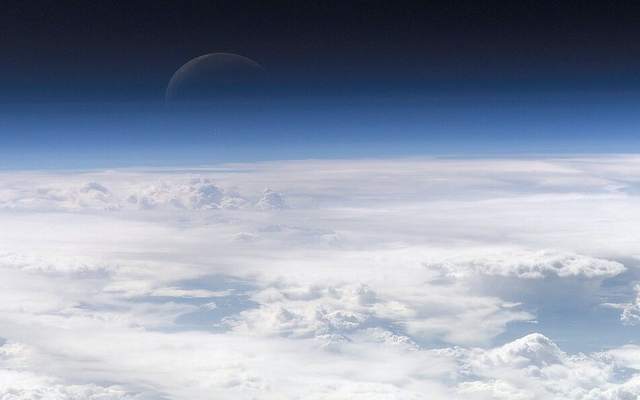 solar constant in the sun-earth lab — a TERMS crop, not the glossary plate and not the lab cover. A TERMS crop, not the glossary plate and not the lab cover. Source: Wikimedia Commons / NASA / USGS / NOAA, public domain or CC.Wikimedia Commons / NASA / USGS / NOAA, public domain or CC
Insolation
Incoming solar radiation at a surface. Incidence and atmosphere both cut it.
 Insolation in the sun-earth lab — a TERMS crop, not the glossary plate and not the lab cover. Incoming solar radiation at a surface. Source: Wikimedia Commons / NASA / USGS / public domain.Wikimedia Commons / NASA / USGS / public domain
Incidence
How steeply the beam meets the ground. Oblique at high latitude. Overhead only between the tropics, and not every day.
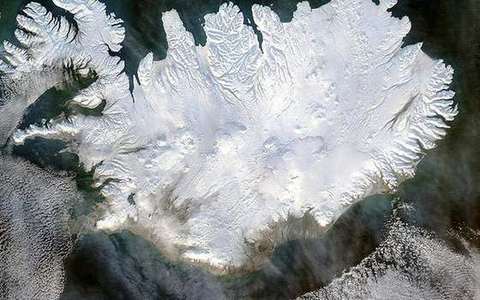 incidence in the sun-earth lab — a TERMS crop, not the glossary plate and not the lab cover. A TERMS crop, not the glossary plate and not the lab cover. Source: Wikimedia Commons / NASA / USGS / NOAA, public domain or CC.Wikimedia Commons / NASA / USGS / NOAA, public domain or CC
Sunspot
A cooler, magnetically active patch on the photosphere. A school toggle. Not the cause of seasons.
 sunspot in the sun-earth lab — a TERMS crop, not the glossary plate and not the lab cover. A TERMS crop, not the glossary plate and not the lab cover. Source: Wikimedia Commons / NASA / USGS / NOAA, public domain or CC.Wikimedia Commons / NASA / USGS / NOAA, public domain or CC
Top of atmosphere
Where the solar constant is defined. Below that, air and angle take a cut.
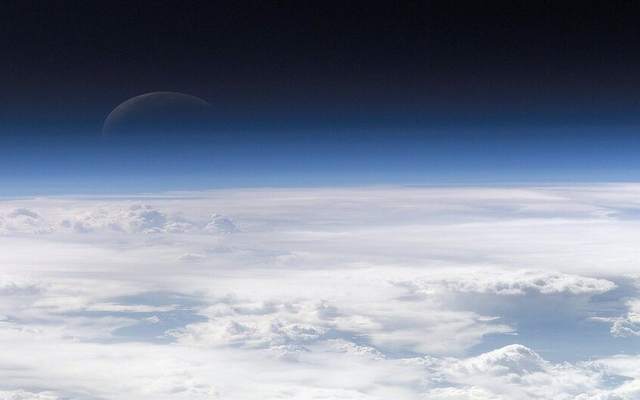 top of atmosphere in the sun-earth lab — a TERMS crop, not the glossary plate and not the lab cover. A TERMS crop, not the glossary plate and not the lab cover. Source: Wikimedia Commons / NASA / USGS / NOAA, public domain or CC.Wikimedia Commons / NASA / USGS / NOAA, public domain or CC
Latitude
Angle from the equator. It sets how oblique the noon beam is, before tilt aims the season.
 latitude in the sun-earth lab — a TERMS crop, not the glossary plate and not the lab cover. A TERMS crop, not the glossary plate and not the lab cover. Source: Wikimedia Commons / NASA / USGS / NOAA, public domain or CC.Wikimedia Commons / NASA / USGS / NOAA, public domain or CC
Photosphere
The Sun’s visible surface. Spots live here. It is not a hole, and it is not weather.
 photosphere in the sun-earth lab — a TERMS crop, not the glossary plate and not the lab cover. A TERMS crop, not the glossary plate and not the lab cover. Source: Wikimedia Commons / NASA / USGS / NOAA, public domain or CC.Wikimedia Commons / NASA / USGS / NOAA, public domain or CC