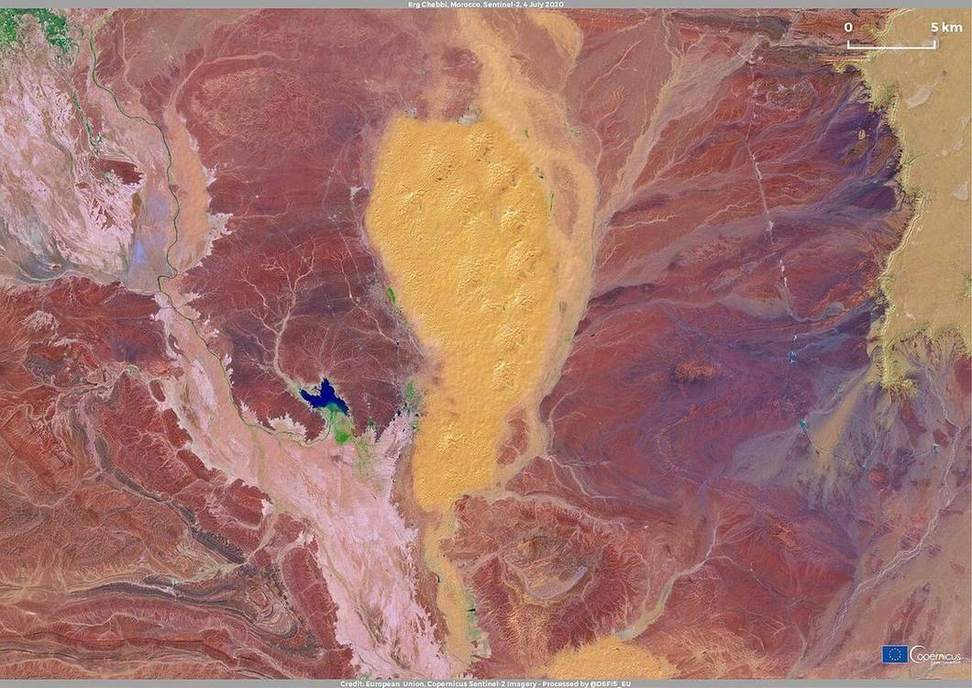
 Sand, a scarce supply, a steady wind.Wikimedia Commons, CC BY
Why this matters
Yardangs are carved. Barchans are built. Wind is a sculptor where vegetation is thin. The Dust Bowl is the process without needing a Chinese exam map as the hero: 1930s Great Plains, a plough, a drought, a wind that took the A horizon off the prairie. Deflation and transport of farmed silt, not a textbook dune sea. Grand Canyon country is dryland weathering and wind on rock and pavement as much as sand. UK blown sand on some coasts and bare peat in a dry spring are the small cousins. GCSE is light here; A-level and NGSS MS-ESS2-2 still need carved versus built, and the honesty that many deserts are rock. Dunes need a sand supply. Land use plus drought plus wind is the Dust Bowl sentence, not a morality play.
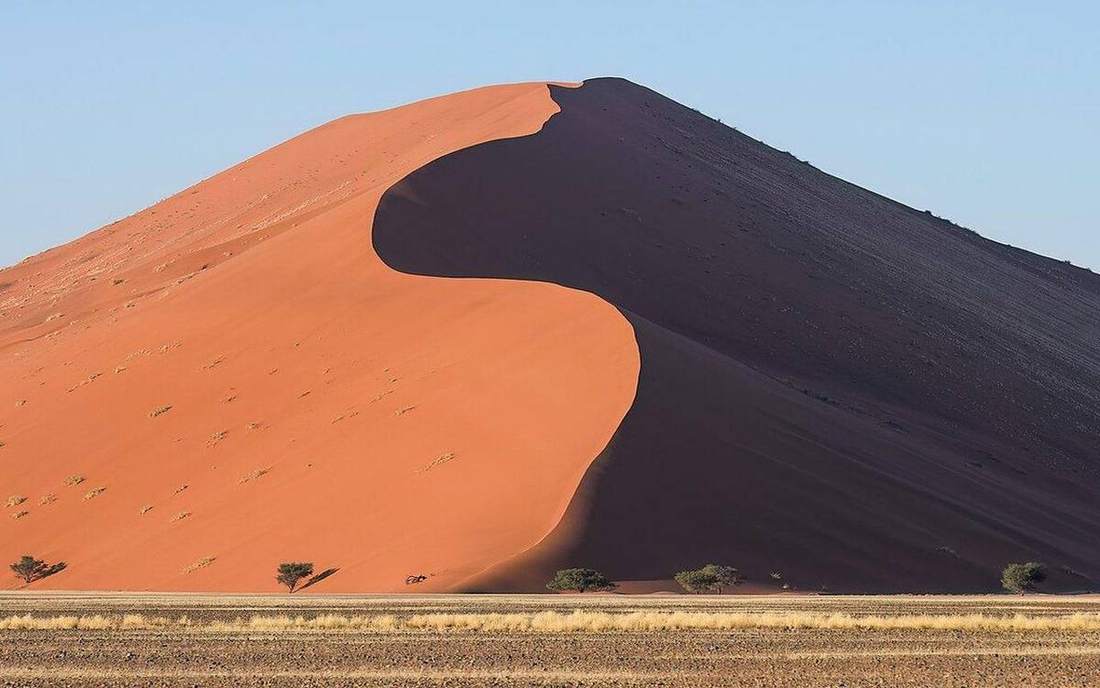 Field photograph or official scientific figure for teaching aeolian. A second photograph for the projector script — not the lab cover. Source: Wikimedia Commons / NASA / USGS / NOAA, public domain or CC.Wikimedia Commons / NASA / USGS / NOAA, public domain or CC
The mechanism
A yardang is a streamlined wind-eroded ridge, wind-parallel — carved. A barchan is a crescent dune, horns pointing downwind — built. Play the lab and sand walks along the horns; the crescent migrates downwind. Aeolian work needs loose sediment and enough wind, often sparse vegetation. All deserts are not dune seas. Many are rock and pavement. Dunes need a sand supply. Dust Bowl was land use plus drought plus wind, deflation of an A horizon, not a barchan field as the default landform. Yardangs and barchans are the world-example kit. Vertical exaggeration is labelled ×8 so the carved ridges and the built crescents read from the back of the room. True dune relief on a table would be a film of sand. The dunes are a schematic pair, not a traced erg. Horns point downwind, not upwind, not always north. Carved versus built. Say the pair. A nabkha is sand trapped at a plant; that is vegetation as roughness, the opposite of a bare Dust Bowl field. Wind direction is the arrow in this lab. Saltation hops grains; suspension takes dust. The 1930s black blizzards were suspension of farmed silt, not a yardang lesson first.
How to drive the model
Orbit the yardang. It is a wind-carved ridge, streamlined, wind-parallel. Then the barchan: a crescent, horns downwind. Carved versus built. Say the pair out loud. Play sand along the horns and watch the crescent migrate. Keyboard: space, arrows, L labels, R reset. Vertical exaggeration is ×8 and labelled. This is not the homepage special effect. Keep it as a process. Finish in Check. All deserts are not dune seas. Dust Bowl was land use plus drought plus wind, not a dune-sea poster.
If the model will not spin
Without the 3D view: yardangs are carved, barchans are built, horns point downwind. Aeolian work needs loose sediment, wind, and often thin vegetation. Many deserts are rock and pavement; dunes need a sand supply. Dust Bowl was land use plus drought plus wind, not a dune-sea poster. Vertical exaggeration is ×8 and labelled. This is a process, not a homepage special effect. Grand Canyon dryland is rock and pavement as much as sand. Horns are not a compass. Carved versus built. Say the pair. Vegetation is roughness.
Film
How Does the Earth Create Different Landforms? Crash Course Geography #19. Crash Course Geography. About 13 min. Crash Course / Complexly on YouTube. Standard YouTube licence. Educational embed, autoplay off. Autoplay off.
Misconceptions
All deserts are dune seas.
Many are rock and pavement. Dunes need a sand supply.
A barchan’s horns point upwind.
Horns point downwind. The crescent migrates that way.
The Dust Bowl was a textbook barchan field.
It was land use plus drought plus wind: deflation of a farmed A horizon, not an erg as the default landform.
Yardang
Streamlined wind-eroded ridge, wind-parallel. Carved.
 yardang in the aeolian lab — a TERMS crop, not the glossary plate and not the lab cover. A TERMS crop, not the glossary plate and not the lab cover. Source: Wikimedia Commons / NASA / USGS / NOAA, public domain or CC.Wikimedia Commons / NASA / USGS / NOAA, public domain or CC
Barchan
Crescent dune, horns downwind. Built.
 Barchan in the aeolian lab — a TERMS crop, not the glossary plate and not the lab cover. Crescent dune, horns downwind. Source: Wikimedia Commons / NASA / USGS / public domain.Wikimedia Commons / NASA / USGS / public domain
Deflation
Wind lifting and removing loose particles from a surface.
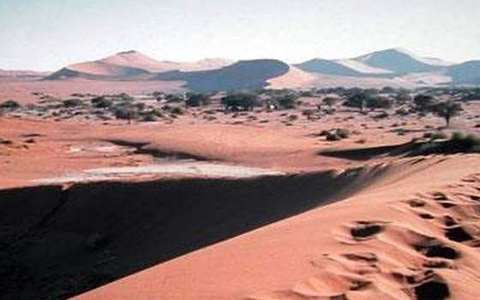 deflation in the aeolian lab — a TERMS crop, not the glossary plate and not the lab cover. A TERMS crop, not the glossary plate and not the lab cover. Source: Wikimedia Commons / NASA / USGS / NOAA, public domain or CC.Wikimedia Commons / NASA / USGS / NOAA, public domain or CC
Saltation
Grains hopping in the near-surface wind.
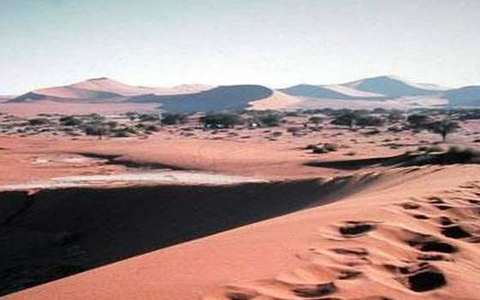 saltation in the aeolian lab — a TERMS crop, not the glossary plate and not the lab cover. A TERMS crop, not the glossary plate and not the lab cover. Source: Wikimedia Commons / NASA / USGS / NOAA, public domain or CC.Wikimedia Commons / NASA / USGS / NOAA, public domain or CC
Suspension
Fine dust carried high. Dust Bowl black blizzards.
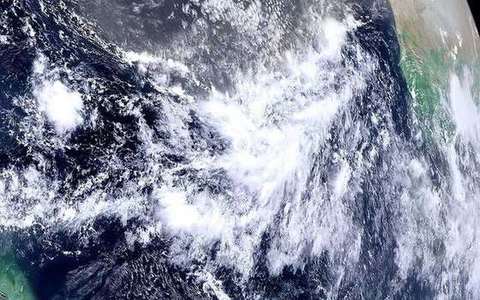 suspension in the aeolian lab — a TERMS crop, not the glossary plate and not the lab cover. A TERMS crop, not the glossary plate and not the lab cover. Source: Wikimedia Commons / NASA / USGS / NOAA, public domain or CC.Wikimedia Commons / NASA / USGS / NOAA, public domain or CC
Nabkha
Sand trapped at a plant. Vegetation as roughness.
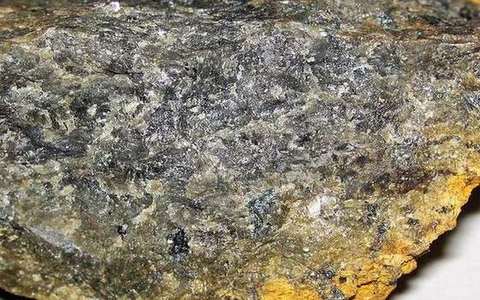 nabkha in the aeolian lab — a TERMS crop, not the glossary plate and not the lab cover. A TERMS crop, not the glossary plate and not the lab cover. Source: Wikimedia Commons / NASA / USGS / NOAA, public domain or CC.Wikimedia Commons / NASA / USGS / NOAA, public domain or CC
Erg
A sand sea. Needs a sand supply. Not every desert.
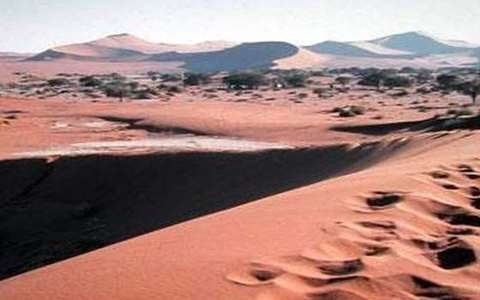 erg in the aeolian lab — a TERMS crop, not the glossary plate and not the lab cover. A TERMS crop, not the glossary plate and not the lab cover. Source: Wikimedia Commons / NASA / USGS / NOAA, public domain or CC.Wikimedia Commons / NASA / USGS / NOAA, public domain or CC