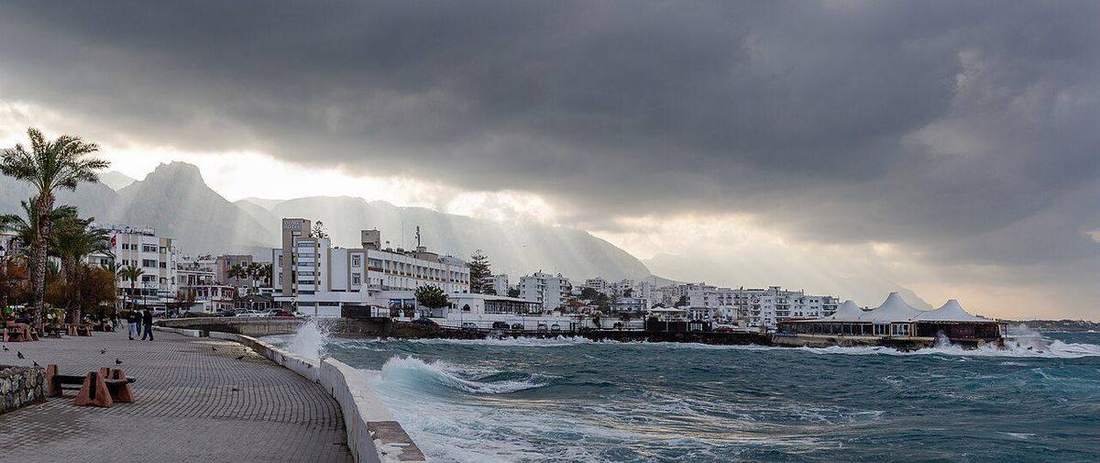
 A sediment budget with waves.Wikimedia Commons, CC BY-SA
Why this matters
Holderness till cliffs lose metres a year into the North Sea; Mappleton’s groynes trap sand up-drift and can starve down-drift. Spurn Head is the spit at the turn into the Humber. The Outer Banks of North Carolina are sand in a barrier-island chain, not a till cliff, with longshore drift, storm inlets, and Cape Hatteras as a famous turn. Same budget idea: supply, transport, deposition, interruption. The Jurassic Coast writes cave–arch–stack–stump in Lias and chalk — Durdle Door, Old Harry — a harder lithology, a slower headland life. GCSE AQA 3.1.3.2 and NGSS MS-ESS2-2 both need wave type, longshore drift, and a headland sequence, plus the honesty that a sea wall does not fix the whole coast. It moves the problem along the budget.
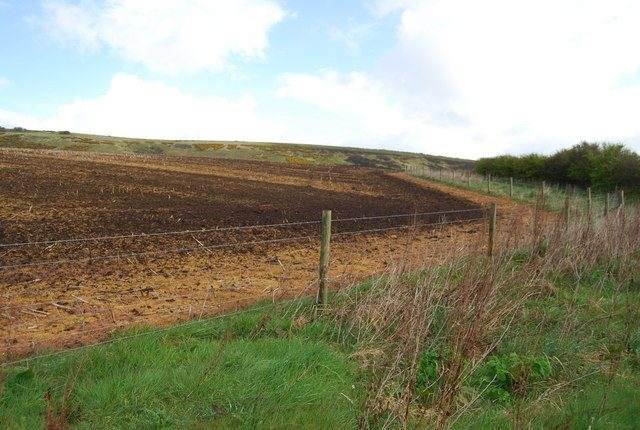 A second photograph for the projector script — not the lab cover.Wikimedia Commons / NASA / USGS
The mechanism
Constructive waves: strong swash, a berm can build. Destructive waves: backwash wins, the cliff is cut. Longshore drift is the conveyor: angled swash, backwash down the steepest slope, sediment walking alongshore. A spit grows where the coast turns and the drift has somewhere to dump. Cave, arch, stack, stump is the headland’s life: joints exploited, roof fails, pillar stands, stump sits in the surf. Hydraulic action, abrasion, attrition, plus weathering from above. Holderness is glacial till — boulder clay, not lithified rock — so the sequence is fast enough to see in a school lifetime. Jurassic Coast headlands are harder rock; the sequence is the same, slower. Outer Banks: barrier sand, overwash, inlets; not a cliff, still a budget. Vertical exaggeration is labelled ×6 so cliff, berm, and headland stages read from the back of the room. Sand grains are not a grain-size model; the 3D scene is one chalk mass cut as cave, arch, stack and stump, with a water volume and a spit at the turn. Groynes and sea walls interrupt the conveyor; they do not cancel it. One landform, one process, no budget is the pitfall. Mappleton is the bargain: protection here, starvation there. Spurn is the depositional end-member, not immortal. A barrier island is not a permanent wall; storms punch inlets and the island can roll toward the mainland.
How to drive the model
Toggle Constructive waves on. Strong swash builds a berm. Toggle off: destructive, backwash wins, the till cliff is cut. Leave Longshore particles on; sediment walks alongshore in the direction of the angled swash. Freeze on the spit where the coast turns. Scrub Headland stage: cave, arch, stack, stump. Ask where a groyne would starve the spit. Keyboard: L labels, R reset. Vertical exaggeration is ×6 and labelled. Finish in Check. Mappleton groynes trap up-drift and can starve down-drift. Sea walls do not fix the whole coast.
If the model will not spin
Without the 3D view: constructive waves build, destructive waves take, longshore drift is the conveyor, cave–arch–stack–stump is the headland’s life. Holderness till versus Outer Banks sand: same budget, different landform. Jurassic Coast is the harder-rock sequence. Sea walls move the problem along the budget. Vertical exaggeration is ×6 and labelled. Groynes are a bargain, not a cure. Spurn Head is a spit, not a promise. A barrier is not a permanent wall. Supply, transport, deposition, interruption: say the four words.
Film
How Water Shapes the Land: Crash Course Geology #9. Crash Course Geology. About 10 min. Crash Course Geology / Complexly on YouTube. Standard YouTube licence. Educational embed, autoplay off. Autoplay off.
Misconceptions
Sea walls fix the whole coast.
They move the problem along the budget. Protection here, starvation there.
A stack is a spit.
A stack is an isolated pillar after an arch collapses. A spit is a beach that grows where the coast turns.
Holderness and the Outer Banks are the same landform.
Till cliff versus barrier sand. Shared budget: supply, transport, deposition, interruption.
Constructive wave
Strong swash, weaker backwash. Can build a berm.
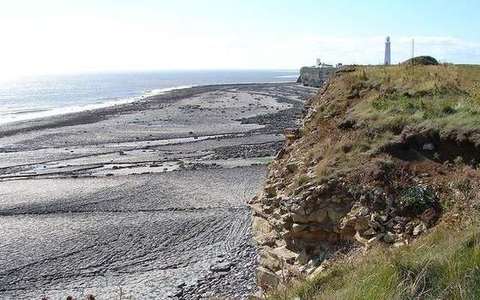 constructive wave in the coasts lab — a TERMS crop, not the glossary plate and not the lab cover. A TERMS crop, not the glossary plate and not the lab cover. Source: Wikimedia Commons / NASA / USGS / NOAA, public domain or CC.Wikimedia Commons / NASA / USGS / NOAA, public domain or CC
Destructive wave
Backwash wins. Cuts the beach and attacks the cliff.
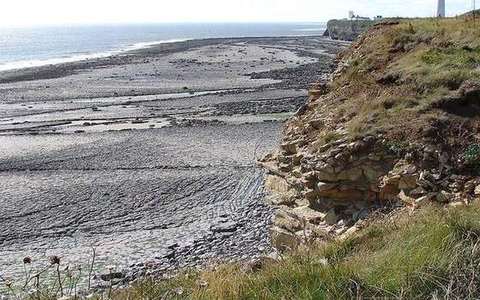 destructive wave in the coasts lab — a TERMS crop, not the glossary plate and not the lab cover. A TERMS crop, not the glossary plate and not the lab cover. Source: Wikimedia Commons / NASA / USGS / NOAA, public domain or CC.Wikimedia Commons / NASA / USGS / NOAA, public domain or CC
Longshore drift
Alongshore transport by angled waves.
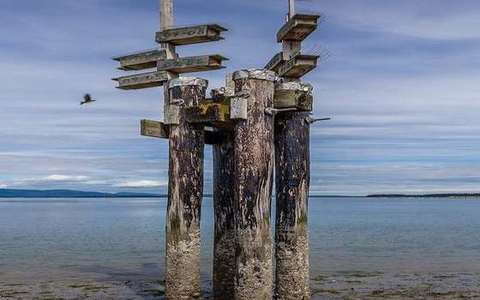 Longshore drift in the coasts lab — a TERMS crop, not the glossary plate and not the lab cover. Alongshore transport by angled waves. Source: Wikimedia Commons / NASA / USGS / public domain.Wikimedia Commons / NASA / USGS / public domain
Spit
Beach that grows out where the coast turns.
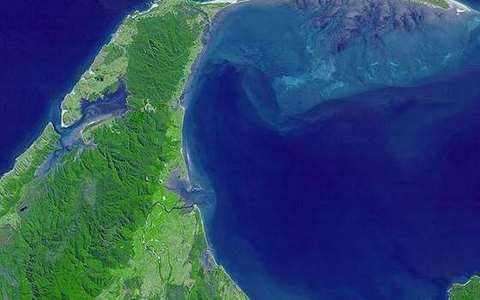 Spit in the coasts lab — a TERMS crop, not the glossary plate and not the lab cover. Beach that grows out where the coast turns. Source: Wikimedia Commons / NASA / USGS / public domain.Wikimedia Commons / NASA / USGS / public domain
Stack
Pillar left after an arch collapses.
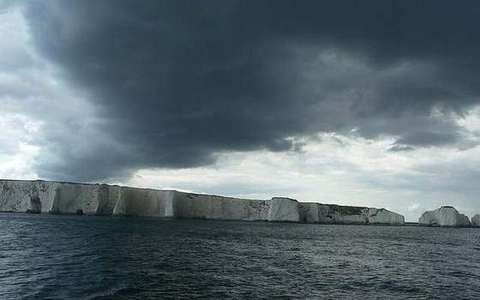 Stack in the coasts lab — a TERMS crop, not the glossary plate and not the lab cover. Pillar left after an arch collapses. Source: Wikimedia Commons / NASA / USGS / public domain.Wikimedia Commons / NASA / USGS / public domain
Stump
What remains in the surf after a stack fails.
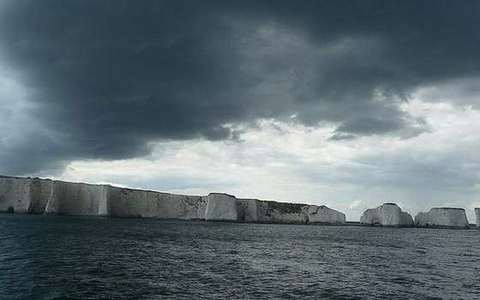 stump in the coasts lab — a TERMS crop, not the glossary plate and not the lab cover. A TERMS crop, not the glossary plate and not the lab cover. Source: Wikimedia Commons / NASA / USGS / NOAA, public domain or CC.Wikimedia Commons / NASA / USGS / NOAA, public domain or CC
Groyne
A barrier across the beach that traps sediment up-drift and can starve down-drift.
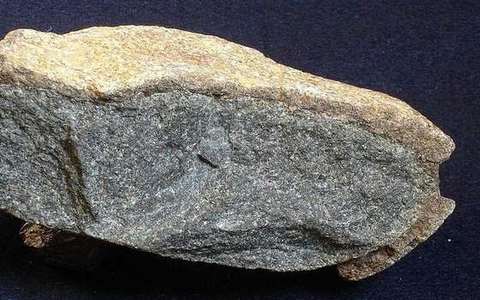 groyne in the coasts lab — a TERMS crop, not the glossary plate and not the lab cover. A TERMS crop, not the glossary plate and not the lab cover. Source: Wikimedia Commons / NASA / USGS / NOAA, public domain or CC.Wikimedia Commons / NASA / USGS / NOAA, public domain or CC
Sediment budget
Supply, transport, deposition, interruption. The whole-coast accounts.
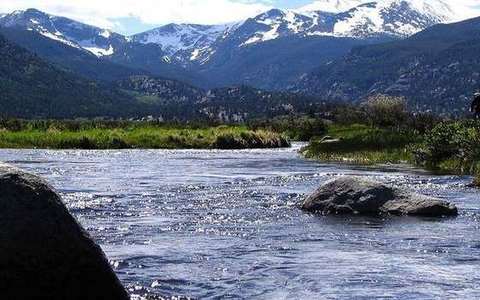 sediment budget in the coasts lab — a TERMS crop, not the glossary plate and not the lab cover. A TERMS crop, not the glossary plate and not the lab cover. Source: Wikimedia Commons / NASA / USGS / NOAA, public domain or CC.Wikimedia Commons / NASA / USGS / NOAA, public domain or CC