Case study · East Asia
Typhoon Mangkhut
Pearl River Delta · Hong Kong · Macau
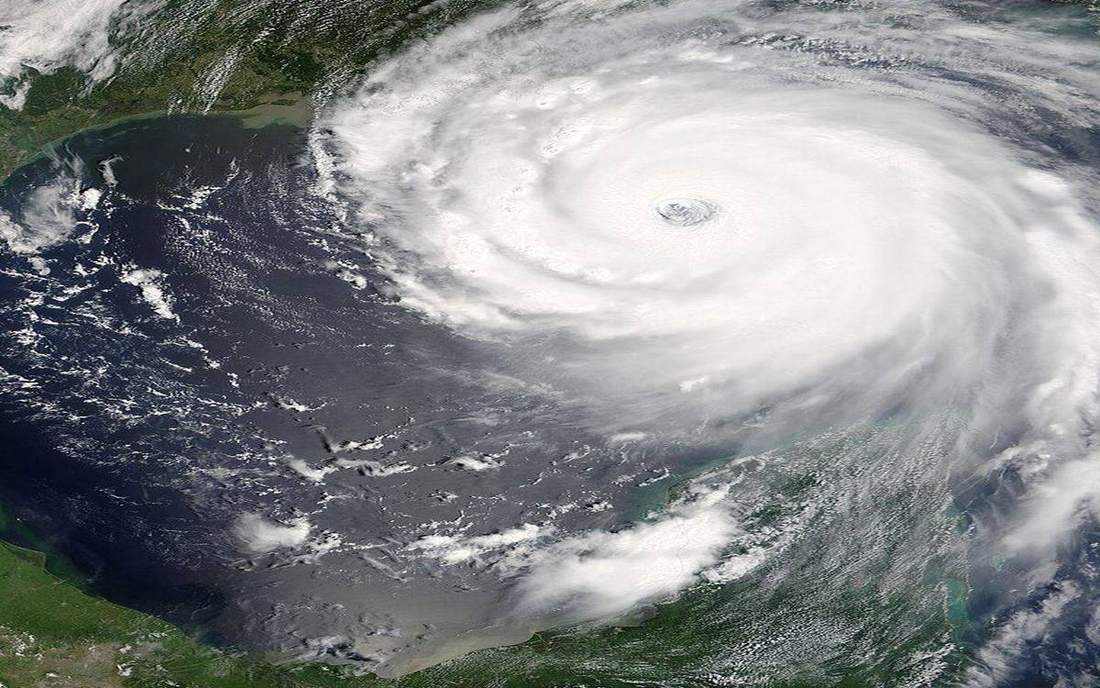
A typhoon is a tropical cyclone. The same warm-core engine as Katrina or Sandy, a western North Pacific name.
Locator · OpenStreetMap / OpenFreeMap · 22.20°, 113.55°
Mangkhut (2018) crossed the northern Philippines and then the Pearl River Delta. Hong Kong and Macau felt a wind field and a surge, not a UK winter front. The engine is a warm core over a warm sea. The name changes by basin: hurricane, typhoon, cyclone — one process.
Compare Katrina and Sandy. Those are Atlantic names for the same class of storm. Outer Banks is a sandy barrier in the same Atlantic budget. The Pearl River Delta is a drowned river and a megacity instead of a barrier island, but the surge physics is the long-wave pile of water the storm-surge lab shows.
Do not show a chalk cliff when you say typhoon. Do not show a hurricane when you say tsunami. The tropical-cyclone lab is this; the tsunami lab is a different wave.
Classroom move: freeze the cyclone lab on the eyewall, pin Hong Kong and New Orleans, and ask which coast is the barrier island and which is the drowned delta before you reveal the map.
Exam-style question
Using the warm-core engine, explain why Mangkhut and Katrina are the same class of storm despite different names.
Teacher hint: Basin names (typhoon / hurricane). Same physics: warm sea, low shear, Coriolis, eyewall, surge.
Process labs
Sources
- HKO — Super Typhoon Mangkhut
- NOAA — hurricane vs typhoon