Path · UK GCSE Geography
GCSE Natural Hazards
AQA 3.1.1 · Edexcel hazards
Plates first, then the sudden Earth: quakes, volcanoes, tsunami, tropical cyclones.
01
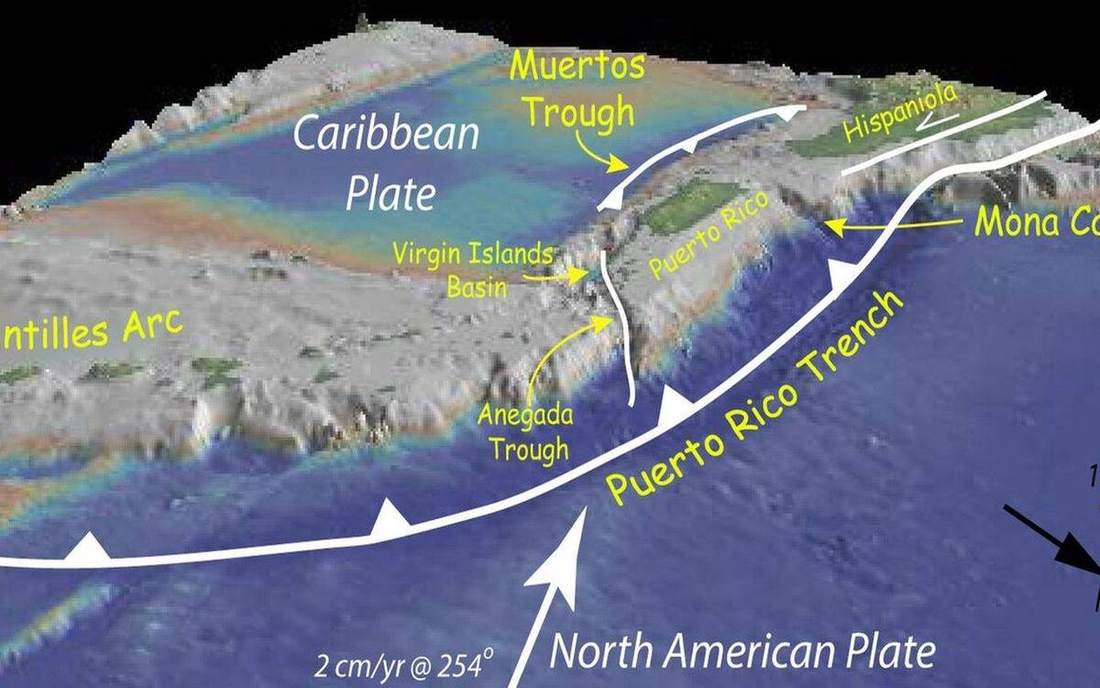 Interior & Plates
Plate boundaries
Holderness loses metres of till each year; the Himalaya gain millimetres of rock. Both are plates doing different jobs at their edges.
KS3GCSEA-level02
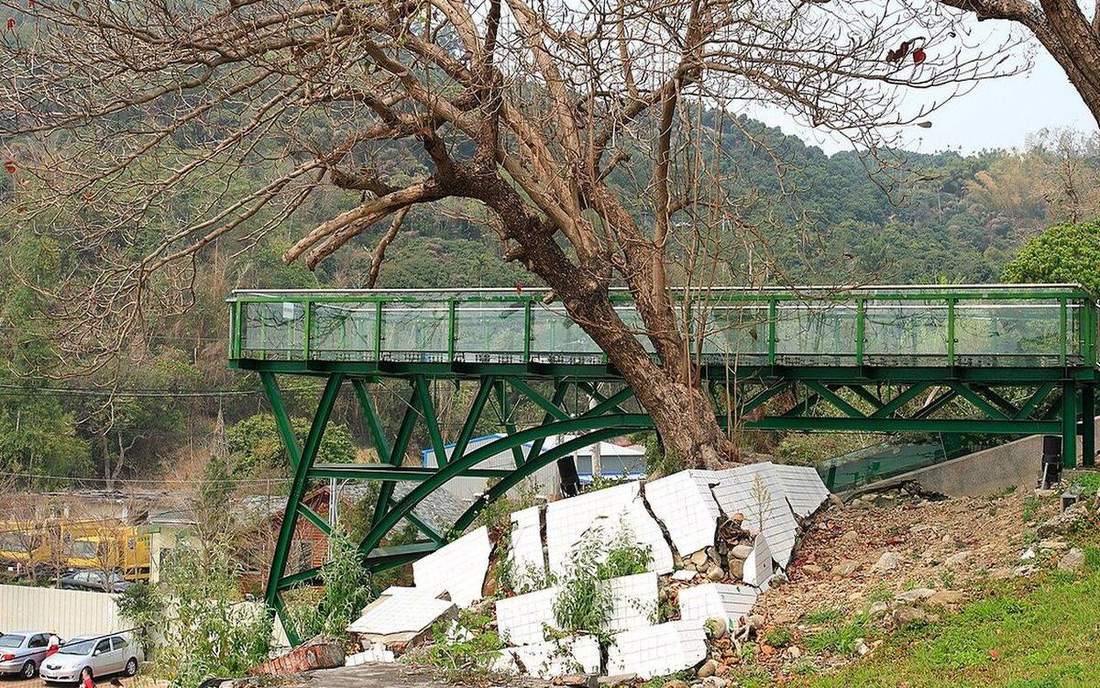 Hazards
Earthquakes
Focus is in the rock. Epicentre is the map dot. P, then S, then the surface wave that does the damage in town.
KS3GCSENGSS MS03
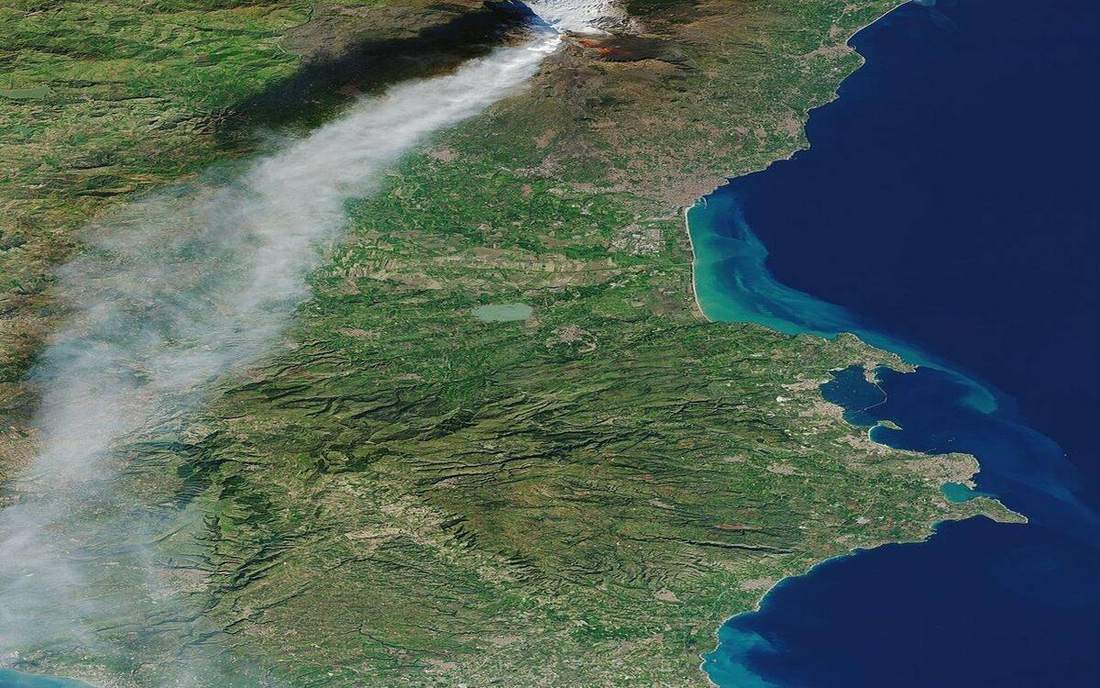 Hazards
Volcanoes
Viscosity is the plot. Shield, strato, rift — three shapes from one slider.
KS3GCSENGSS MS04
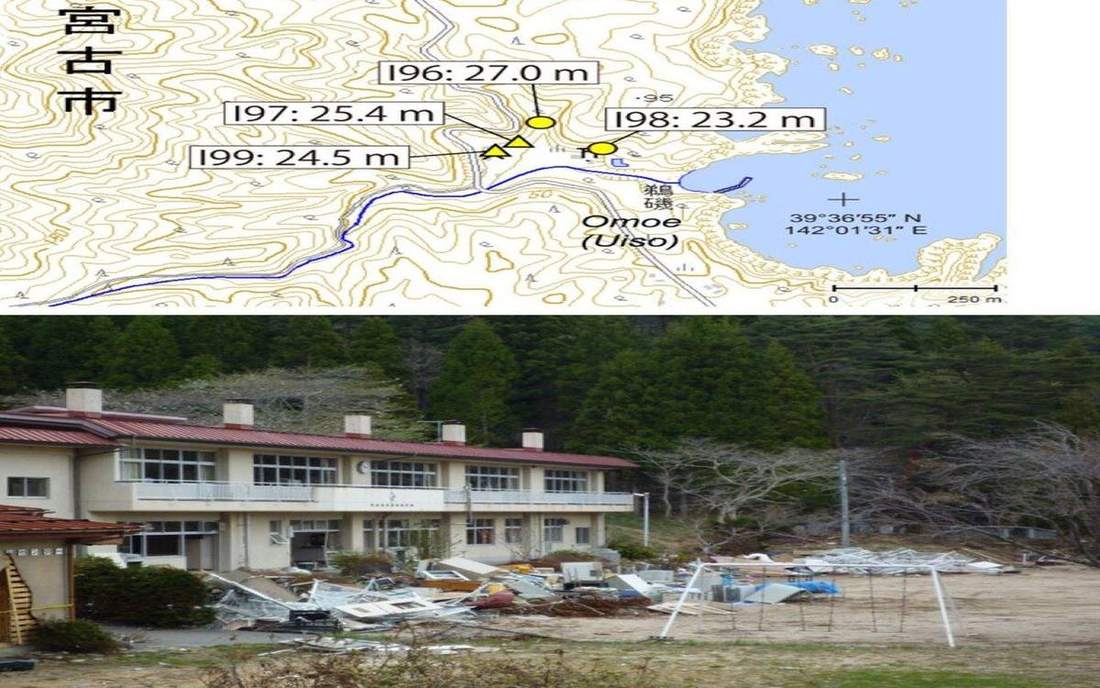 Hazards
Tsunami
Seafloor slip lifts a water column. In deep water the wave is fast and low. At the coast it stands up.
GCSENGSS MSHS Earth Sci05
 Hazards
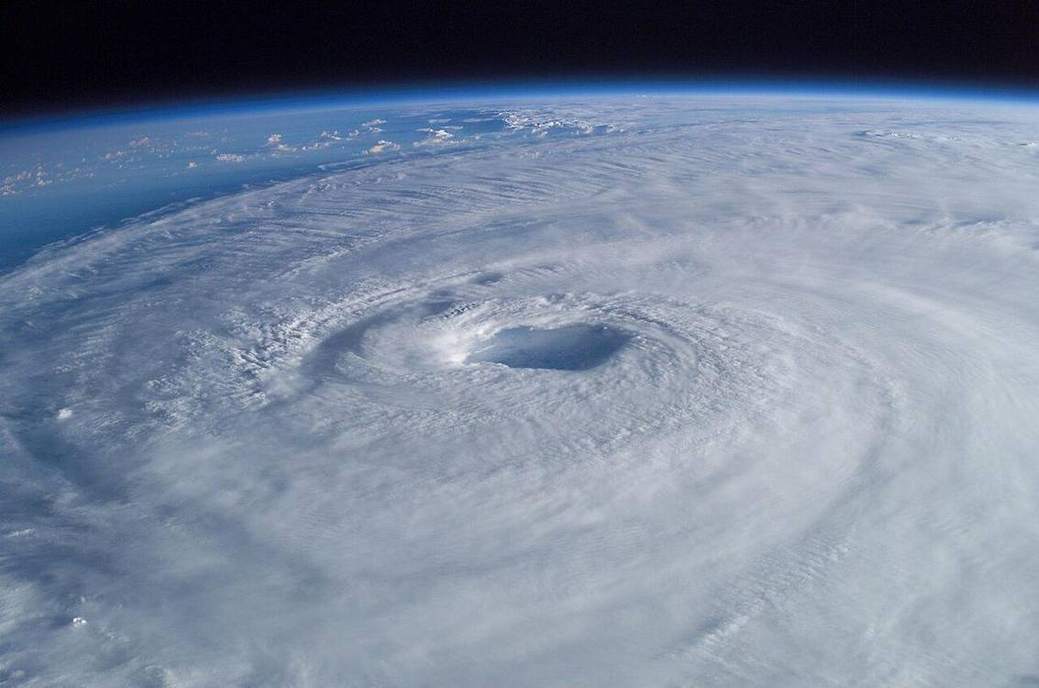
Tropical cyclone
Eye, eyewall, rainbands. Warm sea is the fuel. A UK depression is usually a different machine.
KS3GCSENGSS MS06
 Hazards
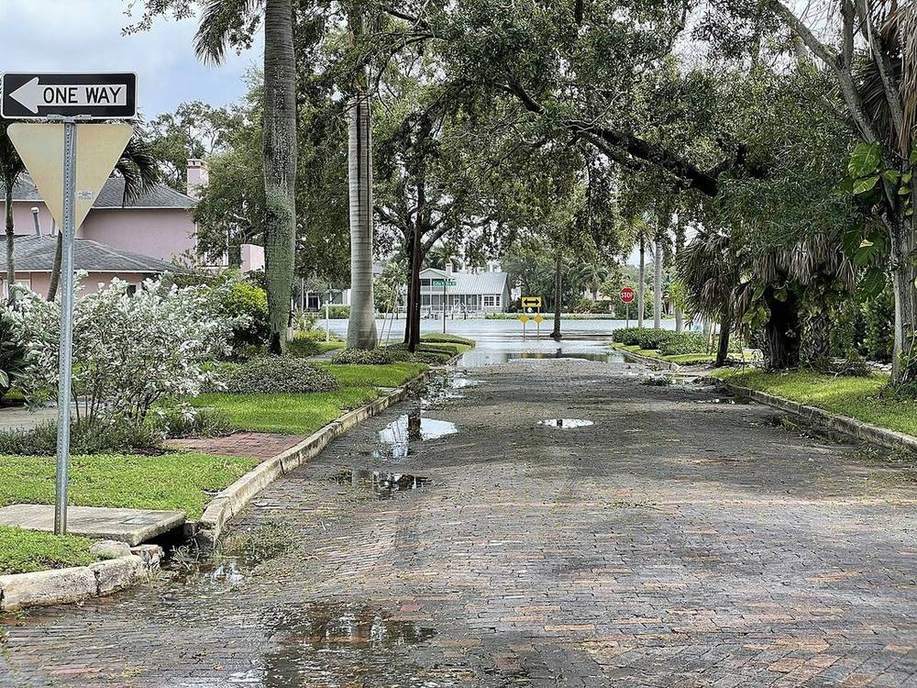
Storm surge
The 1953 North Sea flood was wind piling water onto a shelf. Katrina’s surge was the same machine on the Gulf. It is not a tsunami.
GCSENGSS MSHS Earth Sci